Introduction: The Universal Language of Games
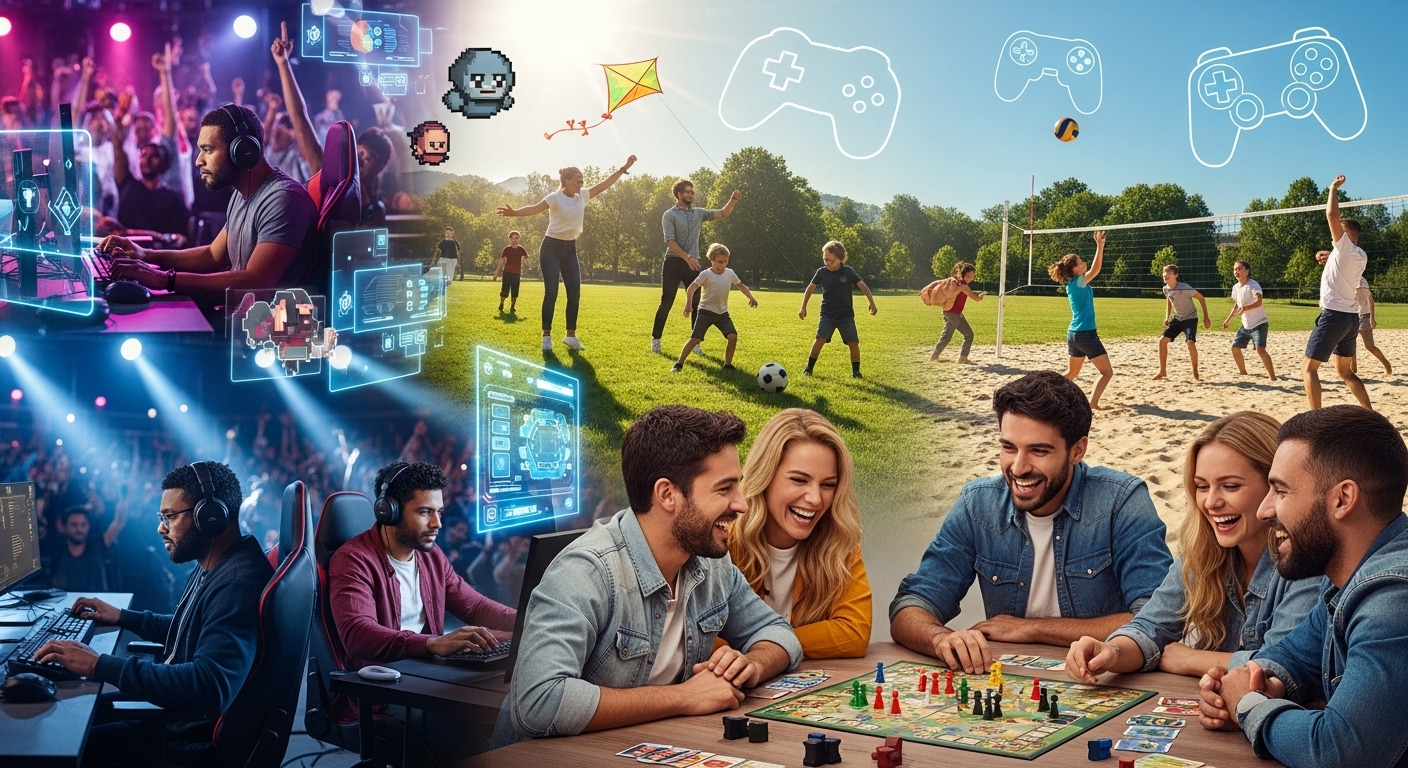
Games are as old as civilization itself. From the ancient boards of Mesopotamia to the immersive digital worlds of the twenty-first century, games have always been an essential part of human life. They entertain, teach, connect, and challenge us. Whether played on fields, tables, or screens, games serve as a reflection of culture, creativity, and the human desire for discovery.
In modern times, the concept of “gaming” has expanded far beyond recreation. Games are now a thriving art form, a competitive industry, and even a tool for education and therapy. As technology advances, games evolve, offering players new dimensions of interaction and imagination. This blog explores the fascinating world of games—their origins, evolution, psychology, and their growing influence on society.
The Origins of Play: How Games Began
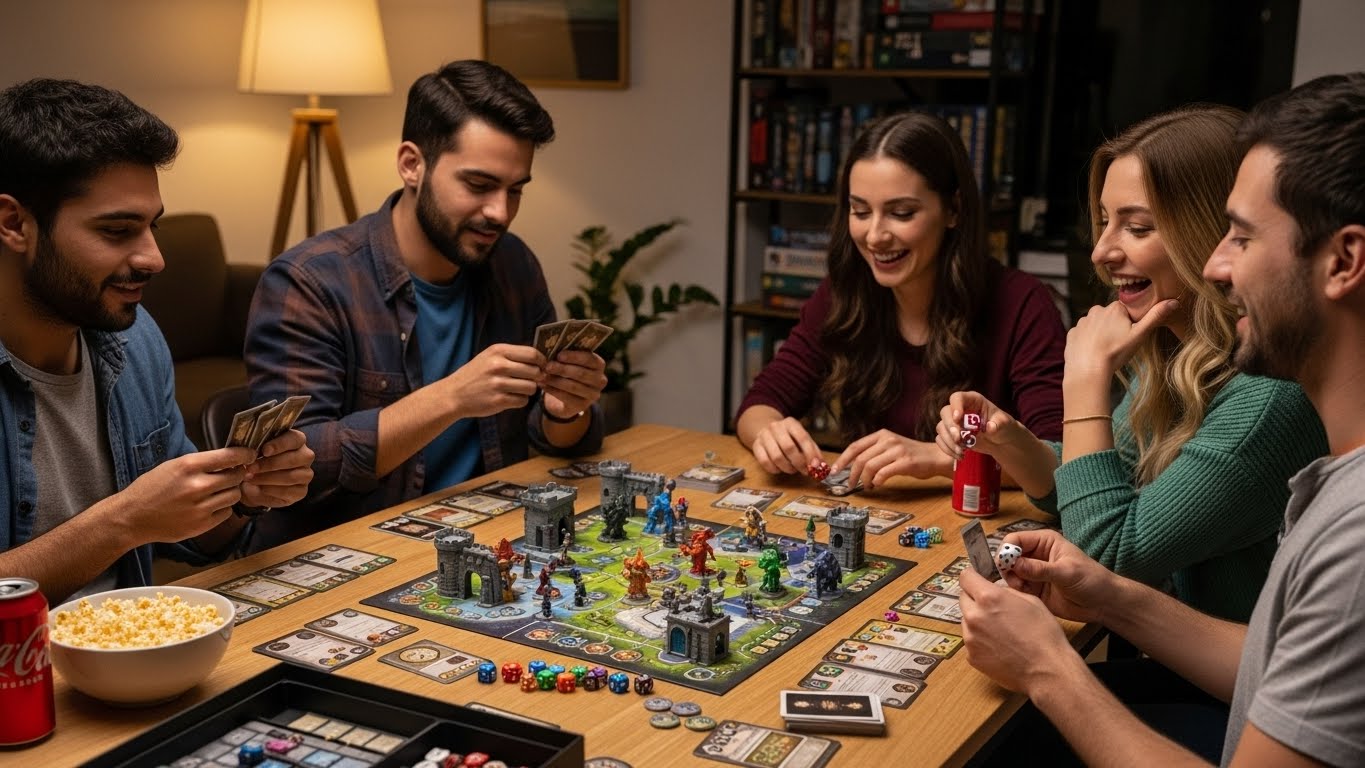
Long before digital screens and controllers, ancient civilizations used games to pass time, build strategy, and foster social connection. Archaeologists have discovered evidence of board games dating back over five thousand years. Games like Senet in Egypt and Go in China were not just entertainment but also carried deep spiritual or philosophical significance.
In medieval times, chess emerged as a game of intellect and strategy, symbolizing war and hierarchy. Traditional sports such as football, wrestling, and archery evolved as physical tests of strength, agility, and teamwork. Each era adapted games to its cultural values and technologies, shaping how humans interacted with one another.
What makes this history remarkable is that, despite changes in form and technology, the core essence of games has remained the same—they bring joy, competition, and connection.
The Evolution of Gaming: From Physical Boards to Digital Worlds
The 20th century marked a turning point in the evolution of games. The invention of computers and video consoles transformed how people played. Early digital games such as Pong and Space Invaders introduced interactive entertainment to households. As technology improved, games became more complex, incorporating narratives, soundtracks, and visuals that rivaled cinema.
The 1990s and early 2000s saw the rise of consoles like PlayStation, Xbox, and Nintendo, which brought gaming to the forefront of global entertainment. These platforms turned gaming into an experience that blended art, music, and storytelling. Multiplayer games allowed players to compete or cooperate across continents, erasing geographical boundaries.
Today, gaming has entered the age of virtual and augmented reality. Players can immerse themselves in digital universes that feel astonishingly real. From open-world adventures to realistic simulations, the boundaries between reality and imagination continue to blur.
The Psychology of Games: Why We Love to Play
At the heart of every game lies a fundamental truth—humans are wired to play. Psychologists describe play as a natural way to learn, explore, and develop creativity. Games stimulate our brains, challenge our skills, and provide a safe environment to experience emotions like excitement, victory, and even loss.
Winning a game releases dopamine, the brain’s “feel-good” chemical, creating a sense of satisfaction and accomplishment. This reward system keeps players motivated and engaged. Furthermore, games encourage problem-solving, teamwork, and strategic thinking.
For children, games are vital tools for learning and socialization. For adults, they serve as an escape from daily stress and a way to reconnect with their inner curiosity. The rise of mobile and online games has made play accessible to all ages, reinforcing the universal appeal of gaming.
The Artistic Side of Gaming: Storytelling Through Interaction
Modern video games are not just about winning or losing—they are works of art. Developers, designers, and writers collaborate to craft immersive worlds that rival novels and films in emotional depth. Every sound, texture, and visual detail serves a purpose, inviting players to live the story rather than merely observe it.
Games like narrative adventures, role-playing epics, and open-world explorations blur the line between art and technology. Players become part of the creative process, making choices that shape the outcome. This interactivity gives gaming a unique power: it transforms storytelling into a participatory experience.
Unlike traditional media, games demand engagement. The player is both audience and actor, writer and character. This duality gives gaming its artistic and emotional power, allowing each experience to feel personal and unforgettable.
Games and Technology: A Partnership of Progress
Every leap in technology has brought new possibilities to gaming. Graphics engines now create photorealistic environments. Artificial intelligence gives virtual characters the ability to learn and react dynamically. Cloud computing allows massive online worlds to exist seamlessly, connecting millions of players.
Virtual reality (VR) and augmented reality (AR) are redefining the limits of immersion. With VR headsets, players can step inside digital landscapes, interact with lifelike environments, and even experience sensations like touch and movement. Augmented reality games bring the virtual into the physical world, blending imagination with everyday surroundings.
In the near future, artificial intelligence could make games even more adaptive, responding uniquely to each player’s emotions, decisions, and behavior. Such innovations not only make games more engaging but also showcase how gaming drives advancements in technology across industries.
The Social Power of Games: Building Communities Across the World
Gaming is no longer a solitary activity. Online multiplayer games and live-streaming platforms have transformed gaming into a shared experience. Players form communities, teams, and friendships that transcend geography, language, and culture.
Esports, or competitive gaming, has turned this social interaction into a global phenomenon. Professional players compete in tournaments that attract millions of viewers. These events are celebrated much like traditional sports, complete with fans, commentators, and sponsorships.
Beyond competition, gaming communities often foster inclusivity and creativity. Players collaborate to create custom content, design virtual spaces, and even raise funds for charity. The sense of belonging and shared passion within gaming communities demonstrates that games are not just entertainment—they are powerful social tools that unite people across the world.
The Educational and Therapeutic Potential of Games
Games are increasingly being used in classrooms and therapy rooms alike. Educational games make learning interactive and fun, helping students grasp complex concepts through practical engagement. They encourage problem-solving, critical thinking, and creativity, making them valuable tools for teachers.
In healthcare, games are being used for physical rehabilitation, mental wellness, and even pain management. Virtual reality therapy can help individuals cope with anxiety, post-traumatic stress, or phobias by providing controlled, immersive environments. Games designed for cognitive training are used to improve memory and attention in elderly patients.
By combining play with purpose, games have proven that entertainment can also educate and heal. This new frontier of “serious gaming” showcases the transformative potential of play in improving human lives.
The Business of Games: A Global Industry
Gaming is one of the most powerful industries in the world, surpassing the combined revenue of music and film. What began as small-scale projects created by enthusiasts has grown into a multi-billion-dollar market spanning consoles, PCs, and mobile devices.
Developers and publishers now operate globally, releasing titles that cater to diverse audiences and cultures. Indie developers—small teams or individuals—are also thriving, producing unique games that prioritize creativity over scale. The rise of digital distribution has allowed these creators to reach global audiences without the need for major publishers.
Microtransactions, downloadable content, and subscription services have changed how games generate revenue. While these business models have sparked debate, they have also made it possible for games to evolve continuously with new features and updates. The gaming economy has become a self-sustaining ecosystem, blending technology, art, and commerce in remarkable harmony.
Challenges in the Gaming World
Despite its success, the gaming industry faces challenges. Issues such as addiction, toxic online behavior, and ethical concerns around monetization have drawn global attention. Game developers and regulators are working to ensure player safety and promote responsible gaming practices.
Another challenge lies in diversity and representation. The gaming world has made progress in featuring characters and stories that reflect different backgrounds, genders, and experiences, but there is still work to be done. Creating inclusive games ensures that all players feel seen, respected, and represented.
Additionally, environmental concerns have prompted discussions about sustainability in game development, from reducing energy consumption in servers to using eco-friendly packaging. These challenges represent opportunities for the industry to evolve ethically and responsibly.
The Future of Games: Endless Possibilities
The future of gaming is as vast as human imagination itself. With advancements in artificial intelligence, cloud technology, and virtual reality, the next generation of games will likely blur the boundaries between reality and fantasy even further. Players might soon experience personalized storylines, lifelike environments, and adaptive challenges that evolve in real time.
The rise of the metaverse—a shared digital universe where players can live, play, and create—could redefine what gaming means entirely. Games may no longer be just entertainment but platforms for creativity, education, and social interaction on a massive scale.
What remains constant, however, is the spirit of play. Games will continue to inspire curiosity, innovation, and connection. As long as humans seek challenge and joy, gaming will remain an integral part of our cultural identity.
Conclusion: The Infinite Game of Human Creativity
Games are more than mere diversions; they are a reflection of our imagination and our desire to explore new worlds. From ancient stones carved for play to the infinite digital landscapes of today, the essence of gaming lies in creativity, competition, and connection.
The world of games has become a global phenomenon, uniting technology and art, business and culture, individuals and communities. As it continues to evolve, gaming will remain one of humanity’s most powerful tools for expression and innovation.
In every pixel, every move, and every challenge, games remind us that play is not just about winning—it is about experiencing, learning, and growing. The game never truly ends; it only evolves, inviting us to press start once more.