Introduction: The Universal Appeal of Games
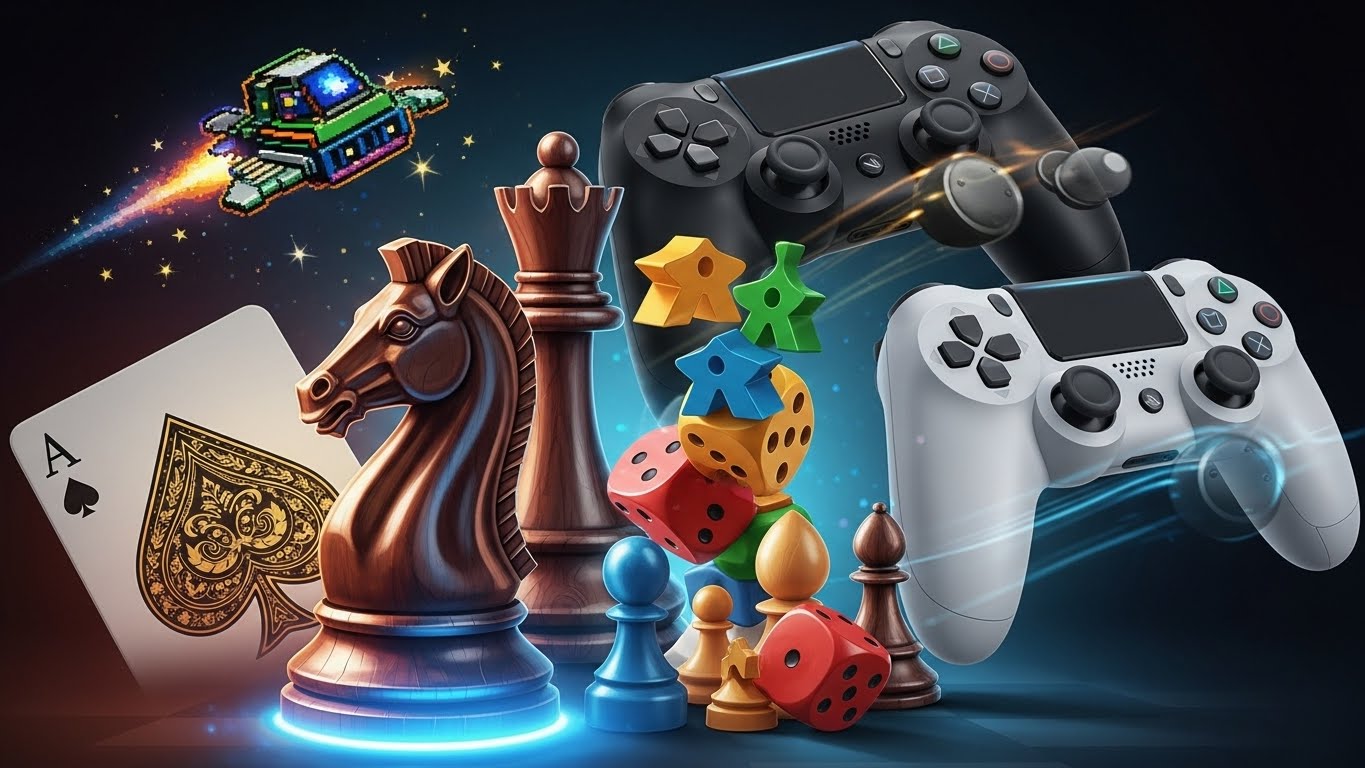
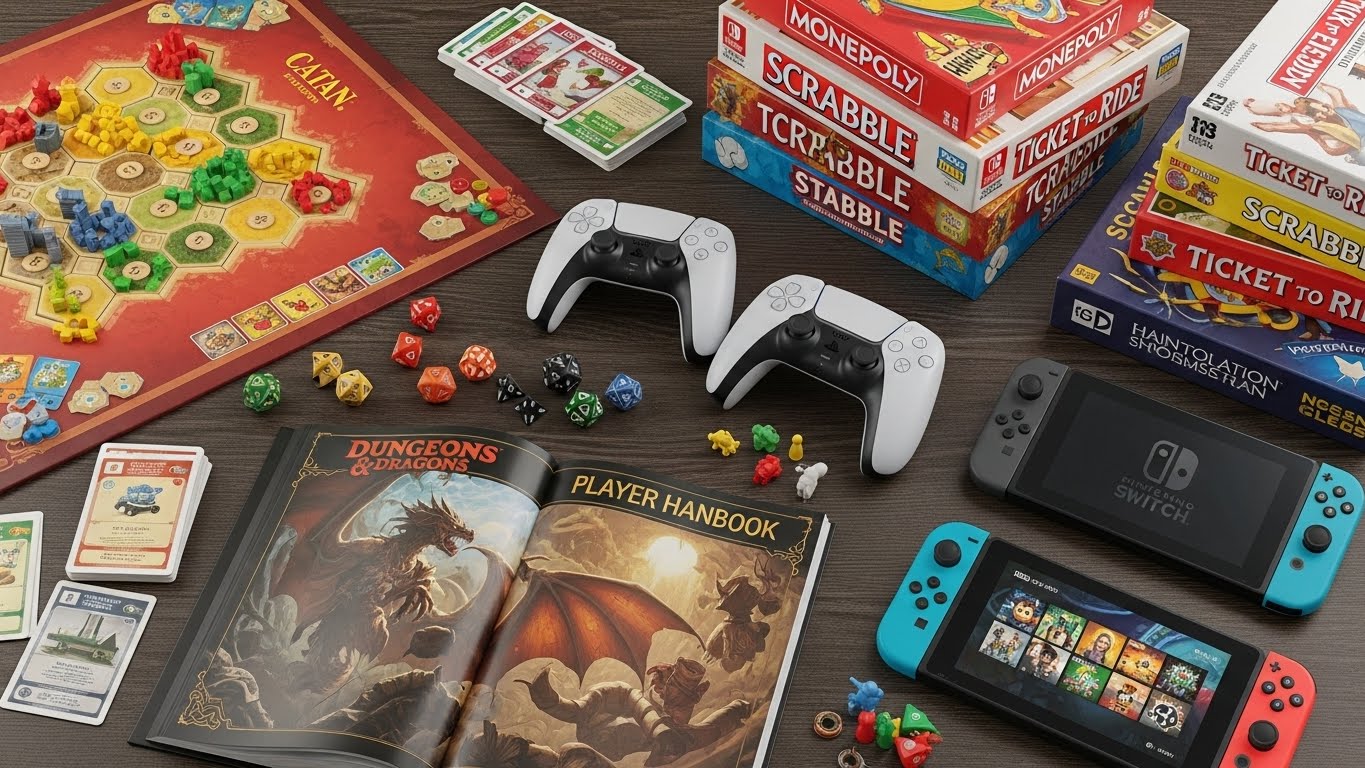
Games have been an integral part of human culture for millennia. From ancient board games played by royalty to the immersive virtual worlds of modern gaming, the act of play has transcended generations and cultures, shaping societies in ways both big and small. Games have not only served as a form of entertainment but have also influenced how people interact, learn, and even view the world. As technology advances, games continue to evolve, offering new ways to engage and challenge players. This blog takes a closer look at the evolution of games, their cultural significance, and the impact they have had on both individuals and society.
The Birth of Games: Play in Ancient Civilizations
The roots of gaming can be traced back to some of the earliest human societies. Evidence suggests that games have been a part of human life for over 5,000 years. One of the oldest known games, Senet, was played by the ancient Egyptians as far back as 3100 BCE. Archaeologists have found game boards and pieces that suggest it was played not only for entertainment but also for spiritual or religious purposes, symbolizing the journey of the soul through the afterlife. Similarly, the game of Go, which originated in China over 2,500 years ago, has been regarded as a deep and strategic game, symbolizing the interplay between opposites such as light and dark or male and female.
Throughout history, games have been woven into the fabric of human life, reflecting cultural values, religious beliefs, and intellectual pursuits. In ancient Greece, games like Petteia were played to simulate military strategy, and the Romans enjoyed games like Ludus Latrunculorum, which combined both tactical thinking and leisure. These early games were not just about recreation—they also served as tools for learning and moral education. As societies progressed, the games they played grew in complexity and sophistication, laying the groundwork for the modern games we enjoy today.
The Rise of Board and Card Games
As civilizations continued to evolve, so did the nature of their games. By the Middle Ages, board games had become a central part of European culture. The most famous example is chess, which evolved from the Indian game Chaturanga. Chess became widely popular across Europe in the 15th century and has remained one of the most celebrated and intellectual games in the world. Chess, with its deep strategy and endless possibilities, represented the pinnacle of human intellect and reason. It was not only a game but also a symbol of the mind’s ability to outthink an opponent.
At the same time, card games began to emerge, gaining popularity in Europe in the late 14th and 15th centuries. Originating in China, card games spread quickly across the globe, evolving into various versions like poker, bridge, and baccarat. These games not only entertained but also introduced elements of chance, probability, and psychology into the world of play. The social aspect of card games, where players gathered around tables to compete or cooperate, became a significant part of their appeal.
Both board and card games became tools for developing strategic thinking, mental agility, and social interaction. These games allowed individuals to challenge one another, hone their skills, and experience the thrill of competition. They also served as a form of intellectual exercise, a way to sharpen the mind in an age before computers and modern technology.
The Advent of Video Games: A New Era of Play
The real transformation in the world of games came in the mid-20th century with the invention of video games. The development of electronic gaming began in the 1940s and 1950s, with early experiments such as the game of Nim and the creation of early computer-based games. However, it wasn’t until the 1970s that video games made their way into popular culture. The release of Pong by Atari in 1972 marked the beginning of the video game industry, with players controlling paddles to bounce a ball back and forth on the screen.
In the following decades, video games rapidly evolved in both complexity and popularity. Arcade games like Space Invaders, Pac-Man, and Donkey Kong became household names, attracting millions of players. The 1980s saw the rise of home video game consoles like the Atari 2600, followed by the Nintendo Entertainment System (NES) in the mid-1980s. These consoles brought the experience of video games into living rooms, making gaming a mainstream activity. Games like Super Mario Bros., The Legend of Zelda, and Final Fantasy captured the imaginations of players worldwide, offering them not just entertainment but expansive worlds to explore and characters to engage with.
As video game technology improved, so did the depth and scope of the games themselves. The development of 3D graphics in the 1990s, coupled with powerful new gaming consoles like the Sony PlayStation and Sega Saturn, brought even more sophisticated games to players. The transition to 3D worlds marked a milestone in gaming, offering fully immersive environments where players could explore vast landscapes, solve intricate puzzles, and experience action-packed adventures.
Online Gaming and the Social Revolution
The turn of the 21st century brought with it the rise of online gaming, forever changing the way people interacted with video games. Games like Diablo II and StarCraft laid the groundwork for online multiplayer gaming, where players could compete or cooperate with others across the globe. The advent of broadband internet connections in the early 2000s led to the explosion of massively multiplayer online role-playing games (MMORPGs) like World of Warcraft, where players could interact in shared virtual worlds.
Online gaming introduced a new level of social interaction. Gamers could now form communities, join clans, and collaborate with others to complete quests or battle in teams. Games like League of Legends and Counter-Strike allowed players to compete in real-time, creating a global network of individuals bonded by their love of play. The rise of social platforms like Twitch further cemented gaming’s role in social interaction, with millions of people watching professional gamers, participating in live streams, and connecting with fellow fans.
The social revolution brought about by online gaming cannot be overstated. The sense of community, friendship, and camaraderie that emerged from gaming was a game-changer in itself. Gamers, who once played alone or in small groups, now had the opportunity to build relationships with players from around the world. This global connectivity transformed gaming from a solitary activity into a shared experience that transcended geographical and cultural boundaries.
Mobile Gaming: Gaming on the Go
As smartphones became more powerful and widespread, mobile gaming emerged as one of the most accessible and popular forms of play. Games like Angry Birds, Candy Crush, and Pokémon Go brought gaming to millions of people who may not have previously considered themselves gamers. The accessibility of mobile games—being able to play on the go, during breaks, or while commuting—made gaming even more pervasive, attracting a diverse audience of all ages.
Mobile gaming is characterized by its simplicity and accessibility. Many mobile games are designed to be played in short bursts, making them ideal for casual players who want a quick gaming experience without the time commitment of more traditional games. Free-to-play models with in-app purchases also revolutionized the way games are monetized, allowing players to enjoy games without upfront costs while offering additional content through microtransactions.
Pokémon Go, a groundbreaking augmented reality (AR) game released in 2016, demonstrated how mobile gaming could blend the real world with virtual experiences. By using the GPS functionality of smartphones, Pokémon Go encouraged players to explore their physical environment, catch virtual creatures, and interact with others in real-world locations. This blend of digital play and physical activity opened up new possibilities for mobile gaming and set the stage for further innovations in AR gaming.
The Future of Games: What’s Next?
As technology continues to advance, the future of gaming looks incredibly exciting. The development of virtual reality (VR) and augmented reality (AR) technologies promises to take gaming to new heights, offering fully immersive experiences where players can interact with digital environments in ways that were once the stuff of science fiction. With VR, players can step into fully realized worlds and experience them from a first-person perspective. VR games like Beat Saber and Half-Life: Alyx are already offering immersive experiences, and as the technology becomes more affordable, we can expect VR gaming to become more widespread.
AI-driven games are another area of growth, with developers using machine learning to create dynamic, responsive game worlds. This could lead to NPCs (non-playable characters) that react in increasingly realistic ways to player actions, making the game world feel more alive and unpredictable. Additionally, AI could enable games to generate procedurally created content, ensuring that each playthrough is unique.
Cloud gaming is also set to revolutionize the industry. By allowing players to stream games from powerful servers rather than relying on local hardware, cloud gaming will make high-quality gaming more accessible to a wider audience. Players will be able to enjoy console-level experiences on devices that would normally be incapable of running such demanding games, such as smartphones and low-end PCs.
Conclusion: The Enduring Legacy of Games
From ancient pastimes to cutting-edge digital worlds, games have undergone an extraordinary transformation. They have entertained, educated, and connected people across generations and continents. As technology continues to advance, the future of gaming holds endless possibilities, offering even more immersive, interactive, and social experiences.
Games have proven to be more than just a form of entertainment; they are a reflection of our creativity, culture, and desire for connection. Whether through the strategy of chess, the action of a video game, or the social bonds forged in online multiplayer experiences, games continue to shape our lives and our societies. The power of play is universal, and as long as people continue to seek new ways to challenge themselves and have fun, games will remain an essential part of our world.