
Entertainment has always been a central part of human life, evolving with the times, cultures, and technological advancements. From ancient theatrical performances to the digital marvels of the modern era, entertainment serves not only as a source of relaxation but also as a powerful tool for storytelling, cultural exchange, and emotional expression. In this post, we’ll explore the history and transformation of entertainment, and how it continues to shape and reflect society.
The Early Days: Rituals, Stories, and Performance
The origins of entertainment can be traced back to the early days of human civilization. Long before the invention of the written word, people relied on oral traditions and communal gatherings to entertain, educate, and share stories. These early forms of entertainment were often tied to rituals, religious ceremonies, and celebrations of significant life events.
Storytelling as a Foundation of Entertainment
One of the most ancient forms of entertainment was storytelling. It is believed that early humans used storytelling not only to pass down history but also to entertain and bring people together. The stories often involved mythology, folklore, and local legends, with characters and plotlines meant to engage the audience. These stories were shared orally, and as time passed, they became embedded in the culture, evolving into epic tales like those of Gilgamesh, the Iliad, and the Odyssey.
Theater and Public Performances
The next significant step in the evolution of entertainment came with the development of theater. Ancient Greek playwrights such as Sophocles, Euripides, and Aeschylus pioneered the art of drama and theatrical performance, which became central to Greek culture. Theater, as both a form of entertainment and social commentary, allowed for deep exploration of human nature, morality, and politics.
Theater spread across cultures and civilizations, from the Roman Empire to China and India, where elaborate performances such as the traditional Chinese Peking Opera and Indian Kathakali formed the foundation for dramatic arts in their respective societies. In these early forms, entertainment was inextricably linked to culture and often intertwined with spirituality and politics.
The Rise of Mass Entertainment: Print and Film
As societies advanced, so did the methods of providing entertainment. The invention of the printing press in the 15th century paved the way for the mass production of literature, which allowed novels, plays, and poems to reach broader audiences. In addition to books, newspapers, and magazines, print media offered new ways to engage people, leading to an explosion of entertainment forms.
The Birth of Cinema
The arrival of cinema in the late 19th century was a transformative moment in the entertainment world. Early film pioneers like Thomas Edison and the Lumière Brothers brought to life a new form of visual storytelling that quickly gained popularity. Film allowed for storytelling to reach even larger audiences than ever before, as the new medium combined visual imagery with music, dialogue, and special effects, creating a unique form of immersive entertainment.
Hollywood, particularly in the early 20th century, became the epicenter of the global entertainment industry, producing iconic films that would go on to define the cinematic experience. The silent film era gave rise to legendary actors like Charlie Chaplin and Buster Keaton, while the advent of “talkies” brought new dimensions to film, paving the way for stars like Humphrey Bogart, Katharine Hepburn, and Marilyn Monroe.
The cinematic experience was no longer just a form of entertainment—it became a global cultural phenomenon, influencing not just how stories were told, but also shaping fashion, ideals, and social trends.
Television: A New Era of Home Entertainment
The mid-20th century saw the rise of television, which marked a dramatic shift in how people consumed entertainment. The accessibility of television brought entertainment into people’s homes, offering a wide range of content from news programs to comedy shows, dramas, and documentaries.
The Golden Age of Television
The 1950s and 1960s are often referred to as the “Golden Age” of television. This period saw the rise of iconic shows like I Love Lucy, The Twilight Zone, and The Ed Sullivan Show. The television became the focal point of family life, as people gathered around to watch their favorite programs together.
Television also became a key tool for shaping public opinion. News programs like CBS Evening News and 60 Minutes played vital roles in keeping the public informed on global events, while political figures understood the importance of television in reaching large audiences. In this period, entertainment on TV became a medium that not only entertained but informed, shaped culture, and connected people across distances.
Cable and Satellite TV
In the 1980s and 1990s, the rise of cable and satellite television added hundreds of channels to the viewing options available. This led to the fragmentation of television entertainment, as niche networks such as MTV, ESPN, and CNN catered to specific interests. This increase in content diversity gave rise to more specialized shows, expanding the concept of what television entertainment could be.
At the same time, household video players (VHS, then DVD) allowed people to watch movies at home, further democratizing entertainment access. The golden age of TV shows, the proliferation of entertainment genres, and the growing importance of home entertainment systems all contributed to the rapid evolution of entertainment in the modern era.
The Digital Revolution: Streaming and Interactive Media
The most significant leap in entertainment in the 21st century has been the rise of digital technologies, especially the internet. The way we consume entertainment has shifted dramatically, from traditional television and cinema to digital streaming services, video games, and social media.
Streaming Services: The Era of On-Demand Entertainment
The introduction of platforms like Netflix, Hulu, Amazon Prime, and Disney+ revolutionized how people watch television and film. Streaming services allow viewers to watch their favorite shows and movies on-demand, whenever and wherever they want. This shift from scheduled programming to on-demand streaming means that entertainment can now be fully personalized, with viewers choosing what to watch and when to watch it.
The ability to binge-watch entire seasons of TV shows has transformed the viewing experience. Shows like Breaking Bad, Stranger Things, and The Crown have become cultural phenomena, reaching audiences across the globe in ways traditional television never could. Streaming also paved the way for more diverse content, as creators were able to take risks with niche genres and unconventional storytelling.
Video Games: Interactive Entertainment
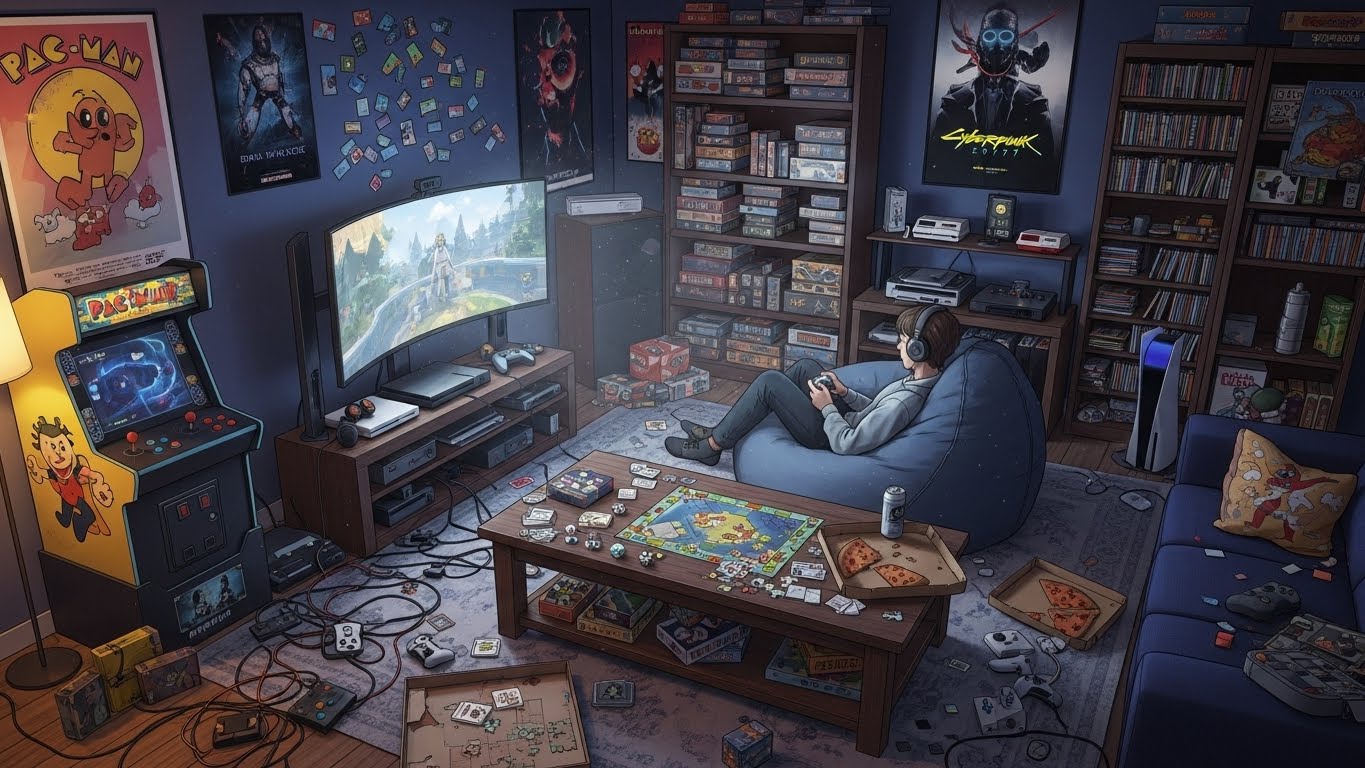
Video games have become one of the dominant forms of entertainment, attracting millions of players worldwide. What started as simple arcade games has evolved into massive open-world adventures, complex role-playing games, and competitive esports. Video games are no longer just a pastime for children; they have become an immersive, interactive form of entertainment for all ages.
Games like The Legend of Zelda, Grand Theft Auto, and Fortnite offer players the ability to engage in rich, story-driven worlds, making the experience more interactive than any other form of media. Esports, where professional players compete in tournaments in games like League of Legends and Dota 2, have become a multi-billion-dollar industry, attracting millions of viewers to watch live-streamed competitions.
The incorporation of virtual reality (VR) and augmented reality (AR) into gaming is further pushing the boundaries of how people experience entertainment, creating more immersive and realistic environments.
Social Media and User-Generated Content
Social media platforms like YouTube, TikTok, Instagram, and Twitter have transformed entertainment into a two-way interaction between content creators and audiences. With the rise of user-generated content, anyone with a smartphone can become an entertainer, whether through vlogs, short skits, or music videos. These platforms have given rise to influencers and online celebrities who have amassed millions of followers and become key figures in shaping popular culture.
Social media has also allowed people to connect with others who share their entertainment interests, fostering online communities around specific shows, games, or hobbies. In a sense, entertainment is no longer just something we consume passively—it is something we actively engage with, collaborate on, and share.
The Future of Entertainment: AI, Metaverses, and Beyond
Looking ahead, the future of entertainment promises even greater advancements. Artificial intelligence (AI) is already beginning to play a role in content creation, from generating music and scripts to personalizing viewing experiences for individual users. AI-driven recommendation algorithms help people discover new content based on their tastes, and the potential for AI to generate interactive stories or even immersive video games is growing.
The concept of the metaverse—an interconnected virtual world where people can interact with each other, attend virtual concerts, watch films, or play games—could very well redefine how we experience entertainment. Virtual and augmented reality technologies will likely continue to evolve, creating even more immersive experiences that blur the lines between the real and digital worlds.
Conclusion: Entertainment as a Mirror of Society
Throughout history, entertainment has evolved from simple storytelling and theatrical performances to the complex, immersive digital experiences we enjoy today. Each stage of this evolution reflects changes in technology, culture, and society. From theater to film, television, and digital media, entertainment has become a vital part of our daily lives, helping us to escape, learn, connect, and grow.