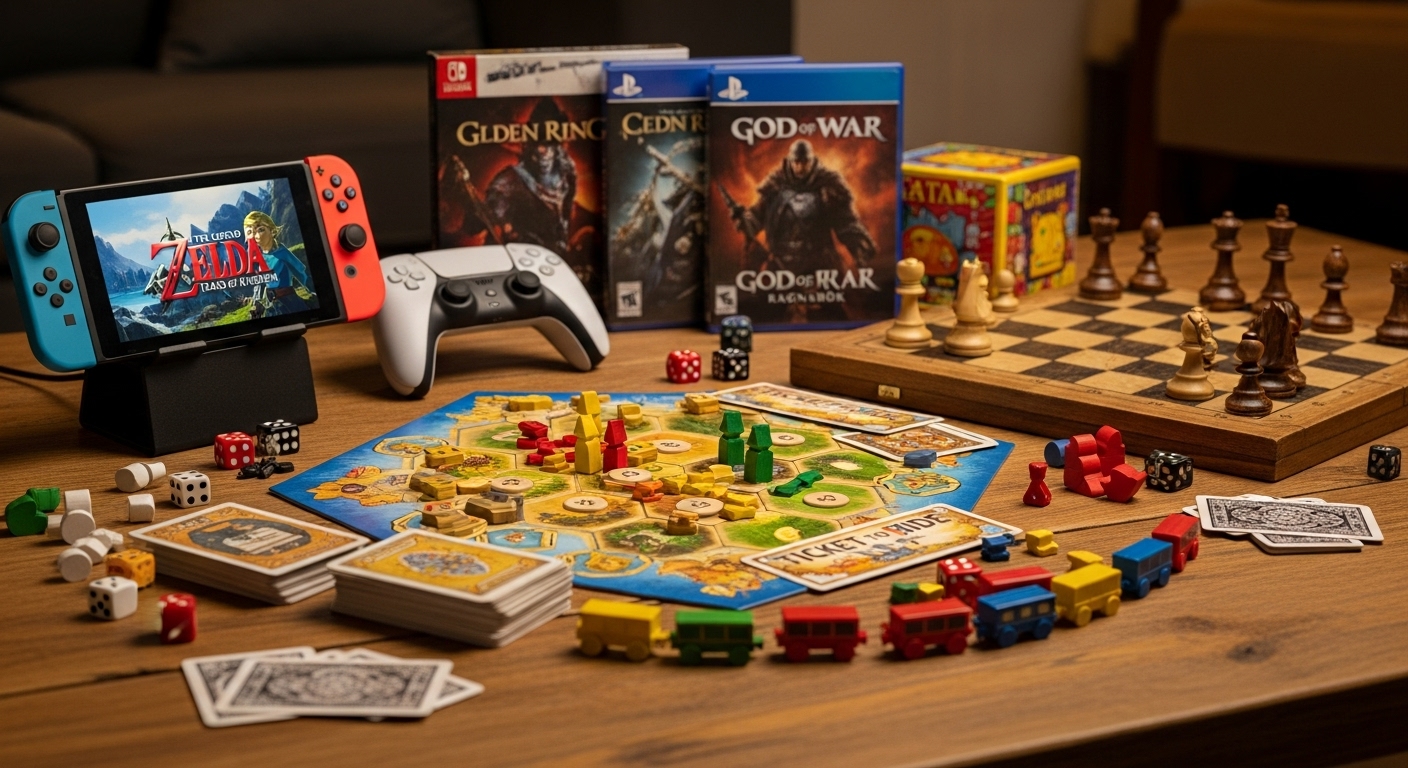
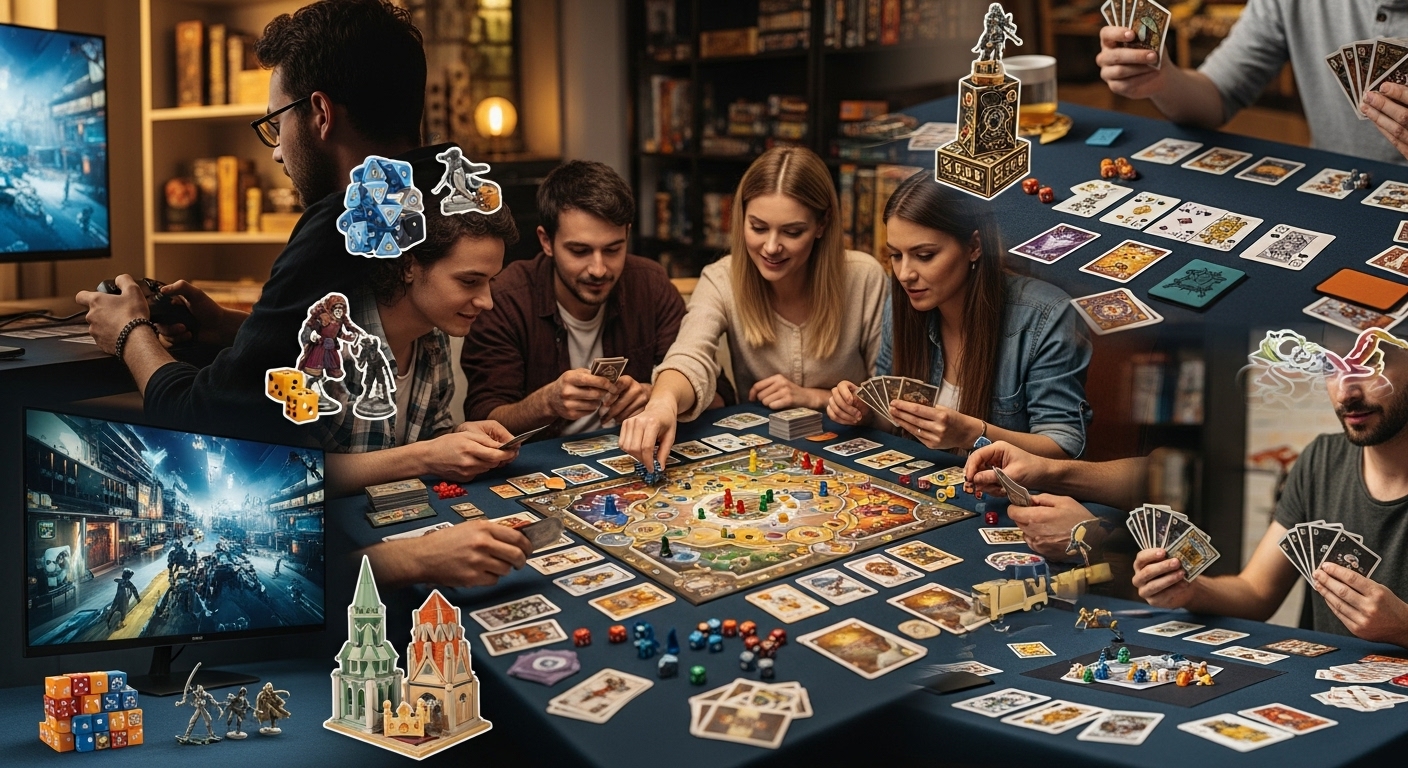
Games have been an integral part of human culture for millennia, evolving from simple pastimes to complex, multi-dimensional experiences that engage millions of people across the globe. From board games to video games, and from card games to sports, gaming is a universal activity that transcends age, culture, and geography. What is it about games that makes them so compelling? How have they shaped human behavior, influenced social dynamics, and evolved into the entertainment powerhouse we see today?
In this blog post, we will explore the history, psychology, and future of games, as well as their impact on individuals and society as a whole. Whether played for relaxation, competition, or creativity, games have played a fundamental role in shaping who we are and how we interact with the world.
The Origins of Games: From Ancient Rituals to Modern Entertainment
The history of games dates back to ancient civilizations, with evidence of early forms of gaming found in archaeological sites across the world. The ancient Egyptians, for example, played games like Senet, a strategy board game, while the Sumerians engaged in dice games. These early games were not just entertainment but often served ceremonial, educational, or even spiritual purposes. They were a way to sharpen mental acuity, prepare for war, or appease the gods.
As civilizations advanced, so did the complexity and variety of games. The ancient Greeks popularized sports such as the Olympics, and the Romans enjoyed board games like Tabula, which bears striking similarities to modern backgammon. Games have always been a part of human life, whether in the form of a competitive sport, a strategic game of chance, or a casual social activity.
The advent of printed materials in the 15th century allowed for the widespread distribution of games like playing cards and board games. By the 19th and 20th centuries, as industrialization and mass media took hold, games became more accessible and diverse. Today, games span across every medium imaginable: from digital video games played on consoles and PCs to mobile games on smartphones and social platforms, the gaming landscape is more expansive than ever before.
The Psychology of Gaming: Why We Play
What makes games so addictive and engaging? The answer lies partly in human psychology. Games trigger various emotional and cognitive responses that keep players coming back for more.
Challenge and Reward: The Heart of Motivation
One of the main factors that drive our love for games is the challenge they present. Humans are wired to enjoy solving problems and overcoming obstacles. Games, especially video games, offer challenges that are both stimulating and achievable. Whether it’s completing a difficult level in a platformer or strategizing to beat an opponent in a competitive online game, games provide a clear structure of goals and rewards.
This “challenge and reward” dynamic taps into our intrinsic motivation. As players advance through levels, unlock new abilities, or earn achievements, they experience a sense of accomplishment and mastery. The dopamine rush from overcoming a challenge keeps players invested, providing a cycle of feedback that drives further engagement.
Social Connection and Community Building
While games are often seen as solitary activities, they also have the power to bring people together. Social connection is a significant aspect of many games, especially multiplayer ones. Whether it’s teaming up with friends in a cooperative game or competing against strangers in an online match, games foster a sense of camaraderie and community.
Massively multiplayer online games (MMOs) like World of Warcraft and Fortnite are prime examples of games that create entire social ecosystems. Players from around the world interact, form friendships, join guilds or clans, and sometimes even collaborate in real-life projects inspired by their in-game experiences.
Games also serve as a medium for storytelling, with players becoming emotionally invested in the characters, narratives, and worlds of the games they play. These emotional connections enhance the overall experience, making it more immersive and rewarding. In many ways, games are modern-day mythologies, offering escapism, emotional resonance, and community in a way that few other forms of entertainment can.
Escapism and Stress Relief
In an increasingly fast-paced and stressful world, games provide a vital escape. Many players turn to games to temporarily disconnect from real-world issues, whether it’s work, relationships, or daily responsibilities. This escapism can be deeply therapeutic, allowing players to immerse themselves in different worlds, take on new identities, and experience stories they wouldn’t otherwise encounter.
In fact, some studies have shown that playing games can actually reduce stress and improve mental health. Casual games, puzzle games, and even action-oriented games can promote relaxation by diverting attention and engaging the brain in a way that encourages focus and concentration. For those with anxiety or depression, video games can serve as a distraction, offering a temporary relief from negative thoughts.
The Impact of Games on Society: Cultural Significance and Economic Influence
Games are more than just a form of entertainment—they are a powerful cultural force. The impact of games on society extends beyond the individual experience, shaping everything from pop culture to social interactions, and even economics.
Games as Cultural Phenomena
Over the past few decades, games have become a central part of popular culture. From blockbuster franchises like Super Mario, The Legend of Zelda, and Call of Duty to viral mobile games like Angry Birds and Candy Crush, games have permeated our collective consciousness. Characters, storylines, and gaming memes now influence music, film, and television. Icons like Mario, Sonic, and Master Chief are instantly recognizable, transcending the gaming world and becoming symbols of a larger cultural movement.
Esports, which refers to competitive video gaming, has become a global phenomenon in its own right. Professional players, tournaments, and live-streaming platforms like Twitch have made gaming a spectator sport, drawing millions of viewers and generating revenue through sponsorships, advertisements, and merchandise. Esports tournaments like The International (Dota 2) and League of Legends Worlds attract audiences rivaling traditional sports events, with millions of dollars in prize money up for grabs.
The social aspect of gaming has also contributed to its cultural impact. Video games have become a language of their own, with gamers forming unique communities and traditions. The rise of game-related content on YouTube, such as walkthroughs, “let’s plays,” and live streams, has contributed to the widespread popularity of gaming, creating a space for fans to share their experiences and engage with the gaming world in new ways.
The Economics of Gaming
The video game industry is now one of the largest and fastest-growing entertainment sectors in the world. In 2020, the global video game industry was valued at over $159 billion, surpassing even the film and music industries combined. The rise of mobile gaming, in particular, has made gaming accessible to an even larger audience, with people of all ages and backgrounds playing games on smartphones, tablets, and other mobile devices.
The economic impact of gaming extends beyond just game sales. The gaming industry supports a wide range of jobs, from game developers and graphic designers to voice actors and esports coaches. The rise of streaming platforms like Twitch and YouTube Gaming has created new career opportunities for content creators, who can monetize their gameplay by attracting viewers, securing sponsorships, and generating ad revenue.
Additionally, game studios and publishers are investing heavily in new technologies, such as virtual reality (VR) and augmented reality (AR), to create even more immersive gaming experiences. These investments point to a future where gaming will continue to grow in influence and complexity, with new platforms, genres, and monetization models emerging to meet the demands of a global audience.
The Future of Gaming: Trends and Innovations on the Horizon
As technology continues to advance, the future of gaming looks brighter and more exciting than ever. Several trends are expected to shape the next generation of games and their impact on society.
Virtual Reality and Augmented Reality
Virtual reality and augmented reality are poised to revolutionize the gaming experience. VR allows players to fully immerse themselves in a 3D world, providing an unparalleled sense of presence and interactivity. Games like Half-Life: Alyx have demonstrated the potential of VR to create truly immersive experiences that transport players into entirely new realities.
Augmented reality, on the other hand, blends the digital world with the real world, allowing players to interact with both physical and virtual environments. Games like Pokémon Go have already showcased the potential of AR to create innovative gameplay experiences that encourage players to explore the world around them.
Artificial Intelligence and Machine Learning
Artificial intelligence (AI) is becoming a key component of modern games, enhancing everything from gameplay to storytelling. AI-driven characters can respond more naturally to player actions, creating more dynamic and challenging experiences. Machine learning algorithms are being used to personalize content, offering tailored experiences based on a player’s preferences and behaviors.
AI can also improve game design by creating more realistic simulations, adjusting difficulty levels, and even generating new content in real-time. The potential for AI to enhance storytelling and game mechanics is immense, offering players more nuanced and immersive experiences.
Cloud Gaming and Streaming Services
Cloud gaming is another technology that is expected to transform the gaming landscape. Services like Google Stadia and NVIDIA GeForce Now allow players to stream games directly to their devices, eliminating the need for expensive hardware and making high-quality gaming more accessible. This model could help bridge the gap between casual and hardcore gamers, allowing anyone with a stable internet connection to enjoy console-quality games on a variety of devices.
Streaming services could also usher in a new era of gaming subscription models, where players pay a monthly fee to access a library of games, similar to how Netflix offers movies and TV shows.