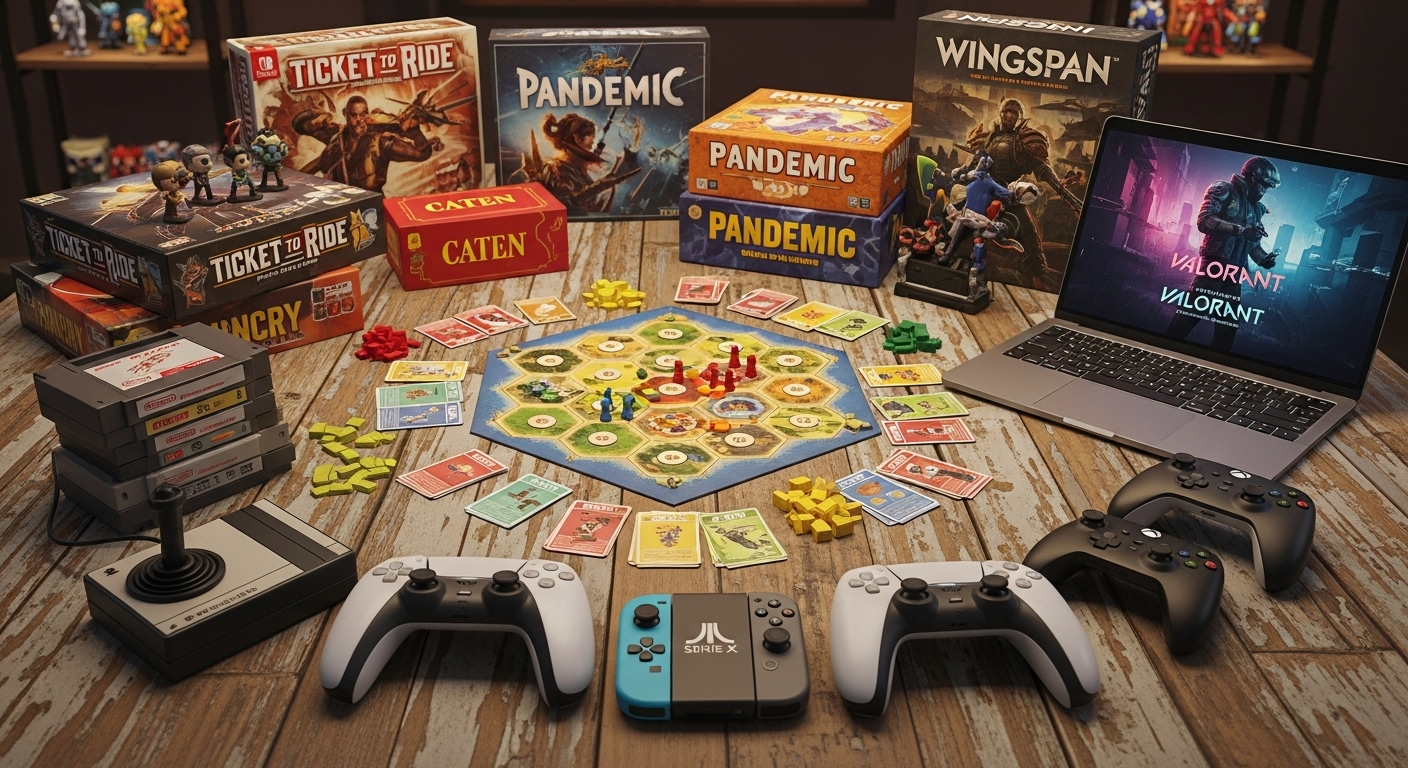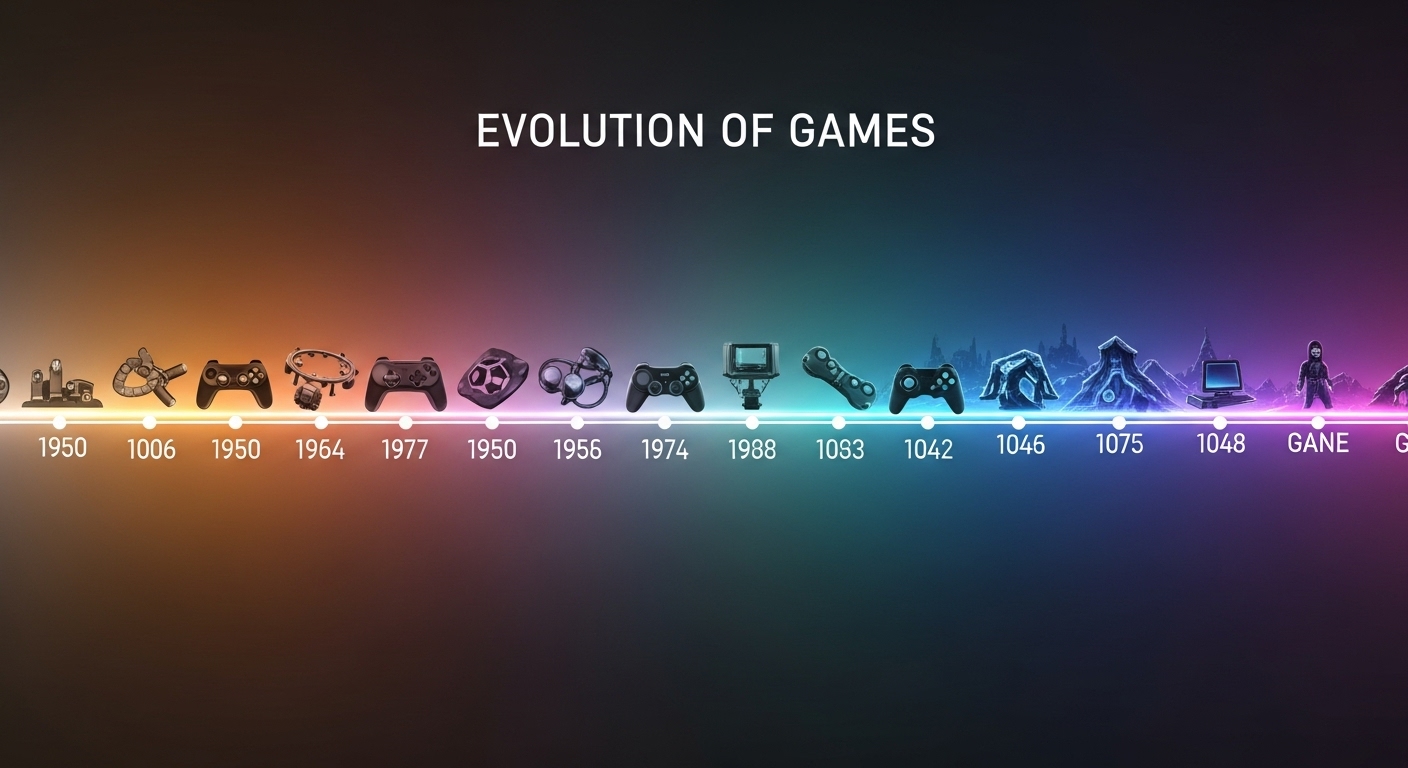
Games have been an integral part of human culture since the beginning of civilization. Whether in the form of ancient board games, outdoor physical contests, or modern digital creations, the essence of gaming has always been the same — to entertain, challenge, and connect people. Over the centuries, games have evolved drastically, moving from simple physical activities to complex virtual experiences that blur the line between reality and imagination. Today, gaming is not just a pastime; it is a global phenomenon influencing entertainment, technology, education, and even social interaction.
The Origins of Games
The earliest forms of games were found thousands of years ago, often tied to ritual or social activities. Archaeological evidence shows that ancient civilizations like the Egyptians played Senet, a board game that symbolized the journey of the soul. Similarly, the Chinese invented Go, one of the oldest strategy games still played today. These early games were not just for amusement; they often carried deep cultural or spiritual meanings, reflecting the beliefs and values of their time.
In Greece and Rome, physical games such as wrestling, chariot races, and ball games were popular forms of entertainment. These competitions often emphasized physical prowess, discipline, and honor. Sports and games were integral to education, teaching values such as teamwork, perseverance, and fair play. In contrast, medieval Europe favored games of chance, such as dice and card games, which provided both amusement and a sense of risk.
The Transformation into Modern Sports
As societies developed, so did the structure and organization of games. The Industrial Revolution brought significant changes, including more leisure time and better access to recreational facilities. This gave rise to organized sports like football, cricket, and baseball, which soon became symbols of national pride and identity. The rules of these games were formalized, and associations were established to ensure fairness and consistency.
Football, for example, emerged as a unifying sport across continents. Its simplicity and minimal equipment made it accessible to people from all walks of life. Similarly, cricket and baseball developed massive fan bases, creating traditions and rivalries that continue to shape global sports culture. The modern Olympic Games, revived in 1896, became the ultimate celebration of human athleticism and global unity through sportsmanship.
The Birth of Video Games
The next revolutionary step in gaming began in the mid-20th century with the advent of computers and electronic entertainment. The first video games, such as Pong and Space Invaders, were simple yet groundbreaking. They introduced a new form of interactivity that went beyond physical play. Players could now compete against machines or each other in a digital environment.
The 1980s marked the golden age of arcade games, with titles like Pac-Man, Donkey Kong, and Tetris capturing the hearts of millions. These games were not only fun but also addictive, challenging players to beat high scores and improve their skills. The introduction of home consoles, such as the Nintendo Entertainment System and the Sega Genesis, brought gaming into living rooms worldwide. Suddenly, gaming was no longer limited to arcades; it became a household activity.
The Rise of 3D Graphics and Storytelling
As technology advanced in the 1990s, games began to evolve beyond simple mechanics. Developers started focusing on immersive storytelling, 3D graphics, and complex gameplay systems. Titles like The Legend of Zelda, Final Fantasy, and Metal Gear Solid demonstrated that games could tell stories as compelling as those in books or movies.
The introduction of 3D graphics revolutionized how players experienced games. Worlds became more realistic, characters more expressive, and gameplay more dynamic. Games like Super Mario 64 and Tomb Raider set new standards for design and interactivity. The emotional connection between players and virtual characters deepened, paving the way for narrative-driven gaming experiences.
Online Gaming and Global Connectivity
The late 1990s and early 2000s brought about one of the biggest shifts in gaming history: the rise of online gaming. With the spread of the internet, players could now connect and compete with others across the globe. Games like Counter-Strike, World of Warcraft, and Runescape created vast online communities where players could collaborate, compete, and form friendships that transcended borders.
Online gaming also gave birth to esports, a new form of competitive entertainment. Professional players began competing in large tournaments, attracting massive audiences both online and offline. Today, esports rivals traditional sports in terms of viewership, sponsorship, and cultural impact. Games like League of Legends, Dota 2, and Fortnite have transformed skilled gamers into international celebrities, earning recognition and respect for their expertise.
The Art and Psychology of Game Design
Behind every successful game lies a deep understanding of psychology, art, and storytelling. Game designers carefully craft experiences that engage players emotionally and mentally. Elements like challenge, reward, exploration, and creativity are meticulously balanced to keep players immersed.
Good games often mirror real-life experiences, offering players a sense of achievement, escape, and identity. For instance, role-playing games (RPGs) allow players to step into different worlds, assume unique identities, and make meaningful choices. Simulation games like The Sims reflect daily life, giving players control over virtual societies. Strategy games like Civilization challenge intellectual and decision-making skills, while puzzle games sharpen problem-solving abilities.
The visual and auditory aspects of games also play a crucial role. Music, sound effects, and art direction create emotional depth, transforming a simple activity into an unforgettable journey. A game’s soundtrack can evoke nostalgia, excitement, or even sadness, enhancing the player’s emotional investment.
The Influence of Technology on Gaming
Modern gaming owes much to technological innovation. Graphics processing units (GPUs) have made it possible to render lifelike environments with stunning detail. Virtual reality (VR) and augmented reality (AR) have introduced immersive experiences where players can physically interact with digital worlds.
Cloud gaming is another major advancement, allowing players to stream games without powerful hardware. This has made high-quality gaming more accessible, reducing the barrier to entry. Artificial intelligence (AI) has also transformed how games are played and developed. Non-player characters (NPCs) are now smarter and more responsive, creating dynamic gameplay experiences that adapt to each player’s style.
Furthermore, technology has expanded the reach of gaming to mobile devices. Smartphones have made gaming universal, allowing people to play anywhere, anytime. Mobile games like Candy Crush, Clash of Clans, and PUBG Mobile have millions of players worldwide, proving that gaming is no longer confined to dedicated consoles or computers.
Gaming as a Cultural Phenomenon
Gaming is not just entertainment; it has become a defining aspect of modern culture. Characters like Mario, Sonic, and Lara Croft are global icons. Entire communities form around favorite games, sharing fan art, theories, and experiences. Gaming conventions and expos attract millions of visitors, celebrating creativity and innovation.
The cultural impact of gaming can be seen in music, fashion, and even education. Video game soundtracks are performed in orchestral concerts, cosplay has become a mainstream hobby, and schools are integrating game-based learning to make education more engaging. Games also influence storytelling across other media, inspiring movies, TV shows, and literature.
Moreover, gaming has become a social bridge, connecting people across different backgrounds, languages, and cultures. Online multiplayer games encourage cooperation, communication, and teamwork. They offer a sense of belonging and community that many players find meaningful.
The Economic Power of the Gaming Industry
The gaming industry has grown into one of the largest entertainment sectors in the world, surpassing even film and music in revenue. Major studios and independent developers alike contribute to a diverse ecosystem of games catering to every interest and demographic.
In addition to game sales, in-game purchases, subscriptions, and esports sponsorships have created new economic models. Streaming platforms have further expanded gaming’s financial reach, allowing players to earn through content creation and live broadcasting. Games are no longer just products; they are platforms for creativity, commerce, and communication.
The Educational and Therapeutic Potential of Games
Beyond entertainment, games are increasingly being recognized for their educational and therapeutic benefits. Educational games teach subjects like mathematics, history, and science in interactive ways that traditional methods often cannot match. Simulation games help train professionals in fields such as medicine, aviation, and engineering.
In healthcare, games are used for therapy and rehabilitation. They can improve motor skills, cognitive function, and emotional well-being. For people with anxiety, depression, or trauma, games provide a safe space to explore emotions and regain a sense of control. Gamification, the application of game design principles in non-gaming contexts, is also transforming industries by motivating learning, fitness, and productivity.
The Challenges and Criticisms of Gaming
Despite its many positives, gaming is not without challenges. Concerns about addiction, screen time, and violent content have sparked debates among parents, educators, and policymakers. Some argue that excessive gaming can lead to social isolation or health issues, while others point out that moderation and balance are key to healthy play.
Game developers also face ethical questions about monetization and player exploitation. The rise of microtransactions and loot boxes has raised concerns about gambling-like behavior, especially among younger audiences. Additionally, issues such as representation, diversity, and inclusivity in gaming continue to be important topics within the community.
Online toxicity, including harassment and cyberbullying, remains a serious issue in multiplayer environments. However, many gaming companies and communities are actively working to create safer, more inclusive spaces for all players.
The Future of Gaming
The future of gaming promises even greater innovation and creativity. With advances in artificial intelligence, virtual reality, and cloud computing, games will become more immersive and personalized than ever before. Players may soon experience fully adaptive worlds that respond to their emotions and decisions in real-time.
Cross-platform play is breaking down barriers, allowing players to connect regardless of the device they use. Meanwhile, blockchain technology and digital ownership are redefining how players interact with virtual economies, giving them greater control over their in-game assets.
Sustainability and accessibility are also becoming central to the industry’s future. Developers are focusing on eco-friendly production methods and creating games that can be enjoyed by people of all abilities. As technology continues to advance, the boundaries between reality and virtual experiences will blur even further.
Conclusion: The Infinite Game of Human Imagination
From the dusty playgrounds of ancient civilizations to the glowing screens of modern devices, the journey of games reflects the journey of humanity itself. Games have evolved with us, shaped by our creativity, technology, and desire for connection. They are not just about winning or losing; they are about exploration, expression, and emotion.
In every era, games have served as mirrors of human society — reflecting our values, aspirations, and imagination. As we step into the future, one thing remains certain: the spirit of play will never fade. It will continue to inspire, unite, and evolve, reminding us that at the heart of every game lies the timeless joy of being human.