Games have been an integral part of human culture for centuries. From ancient board games like chess and dice to modern video games played on powerful consoles and mobile devices, gaming has consistently evolved alongside technology and society. Today, games are more than just a form of entertainment; they are a multi-billion-dollar industry that spans across various genres and platforms. In this blog post, we will delve into the world of games, exploring their evolution, impact on society, the rise of new gaming experiences, and what the future of gaming holds.
The Evolution of Gaming: From Board Games to Digital Realms
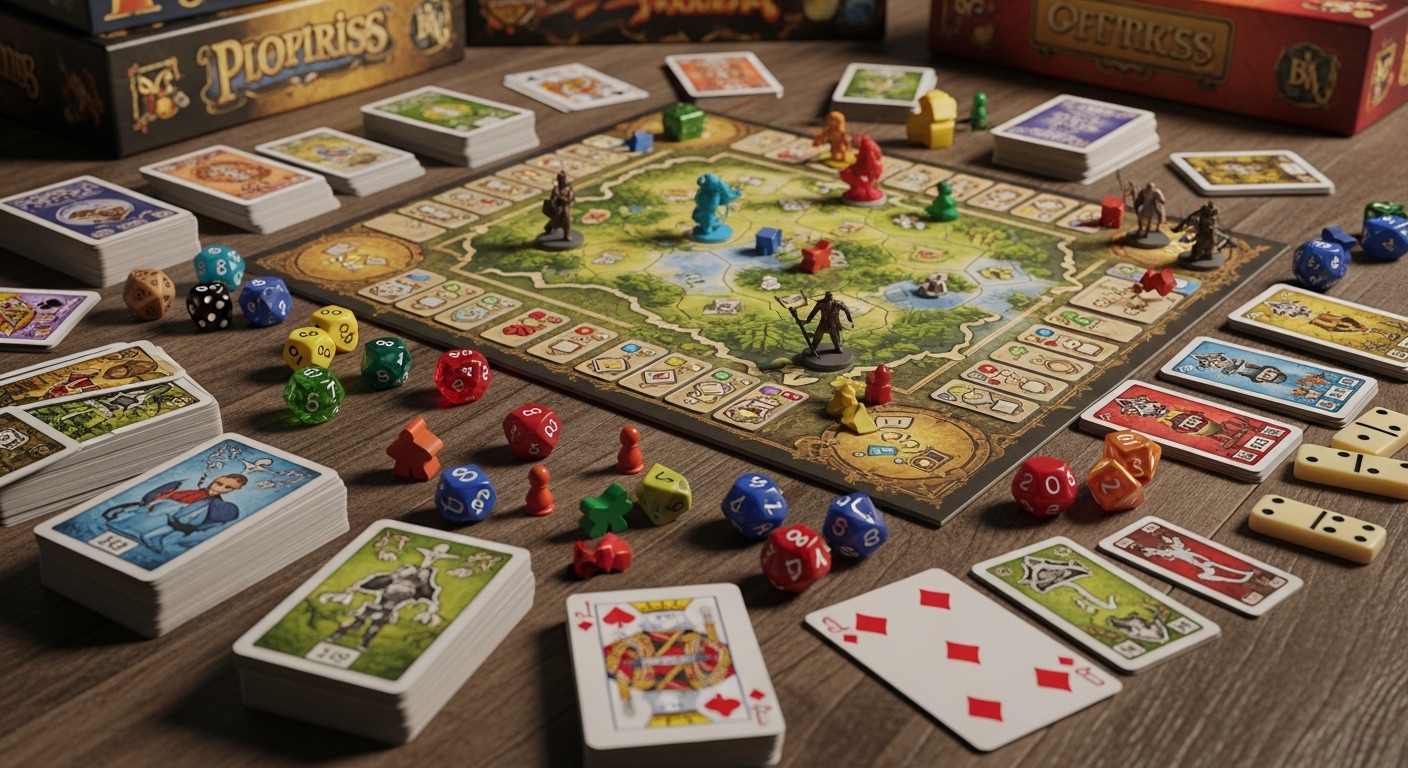
The history of games stretches back to ancient civilizations, where games were used for social interaction, education, and even military strategy. The Egyptians, Greeks, and Romans all had their own variations of games that involved dice, boards, and strategic elements. Some of the earliest known board games, such as Senet and Backgammon, date back thousands of years, and they were often played in a ritualistic or competitive context.
The first significant shift in gaming came during the 20th century with the advent of video games. The late 1950s and early 1960s saw the birth of computer-based gaming, which was limited to simple simulations and text-based games like “Spacewar!” and “Tennis for Two.” These early games were often played on mainframe computers and were the domain of researchers and universities. However, as personal computers became more affordable and accessible in the 1970s and 1980s, video games began to evolve into a mass-market phenomenon.
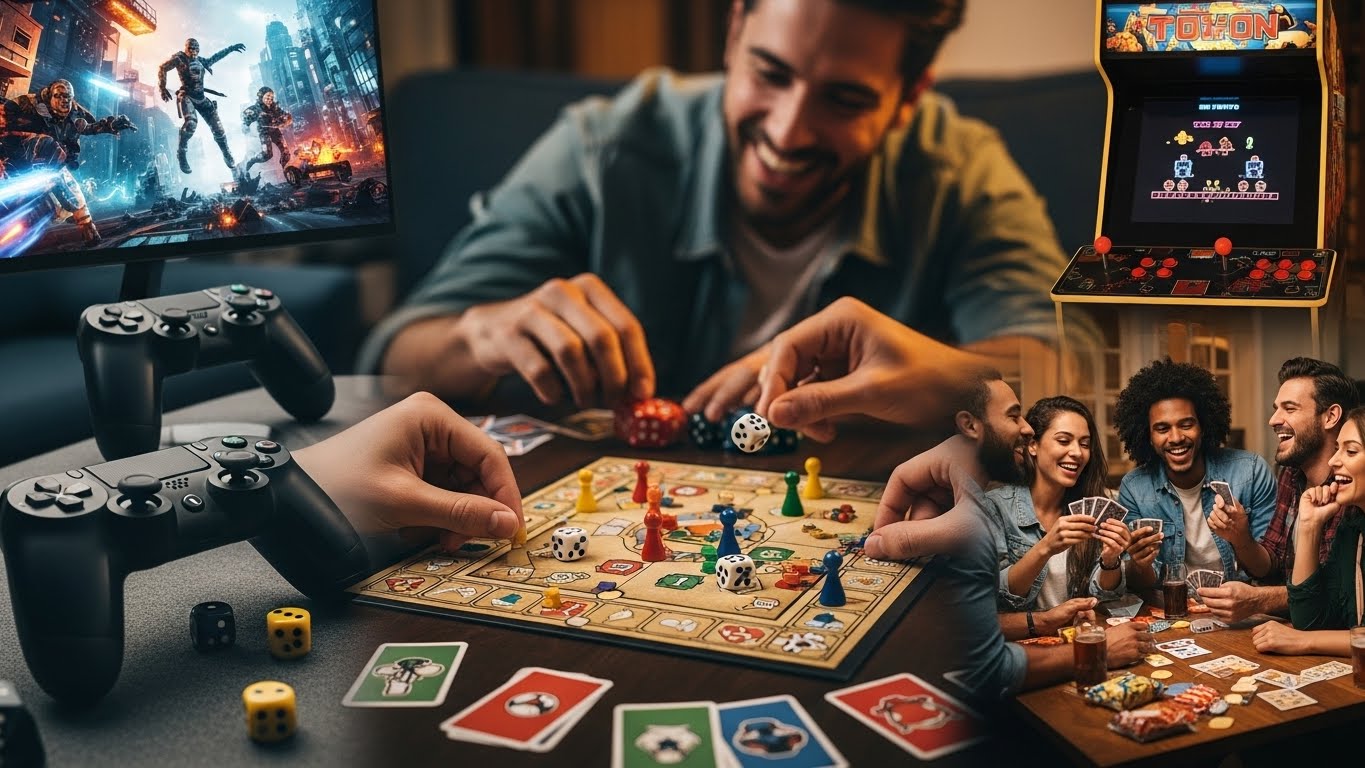
The 1980s marked the rise of arcade games, with classics like “Pac-Man,” “Space Invaders,” and “Donkey Kong” becoming global cultural icons. These games were simple yet addictive, drawing people into arcades to compete for high scores. This era also saw the birth of home console gaming with systems like the Atari 2600 and the Nintendo Entertainment System (NES). These consoles brought gaming into the homes of millions, and soon games like “Super Mario Bros.” and “The Legend of Zelda” became household names.
As the 1990s rolled in, the gaming industry underwent another transformation with the introduction of 3D graphics and more sophisticated gameplay mechanics. Titles like “Super Mario 64” and “The Legend of Zelda: Ocarina of Time” pushed the boundaries of what games could achieve in terms of storytelling, immersion, and technical innovation. The rise of the internet also brought multiplayer gaming to the forefront, allowing players to connect and compete with others around the world.
The Different Types of Games: Genres That Shape the Industry
Today, the gaming world is a vast and diverse landscape with something for everyone. Whether you enjoy action-packed adventures, strategic puzzles, or social simulations, there is a game that caters to your tastes. Games can be broadly categorized into several genres, each offering a unique experience.
Action Games
Action games are perhaps the most popular and widely recognized genre in the gaming world. These games are characterized by fast-paced gameplay that requires quick reflexes and coordination. Titles like “Call of Duty,” “Grand Theft Auto,” and “Fortnite” are staples in the action genre. Action games often emphasize combat, exploration, and intense moments that keep players on the edge of their seats. They can be single-player experiences or multiplayer games where players compete or cooperate in real-time.
Role-Playing Games (RPGs)
Role-playing games, or RPGs, offer players the opportunity to step into the shoes of a character and explore vast virtual worlds. These games typically feature complex storylines, character progression, and decision-making elements that influence the outcome of the game. Classic RPGs like “Final Fantasy,” “The Elder Scrolls,” and “The Witcher” have captivated millions of players with their rich narratives and immersive worlds. In recent years, online multiplayer RPGs like “World of Warcraft” and “Genshin Impact” have gained massive followings, allowing players to interact with others in shared virtual spaces.
Puzzle and Strategy Games
For those who enjoy critical thinking and problem-solving, puzzle and strategy games offer a rewarding challenge. Puzzle games like “Tetris” and “Candy Crush” are all about pattern recognition and mental agility, while strategy games like “Civilization” and “StarCraft” require players to plan, manage resources, and think several moves ahead. These games test a player’s intellect and decision-making skills, often providing a sense of satisfaction when a difficult problem is solved or a complex strategy pays off.
Simulation Games
Simulation games offer players the chance to experience a variety of real-world or fantastical scenarios. Whether it’s building a virtual city in “SimCity,” managing a farm in “Stardew Valley,” or flying a plane in “Microsoft Flight Simulator,” simulation games provide an outlet for creativity and exploration. These games can range from highly realistic to entirely fantastical, offering players a way to experiment with different experiences and scenarios.
Sports and Racing Games
Sports and racing games cater to fans of athletic competition and speed. From football simulations like “FIFA” and “Madden NFL” to racing games like “Need for Speed” and “Gran Turismo,” these games allow players to control their favorite athletes or race cars. Sports games often feature both single-player modes and multiplayer options, allowing players to compete against friends or other players online.
Indie Games
In recent years, the indie game scene has exploded in popularity, as small development teams or individual creators release games with unique artistic styles and innovative gameplay mechanics. Indie games like “Hollow Knight,” “Celeste,” and “Undertale” have gained critical acclaim for their creativity, emotional depth, and ability to push the boundaries of traditional game design. These games often have a more personal touch, offering experiences that are distinct from the larger, more commercial titles produced by major studios.
The Impact of Gaming on Society and Culture
Games are not just a form of entertainment; they have a profound impact on society and culture. As the gaming industry has grown, it has become an important part of our daily lives, influencing everything from social interactions to the economy.
Social Interaction and Online Communities
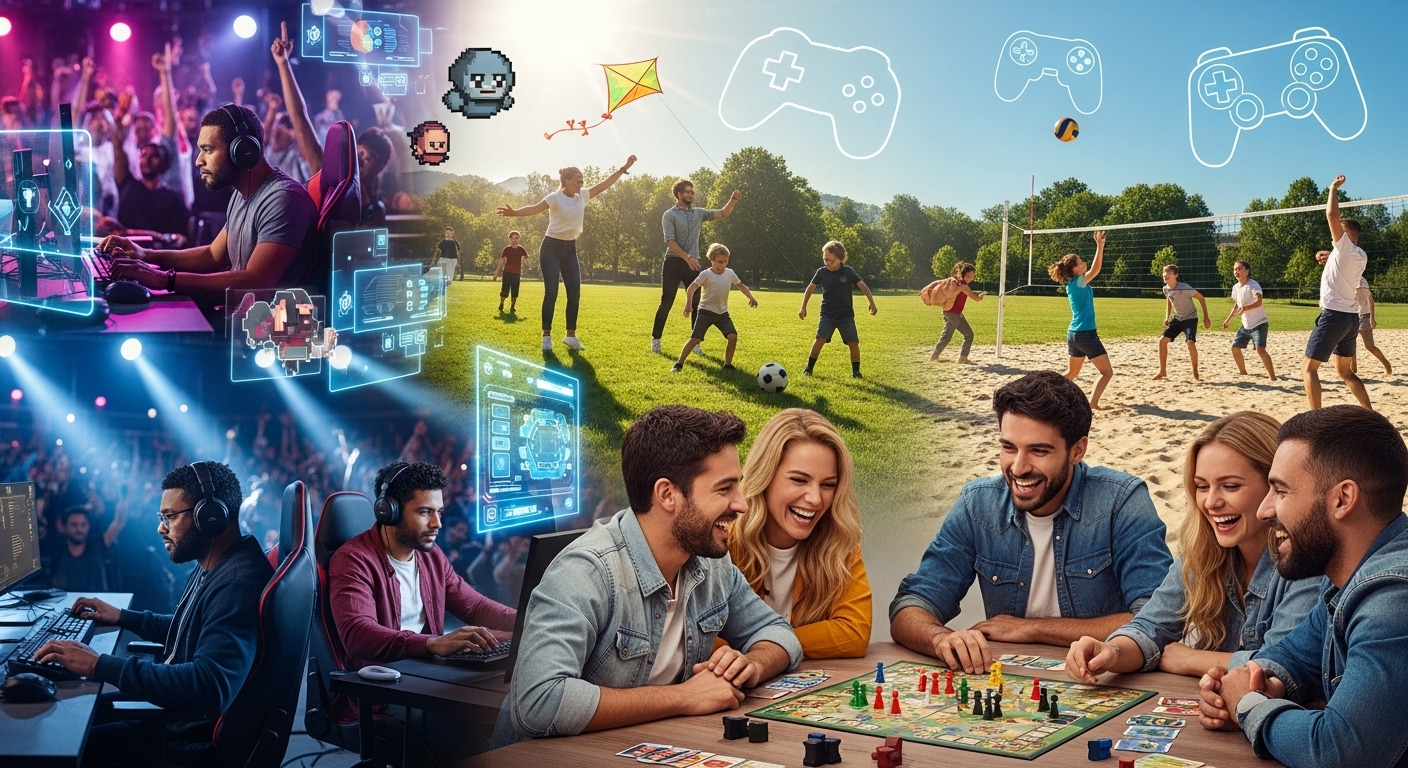
Multiplayer games, especially those with online components, have transformed the way people socialize. Games like “World of Warcraft,” “Fortnite,” and “Among Us” allow players to connect with others from around the world, forming friendships and communities based on shared interests. Online multiplayer games have become social hubs where players can team up with friends, join guilds, or compete in global tournaments. These games have also given rise to streaming platforms like Twitch, where gamers broadcast their gameplay to millions of viewers.
The ability to play games together, regardless of location, has brought people closer, and many gamers now consider their online friends just as important as those they know in real life. The shared experience of gaming has led to the formation of online communities, fan clubs, and even esports organizations.
Gaming as a Professional Career
As the gaming industry has grown, so too has the professional aspect of gaming. Competitive gaming, or esports, has become a billion-dollar industry, with professional players, coaches, and analysts earning substantial salaries. Major tournaments like the “League of Legends World Championship” and “The International” for “Dota 2” offer multi-million-dollar prize pools, attracting top-tier talent and audiences in the millions. In addition to competitive gaming, streaming platforms like Twitch and YouTube Gaming have allowed gamers to turn their passion into a career by building large audiences and monetizing their content.
Gaming and Mental Health
The relationship between gaming and mental health is a topic of ongoing discussion. While some argue that excessive gaming can lead to addiction or social isolation, others point to the positive aspects of gaming. Research has shown that games can have therapeutic benefits, including stress relief, cognitive enhancement, and the development of problem-solving skills. Additionally, games can provide a sense of achievement and purpose, especially in the context of challenging missions or goals.
However, it’s important to recognize the potential negative impact of excessive gaming. Like any form of entertainment, moderation is key. Players must balance their gaming habits with other aspects of their lives to ensure they maintain a healthy lifestyle.
The Future of Gaming: What’s Next?
The gaming industry continues to evolve, and the future holds exciting possibilities. Technological advancements, changes in player behavior, and the introduction of new gaming experiences will likely shape the next chapter in gaming history.
Virtual Reality and Augmented Reality
Virtual reality (VR) and augmented reality (AR) have the potential to revolutionize the gaming experience. VR allows players to immerse themselves fully in a digital world, while AR overlays virtual elements onto the real world. As VR and AR technology becomes more advanced and accessible, games will become even more immersive, allowing players to interact with virtual environments in new ways. Imagine exploring a fully realized 3D world or playing a game where virtual creatures interact with your real-world surroundings.
Cloud Gaming
Cloud gaming is another technology that is poised to change the way games are played. Platforms like Google Stadia and Microsoft’s Xbox Cloud Gaming allow players to stream games directly to their devices without the need for expensive hardware. This means that even players with low-end devices can enjoy high-quality games, as the processing is handled remotely. As internet speeds increase and infrastructure improves, cloud gaming could become the dominant way people play games.
AI-Driven Game Design
Artificial intelligence (AI) is already being used to enhance gameplay, but in the future, AI could play an even bigger role in game design. AI could be used to create more dynamic and adaptive gameplay, where non-playable characters (NPCs) learn from the player’s actions and respond accordingly. This would create a more personalized and unpredictable gaming experience, making games feel more alive and interactive.