Introduction
Strategy games have long been more than just a source of entertainment; they are a mental workout, a test of planning, problem-solving, and adaptability. From ancient games like chess and Go to modern digital titles such as Civilization, StarCraft, and Age of Empires, strategic gameplay demands deep thinking and foresight. Unlike fast-paced action games that rely on reflexes, strategy games reward patience, analysis, and long-term vision. Over the years, studies and real-world experiences have revealed that these games can actually improve cognitive abilities, shaping the way players think, make decisions, and interact with challenges in life.
This blog explores how strategy games enhance cognitive development, the different types of strategy games, the psychological processes they stimulate, and the long-lasting intellectual benefits they provide to players of all ages.
The Essence of Strategy Games
Strategy games are fundamentally about choices. Every decision a player makes has consequences that ripple through the rest of the game. Whether it’s managing resources, planning troop movements, or anticipating an opponent’s actions, the player must think critically and plan effectively. Unlike luck-based games, success in strategy titles depends largely on skill and intellect.
Most strategy games share a few core components: strategic planning, resource management, long-term thinking, and adaptability. They also require players to evaluate multiple variables simultaneously, from economic growth to defensive positioning. The ultimate goal is not just to react, but to anticipate.
The beauty of strategy games lies in their demand for analytical depth. Each playthrough becomes a mental puzzle, pushing the player to evaluate new solutions, test hypotheses, and learn from mistakes—skills directly applicable to real-life scenarios.
Historical Roots of Strategy Gaming
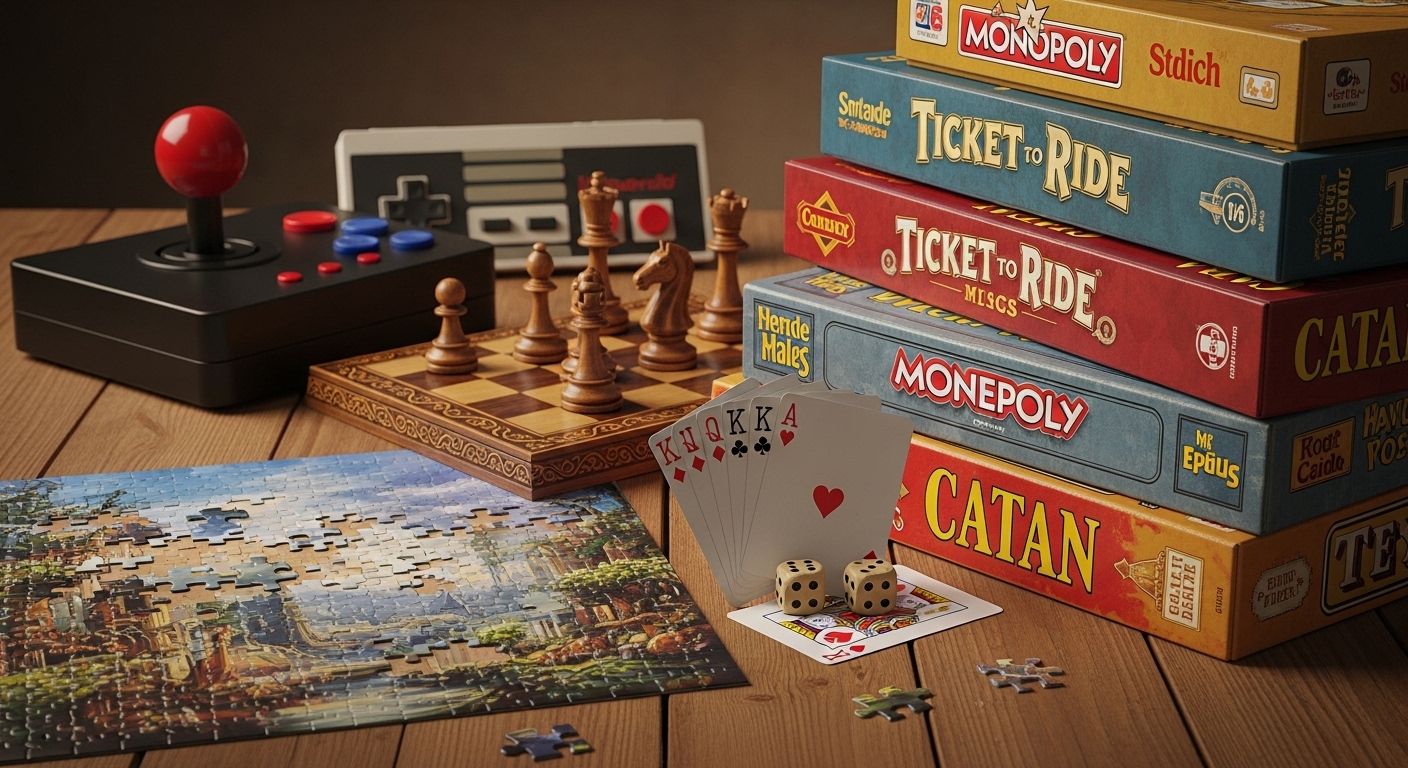
Before the digital revolution, humans were already indulging in strategy-based gameplay. Chess, created over a millennium ago, has served as the quintessential strategy game, symbolizing intelligence and tactical mastery. Similarly, Go, originating in ancient China, emphasizes spatial reasoning and long-term planning.
These early games inspired the foundation for modern strategy titles. When video games emerged, developers took inspiration from board games and war simulations. In the 1980s and 1990s, computer-based strategy games began to flourish, with franchises like Command & Conquer, Civilization, and Warcraft leading the charge. These titles expanded the boundaries of strategy, introducing real-time gameplay and complex systems that mirrored real-world decision-making processes.
The evolution of strategy games mirrors humanity’s growing fascination with systems thinking—the ability to understand how interconnected components create complex outcomes.
Categories of Strategy Games
Not all strategy games are created equal. They fall into different subgenres, each offering distinct types of cognitive challenges.
Real-Time Strategy (RTS)
In RTS games like StarCraft or Age of Empires, players must make quick decisions on the fly while managing multiple resources and units simultaneously. These games improve multitasking, reaction speed, and prioritization under pressure.
Turn-Based Strategy (TBS)
Turn-based games such as Civilization or XCOM allow players time to plan each move carefully. The slower pace promotes analytical thinking, long-term planning, and scenario simulation.
4X Strategy Games
The 4X genre—explore, expand, exploit, and exterminate—focuses on empire-building and resource management. Games like Stellaris and Civilization fall into this category. They help players develop patience, strategic foresight, and economic management skills.
Tower Defense and Tactical Games
These games, including titles like Bloons TD or Into the Breach, demand spatial reasoning and tactical placement. Players must anticipate enemy patterns and design effective defenses, improving pattern recognition and adaptive thinking.
Grand Strategy Games
Titles like Europa Universalis and Crusader Kings challenge players with political maneuvering, diplomacy, and long-term empire management. They stimulate systems thinking, negotiation skills, and sociopolitical awareness.
Each type of strategy game develops a unique set of mental abilities, but they all share a common thread: they reward critical thinking over impulsiveness.
Cognitive Skills Enhanced by Strategy Games
One of the most fascinating aspects of strategy games is how they nurture multiple dimensions of intelligence. These games stimulate both the logical and creative hemispheres of the brain, producing a blend of analytical and imaginative cognition.
1. Critical Thinking and Problem-Solving
Every turn or decision in a strategy game involves identifying problems, analyzing variables, and selecting optimal solutions. This iterative process trains players to evaluate outcomes before acting—a skill invaluable in business, academics, and life planning.
2. Memory and Information Retention
Many strategy games involve memorizing maps, resource patterns, enemy behaviors, and technology trees. The brain’s working memory gets constant exercise, improving both short-term recall and long-term memory formation.
3. Spatial and Strategic Awareness
Players must visualize territories, anticipate enemy moves, and recognize patterns on maps. This spatial reasoning ability is particularly beneficial in real-world fields like architecture, navigation, and engineering.
4. Decision-Making Under Pressure
Real-time strategy games especially enhance a player’s ability to make quick but accurate decisions in stressful situations. The need to prioritize tasks and allocate resources rapidly develops executive function and emotional regulation.
5. Planning and Foresight
Long-term planning is at the heart of every strategy game. Players learn to anticipate future events, allocate resources efficiently, and weigh risks versus rewards. This cognitive discipline mirrors effective life and career planning.
6. Adaptability and Flexibility
No strategy ever goes perfectly according to plan. Players often encounter unexpected events, forcing them to adapt and rethink strategies mid-game. This mental flexibility strengthens resilience and problem reorientation skills.
Strategy Games and Emotional Intelligence
Though often viewed through the lens of logic, strategy games also engage emotional intelligence. They teach patience, perseverance, and the ability to handle loss constructively. Losing a well-fought match encourages reflection, emotional regulation, and a desire for self-improvement.
In multiplayer settings, strategy games can improve empathy and social awareness. Players must read opponents’ intentions, negotiate alliances, and understand psychological motivations—skills relevant to teamwork and leadership.
Furthermore, success in strategy games often requires delayed gratification. Instead of pursuing immediate rewards, players must think long-term, developing discipline and emotional maturity.
Educational and Professional Benefits
Strategy games are not just hobbies—they are tools for learning and professional development. Educators and researchers have discovered that strategy-based games can be effective in improving academic performance and cognitive function.
In Education
Many schools have introduced strategy-based learning platforms to improve student engagement. Games that mimic economic systems, political simulations, or scientific models encourage analytical thinking and curiosity. They make abstract concepts tangible and interactive.
In Business and Leadership
Corporate leaders often use strategy simulations to enhance decision-making and risk management skills. The process of analyzing markets, allocating resources, and predicting competitors’ moves mirrors real-world business challenges.
In Military and Policy Planning
Military academies worldwide have used strategy games and simulations to train officers in tactics, logistics, and strategic foresight. The ability to predict enemy behavior and plan contingencies translates directly to real-world defense planning.
The Science Behind Cognitive Benefits
Neurological studies have shown that engaging in strategic thinking activates regions of the brain associated with memory, reasoning, and problem-solving—especially the prefrontal cortex and hippocampus. Regular players of strategy games often exhibit improved neural connectivity and enhanced cognitive flexibility.
A consistent theme across scientific research is that strategy games promote what psychologists call “executive function”—the mental processes that control planning, attention, and goal-directed behavior. By training these functions through play, individuals improve their ability to handle complex real-life tasks.
Additionally, the mental stimulation from strategy games has been linked to delaying cognitive decline in older adults. Just as physical exercise strengthens the body, mental exercises like strategy gaming strengthen the brain.
Social and Cultural Aspects of Strategy Gaming
Strategy games have also created communities that foster collaboration, communication, and shared learning. Whether through online tournaments or cooperative campaigns, players engage in discussions that enhance critical discourse and collective intelligence.
Cultural influences also play a role. For instance, Japanese and Korean strategy games often emphasize meticulous planning and aesthetics, while Western titles tend to focus on exploration and conquest. These cultural differences showcase the universality of strategic thought across human societies.
In today’s connected world, strategy games serve as global classrooms, uniting players across languages and backgrounds through shared intellectual challenges.
Strategy Games as a Tool for Mental Wellness
In addition to cognitive gains, strategy games can contribute positively to mental health. They provide a sense of control, purpose, and achievement—elements often linked to psychological well-being. The structured nature of these games helps players find order amid chaos, making them therapeutic for individuals dealing with anxiety or stress.
Moreover, strategy games can encourage mindfulness. The concentration required during play allows individuals to focus intensely, temporarily disconnecting from external worries. This meditative immersion helps reduce mental fatigue and fosters clarity of thought.
The Future of Strategy Gaming
As technology advances, strategy games are becoming even more sophisticated. Artificial intelligence and procedural generation are creating new layers of complexity, making games more dynamic and realistic. Players are no longer just competing against human opponents—they’re testing themselves against adaptive AI systems that learn and evolve.
Virtual reality and augmented reality are also redefining the strategic experience. Imagine standing on a digital battlefield, directing troops with hand gestures, or planning a civilization’s growth from an immersive 3D interface. These innovations will deepen cognitive engagement, merging tactical reasoning with sensory immersion.
Additionally, mobile strategy games are making strategic thinking accessible to broader audiences. With smartphones enabling global play, more people are experiencing the mental benefits of strategic engagement, blurring the line between casual gaming and intellectual development.
Challenges and Balance
While strategy games have undeniable benefits, moderation is essential. Overindulgence can lead to mental fatigue or distraction from other responsibilities. The key lies in balance—using strategy games as tools for cognitive stimulation, not escapism.
Parents and educators can harness the positive potential of these games by integrating them into structured learning environments. When played with intention, they become instruments of education, discipline, and growth.
Conclusion
Strategy games stand as a testament to the power of play as a vehicle for intellectual and emotional development. They are not just pastimes—they are simulations of life’s challenges, teaching critical thinking, adaptability, and foresight. From ancient chessboards to futuristic virtual worlds, strategy games have consistently trained the human mind to plan, analyze, and evolve.
Their cognitive benefits are vast: improved memory, sharper decision-making, enhanced problem-solving, and emotional intelligence. They bridge the gap between entertainment and education, merging fun with intellectual rigor.
In a world that values creativity and strategic foresight, the lessons learned from strategy games go far beyond the screen. They remind us that every move matters, every decision carries weight, and every failure is a chance to learn. Strategy gaming, at its core, is a reflection of the human desire to think, adapt, and conquer—both in the virtual world and in life itself.