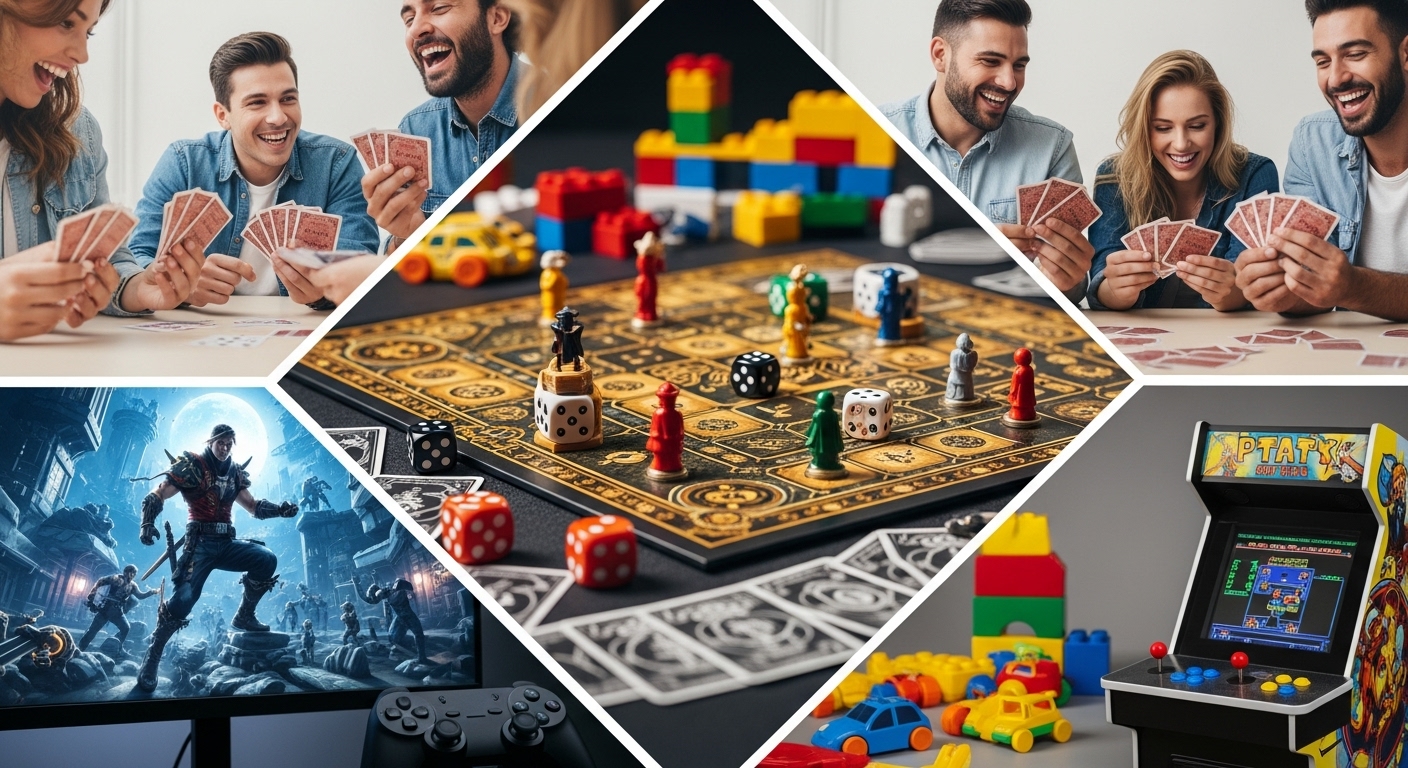
Games have been a part of human civilization for thousands of years. From ancient board games like Senet in Egypt to modern video games, humans have always sought out ways to challenge themselves, connect with others, and explore new worlds through play. What began as simple entertainment has evolved into a global phenomenon that touches nearly every aspect of culture, education, and technology. Today, games are not just a hobby; they are a medium for creativity, social connection, and personal growth.
The History of Games: From Ancient Times to Modern Classics
Games have existed for millennia. Ancient civilizations created board games and strategy challenges to teach skills, entertain royalty, and foster competition. Senet, dating back over 5,000 years, is one of the oldest known games. Similarly, chess and Go emerged as strategic pastimes in different parts of the world, emphasizing critical thinking, foresight, and planning.
The 20th century introduced the world to modern tabletop games like Monopoly and Scrabble, bringing people together in homes and communities. These games encouraged social interaction, negotiation, and problem-solving while providing a source of entertainment for families and friends.
The late 20th century brought the rise of video games, transforming how people interact with games entirely. Arcade machines, home consoles, and early PC games introduced interactive challenges that combined skill, strategy, and narrative. Iconic franchises like Super Mario, The Legend of Zelda, and Tetris became cultural milestones, influencing generations of gamers.
The Evolution of Video Games
Video games have evolved at an unprecedented pace. From simple 2D pixel graphics to fully immersive 3D environments, technology has allowed games to become increasingly realistic and engaging. Modern consoles and high-performance PCs enable developers to create expansive open worlds, cinematic narratives, and intricate gameplay mechanics that rival even the most complex storytelling mediums.
Artificial intelligence has played a key role in enhancing game design. Enemies and characters now react intelligently to players’ actions, creating dynamic and unpredictable gameplay. Physics engines simulate realistic environments, making every interaction feel natural. These advancements make games more than just a form of entertainment—they have become interactive experiences that challenge and immerse players in unique ways.
The Psychology of Gaming
Games are designed to engage the human mind. They offer challenges that require critical thinking, creativity, and quick decision-making. Puzzle games encourage problem-solving, strategy games require careful planning, and fast-paced action games enhance reflexes and coordination.
Moreover, games often tap into emotional and psychological responses. Narrative-driven games create empathy, allowing players to connect with characters and explore complex moral choices. Competitive games provide excitement, motivation, and a sense of achievement, satisfying the human desire for mastery and recognition.
Games also offer a safe space for experimentation and risk-taking. Players can try strategies, explore worlds, and face consequences without real-world repercussions, providing a form of experiential learning that is both engaging and educational.
Games as a Social Platform
The social dimension of games has grown dramatically in recent years. Online multiplayer games, social networks, and streaming platforms have transformed gaming into a shared experience. Players from around the world can collaborate, compete, and build communities centered on their favorite games.
Games like Fortnite, League of Legends, and Minecraft have created social ecosystems where friendships, teamwork, and even professional careers are formed. Esports competitions draw millions of viewers, offering both entertainment and inspiration. Watching skilled players and teams compete has become a cultural event, showing that games are more than just personal hobbies—they are a collective phenomenon.
Games and Education
Games have enormous educational potential. Serious games and gamified learning platforms engage learners in ways traditional teaching methods cannot. Simulations, strategy games, and role-playing experiences teach skills like problem-solving, resource management, and critical thinking.
Even mainstream games offer educational benefits. History-based games introduce players to different eras, cultures, and events. Science and math skills can be developed through complex strategy games or physics-based challenges. Furthermore, storytelling games enhance literacy, empathy, and comprehension.
This fusion of entertainment and education demonstrates that games are not only fun—they can be powerful tools for learning and personal development.
The Rise of Mobile and Indie Games
Mobile gaming has brought games to a wider audience than ever before. Smartphones and tablets have made gaming accessible to people who may never have owned a console or high-end PC. Casual games like puzzles, strategy challenges, and interactive storytelling appeal to a broad demographic, allowing individuals to enjoy gaming in short bursts throughout their day.
Indie games have also revolutionized the gaming industry. Independent developers push boundaries by experimenting with new mechanics, artistic styles, and narratives. Games like Hollow Knight, Celeste, and Hades have proven that small teams can create deeply meaningful and innovative experiences. Indie games often focus on creativity and storytelling rather than solely on graphics or scale, adding diversity and originality to the gaming landscape.
The Cultural Impact of Games
Games influence culture in profound ways. They shape trends, inspire art and literature, and spark conversations about social issues. Popular games often reflect contemporary values and concerns, exploring topics like identity, morality, and community.
Gaming culture also fosters creativity among players. Mods, fan art, cosplay, and fan fiction allow enthusiasts to interact with their favorite games beyond playing them. This participatory culture transforms games into a platform for self-expression and creativity, reinforcing the idea that games are a medium that extends far beyond screens and controllers.
Challenges in the Gaming World
While games offer numerous benefits, the industry and its players face challenges. Addiction and excessive screen time can negatively impact health and relationships. Online toxicity and harassment remain significant concerns, particularly in competitive or social multiplayer environments.
Additionally, representation and diversity in games continue to evolve. While strides have been made to include diverse characters and stories, there is still room for improvement to ensure that all players feel seen and included. Developers, communities, and players all play roles in fostering inclusive and positive gaming environments.
The Future of Games
The future of gaming is full of exciting possibilities. Virtual reality, augmented reality, and cloud gaming are reshaping how players interact with games. Fully immersive experiences may allow players to physically inhabit game worlds, while AI-driven storytelling could adapt narratives to individual choices in real time.
Cross-platform and cloud-based gaming will make high-quality experiences more accessible, removing barriers related to hardware and location. Multiplayer experiences will continue to grow, emphasizing social interaction, collaboration, and community-building.
As technology advances, games may continue to blend entertainment, education, and social connection, becoming an even more integral part of human experience.
Conclusion
Games have evolved from simple pastimes into complex, multifaceted experiences that touch nearly every aspect of modern life. They challenge our minds, inspire creativity, foster social connections, and reflect the culture of the times. From ancient board games to immersive virtual worlds, games have consistently provided both enjoyment and insight.
They are more than entertainment—they are a form of art, a tool for education, and a platform for social connection. Games encourage exploration, learning, and personal growth, offering experiences that are uniquely engaging and rewarding.
As technology advances and gaming continues to evolve, one thing remains certain: games will continue to shape how we think, play, and connect. They are not merely a hobby; they are a window into human creativity, intelligence, and culture, offering endless possibilities for generations to come.