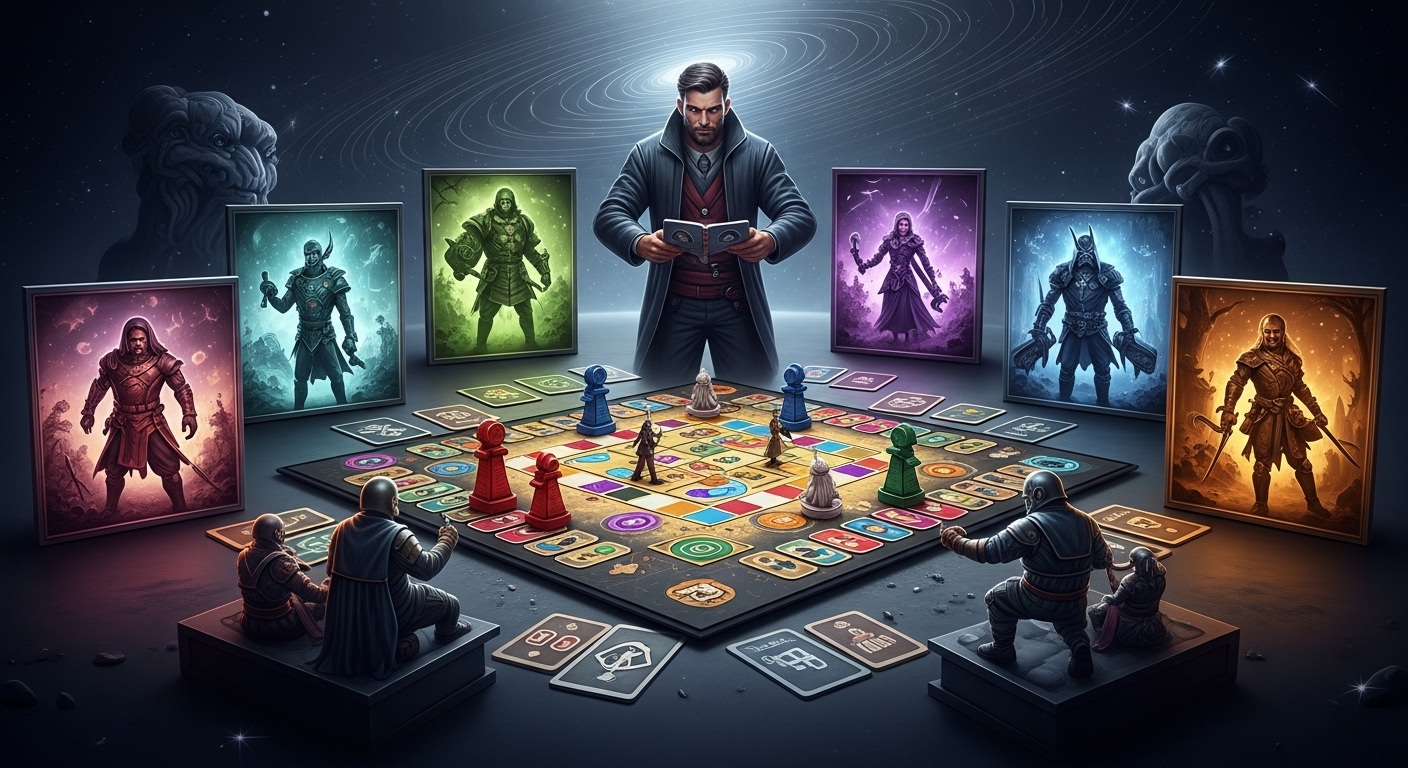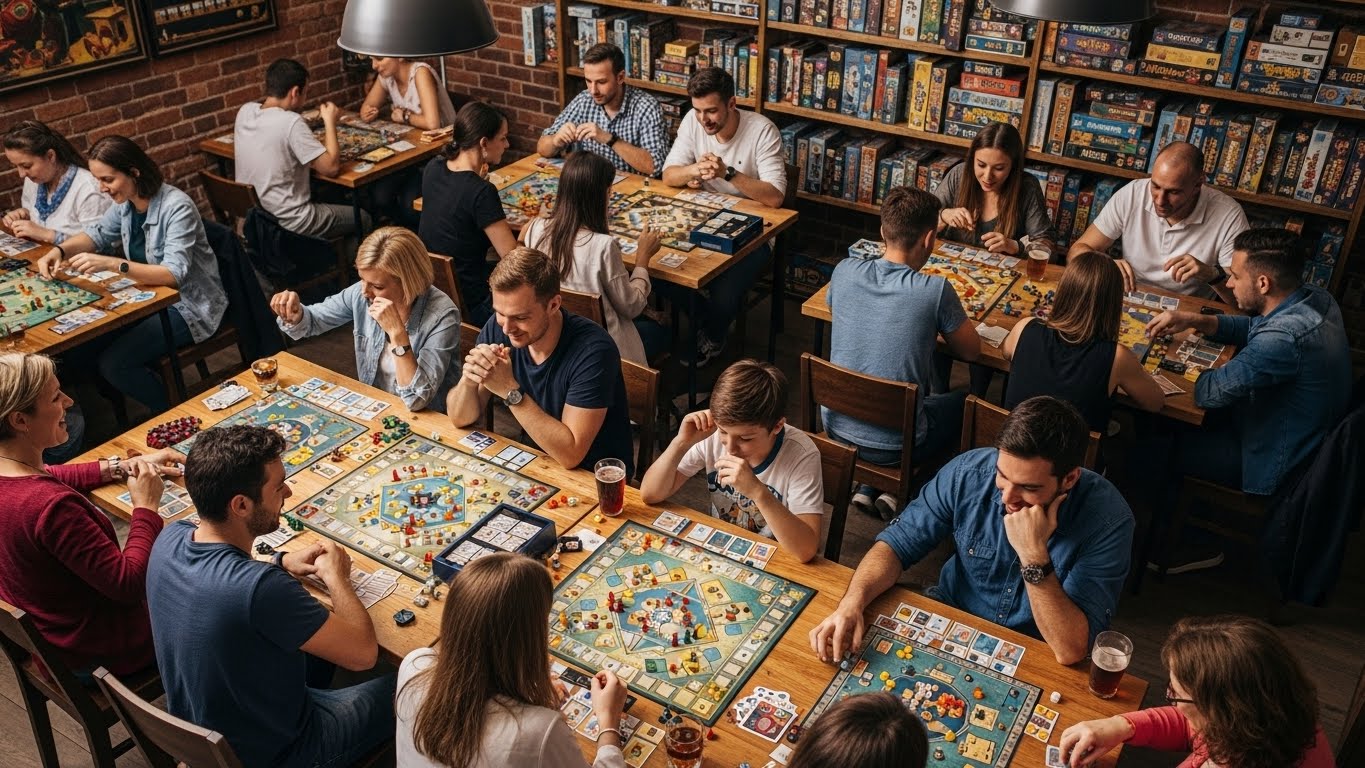

Games have always been a vital part of human life. From ancient board games and puzzles to modern digital adventures, games provide entertainment, challenge, and social connection. They are not merely pastimes; they are tools for learning, creativity, and cultural expression. Games captivate millions worldwide, offering experiences that stimulate the mind, evoke emotions, and foster social interaction. This blog explores the expansive world of games, their history, evolution, genres, cultural significance, and their role in shaping modern entertainment.
The Origins of Games
The history of games dates back thousands of years. Early humans created games to pass time, develop skills, and build community. Board games such as Senet in ancient Egypt and Go in ancient China offered both entertainment and strategic challenge. These games were often tied to social rituals, education, and culture, demonstrating that play has always had significance beyond amusement.
Card games and dice introduced elements of chance, competition, and strategy. These traditional games influenced social interaction and provided a foundation for modern gaming culture. Through games, people learned rules, ethics, and problem-solving skills while enjoying shared experiences with others.
The Evolution of Digital Games
The advent of computers and video game consoles transformed gaming forever. Early electronic games were simple but innovative, offering challenges that required focus, speed, and coordination. Classics like Pong, Space Invaders, and Pac-Man introduced the world to interactive entertainment, paving the way for more complex experiences.
Home consoles in the 1980s and 1990s, such as the Nintendo Entertainment System and Sega Genesis, brought gaming into living rooms worldwide. These platforms introduced iconic franchises that remain popular today, while personal computers enabled more complex games with immersive storytelling, strategy, and multiplayer capabilities. Digital gaming became not only a pastime but also a medium for artistic expression and technological innovation.
The Diversity of Game Genres
One of the most fascinating aspects of games is their diversity. Different genres cater to varied interests and playing styles, ensuring that everyone can find a type of game that suits them.
Action Games test reflexes, timing, and precision. They often feature fast-paced combat, exploration, and problem-solving under pressure.
Adventure Games focus on storytelling and exploration. Players unravel mysteries, solve puzzles, and immerse themselves in rich narratives.
Role-Playing Games (RPGs) allow players to assume characters and make decisions that affect the story and the world. These games emphasize progression, strategy, and emotional investment.
Simulation Games replicate real-world activities, such as city-building, farming, or business management. They teach strategy, resource management, and creativity.
Sports and Racing Games provide competitive excitement and skill-based challenges, letting players experience athletic competition in a digital format.
Puzzle Games challenge logic, reasoning, and pattern recognition, stimulating mental agility and problem-solving.
The diversity of genres demonstrates that games are inclusive, offering experiences for casual players, competitive enthusiasts, and creative thinkers alike.
Social Interaction Through Games
Games are not just about individual play—they are a means of social interaction. Multiplayer games connect players from different parts of the world, allowing collaboration, competition, and community building. Online platforms create spaces where people can form friendships, join guilds or clans, and participate in cooperative missions.
Games also provide opportunities for family bonding and social engagement. Board games, card games, and cooperative video games encourage teamwork, communication, and shared enjoyment. The social aspect of gaming reinforces human connection, making play a valuable medium for building relationships.
The Rise of Esports
Competitive gaming, or esports, has emerged as a major segment of the gaming industry. Esports tournaments attract millions of viewers, professional players, and sponsorships. Games like League of Legends, Dota 2, and Fortnite have become global spectacles, with organized leagues, coaches, analysts, and dedicated fan communities.
Esports transforms gaming from a hobby into a profession. Players can pursue careers as professional gamers, streamers, or content creators. Esports also promotes teamwork, strategy, and dedication, highlighting the skill and preparation required to compete at the highest level.
The Cognitive and Psychological Benefits of Games
Games offer numerous cognitive and psychological benefits. Strategy and puzzle games improve problem-solving, critical thinking, and memory. Action games enhance reflexes, hand-eye coordination, and spatial awareness. Multiplayer and cooperative games develop communication, teamwork, and leadership skills.
Emotionally, games provide relaxation, stress relief, and a sense of achievement. They offer safe spaces to experiment, explore, and express oneself. Many games also encourage perseverance, creativity, and adaptability, making them valuable tools for personal growth and mental well-being.
Games as a Medium for Storytelling
Modern games are not only interactive experiences but also vehicles for storytelling. Developers create intricate narratives, immersive worlds, and memorable characters that engage players emotionally. Unlike traditional media, games allow players to influence outcomes, making each experience unique.
Games blend art, music, writing, and technology to deliver narratives that are immersive and engaging. From epic role-playing games to narrative-driven indie titles, gaming demonstrates that entertainment can be both fun and emotionally impactful. Games provide players with a sense of agency, allowing them to shape stories while exploring complex themes.
The Technological Evolution of Games
Technology drives innovation in gaming. High-definition graphics, realistic physics engines, artificial intelligence, and immersive sound design create lifelike experiences. Virtual reality (VR) and augmented reality (AR) offer unprecedented immersion, allowing players to physically step into game worlds.
Cloud gaming and streaming platforms remove hardware limitations, making high-quality gaming accessible to broader audiences. Artificial intelligence enhances gameplay, creating adaptive challenges and smarter opponents. These technological advancements ensure that gaming continues to evolve, offering ever more engaging and immersive experiences.
Economic Significance of the Gaming Industry
The gaming industry is a global economic powerhouse. It generates billions of dollars annually through game sales, subscriptions, in-game purchases, merchandise, and esports. The industry employs creative, technical, and business professionals, contributing to global employment and economic growth.
Major gaming events, such as conventions and tournaments, attract tourism, stimulate local economies, and provide marketing opportunities for developers and brands. Gaming’s economic impact illustrates its importance not only as entertainment but also as a significant cultural and commercial force.
Cultural Influence of Games
Games influence culture in profound ways. They inspire fan art, social media communities, cosplay, and creative content creation. Gaming terminology and references have entered mainstream language, reflecting the medium’s cultural significance.
Games often explore themes such as morality, identity, society, and human relationships, offering players a lens through which to examine the world. Cultural representation in games fosters empathy and understanding, allowing players to experience diverse perspectives. Gaming has become both a mirror and a driver of cultural trends.
Challenges in the Gaming World
Despite its success, the gaming industry faces challenges. Excessive gaming can lead to addiction, social isolation, and health concerns. Developers and communities must encourage responsible gaming habits and ensure that games are designed ethically.
Online harassment, cheating, and toxic behavior are issues in multiplayer gaming that require monitoring and community management. Additionally, piracy and intellectual property protection remain ongoing challenges for developers. Addressing these issues ensures a sustainable, safe, and enjoyable gaming environment.
The Future of Gaming
The future of gaming promises continued growth, innovation, and cultural impact. Artificial intelligence, cloud technology, VR, AR, and machine learning will transform gameplay, creating personalized, immersive, and interactive experiences. Cross-platform gaming will enhance accessibility, allowing players to connect seamlessly across devices.
Games will also expand beyond entertainment into education, professional training, and social engagement. Interactive storytelling and gamified experiences will offer new ways to learn, collaborate, and connect globally. Gaming will continue to evolve as a cultural, technological, and social phenomenon with lasting influence.
Conclusion
Games are far more than entertainment—they are a dynamic and multifaceted cultural force. From ancient board games to modern digital experiences, games challenge the mind, foster creativity, and connect people across the globe. They provide cognitive, emotional, and social benefits while reflecting cultural values and inspiring innovation.
As technology advances and gaming communities grow, games will continue to redefine how we play, learn, and interact. They offer immersive worlds, compelling narratives, and opportunities for connection that extend far beyond the screen. Gaming is an infinite playground, and its impact on culture, entertainment, and human experience will continue to expand for generations to come.