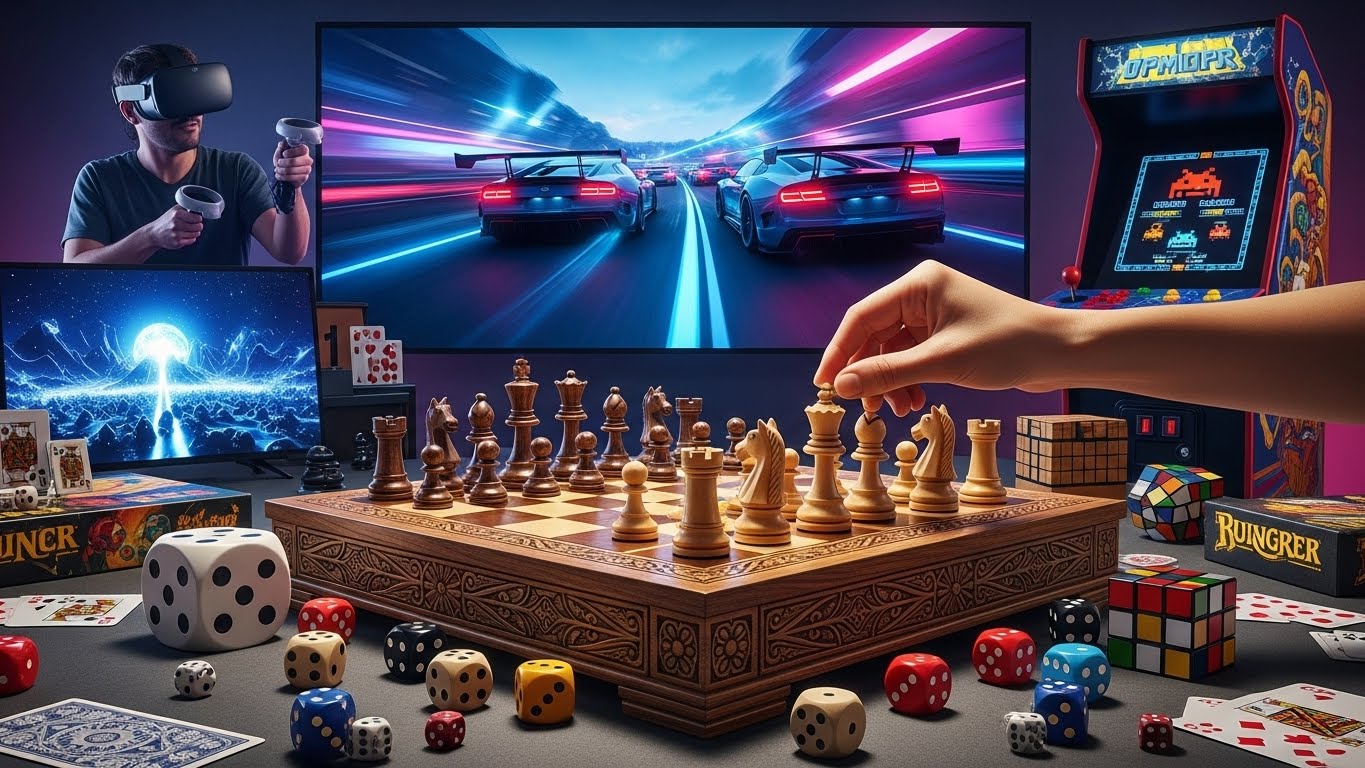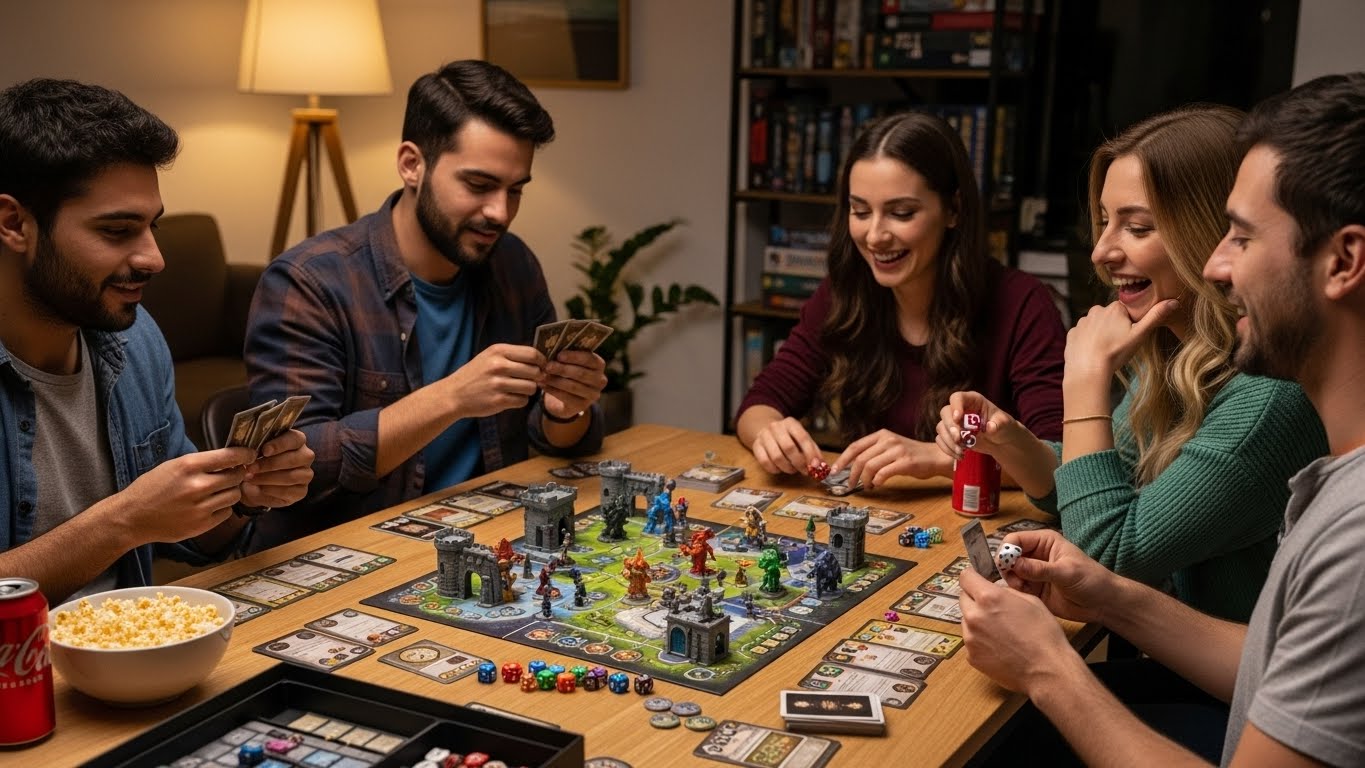
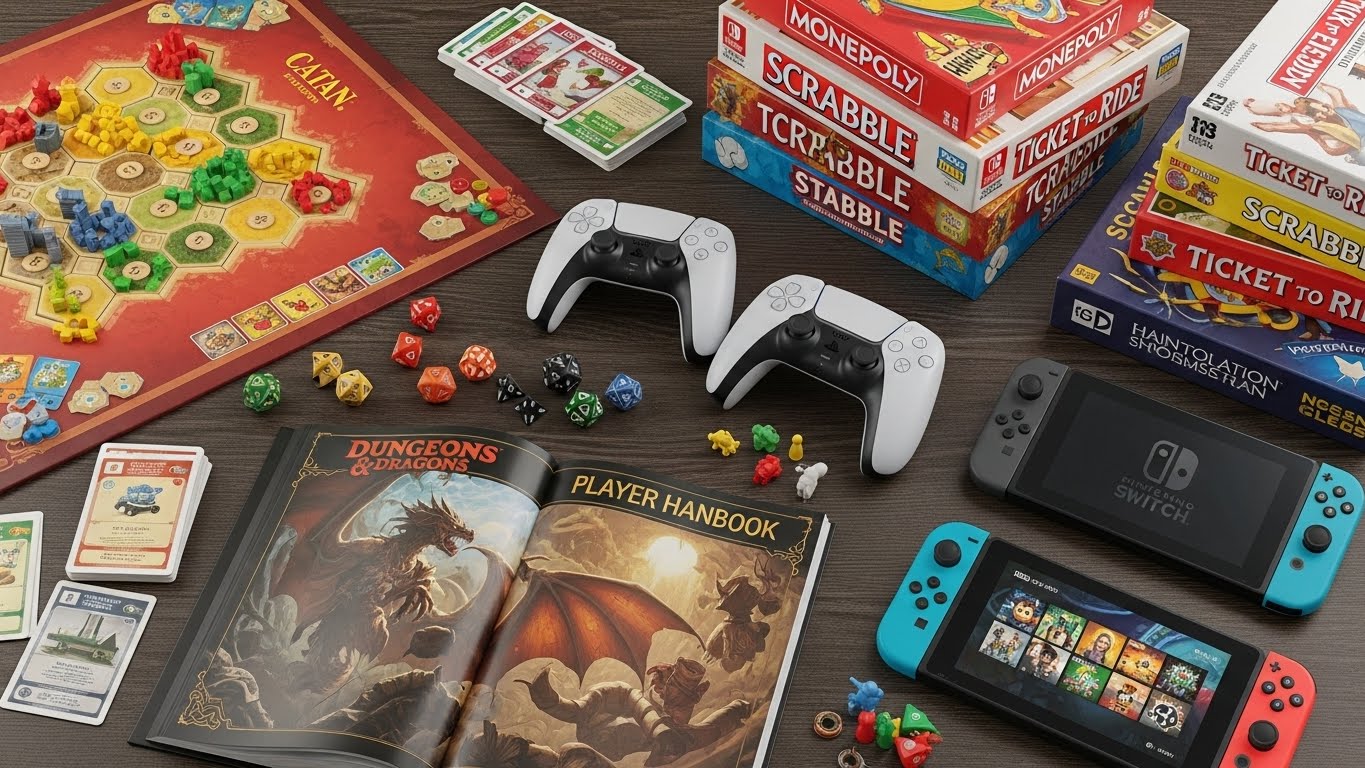
Games have been an essential part of human life for thousands of years. From ancient board games carved in stone to the most immersive digital experiences today, games serve as a source of entertainment, education, and social connection. They challenge us, inspire creativity, and help shape how we interact with the world. In this blog, we explore the multifaceted world of games, their history, impact on the human mind, and why they remain an integral part of society.
The Evolution of Games: From Ancient Play to Modern Experiences
Games have existed for millennia, reflecting humanity’s natural desire for competition, problem-solving, and social interaction. Ancient civilizations created games to entertain, educate, and even teach strategy. Examples include Senet in Egypt, Go in China, and Mancala across Africa and the Middle East. These early games combined skill, chance, and strategy, laying the foundation for modern gaming.
With the invention of modern board games in the 19th and 20th centuries, games became widely accessible to households around the world. Chess, Monopoly, and Scrabble offered structured play that challenged the mind while fostering social interaction.
The digital revolution in the late 20th century brought a new era of games. Video games introduced interactivity, immersive worlds, and complex storytelling, allowing players to experience challenges and adventures beyond the limitations of the physical world. Today, games span physical, digital, and hybrid formats, appealing to all ages and interests.
The Role of Games in Developing Cognitive Skills
Games are not only fun; they also develop the mind. Many games require strategic thinking, problem-solving, and quick decision-making. Board games like chess or Go train players to anticipate opponents’ moves and plan several steps ahead. Puzzle games enhance logical reasoning and pattern recognition.
Video games also offer cognitive benefits. Strategy-based digital games improve multitasking and planning, while fast-paced action games enhance reflexes and hand-eye coordination. Even simple games like word puzzles or trivia quizzes stimulate memory and attention. By combining entertainment with mental challenge, games offer a unique platform for brain development.
Games as a Tool for Social Interaction
Games have always been a social medium. They bring people together through shared goals, competition, and collaboration. Family game nights, casual board games with friends, or online multiplayer experiences all create opportunities for connection.
Digital games, in particular, have expanded the social potential of play. Multiplayer online games allow people from different continents to interact, collaborate, and compete in real time. Players form teams, join guilds, and build communities around shared interests. These experiences foster communication, teamwork, and leadership skills while creating lasting friendships.
Games demonstrate that social bonds can be formed in any environment, whether around a table or through a virtual world.
The Rise of Competitive Gaming
Competitive gaming, known as esports, has become a global phenomenon. Professional players train for hours, mastering skills, strategy, and teamwork. Tournaments attract millions of viewers, and prize pools can reach millions of dollars.
Esports has changed the perception of games from casual entertainment to serious competition. It emphasizes discipline, practice, and strategy, much like traditional sports. Competitive gaming provides opportunities for professional careers, streaming, and content creation. The rise of esports also inspires younger generations to see games as both a form of enjoyment and a potential path to personal achievement.
Games and Creativity
Games often inspire creativity, both in play and creation. Sandbox games, simulation games, and role-playing adventures allow players to design worlds, characters, and stories. Players experiment with building structures, crafting narratives, and solving problems in ways that require imagination and originality.
Even traditional games stimulate creative thinking. Designing strategies, anticipating outcomes, and adapting to changing rules require flexibility and inventive problem-solving. For many, games are a platform to explore new ideas and express themselves artistically, whether through game modifications, content creation, or personal storytelling.
Emotional and Psychological Benefits of Games
Games impact more than just the mind—they also influence emotions. They provide a safe environment to experience success, failure, and challenge, which can improve resilience and emotional regulation.
Playing games can reduce stress by offering an escape from daily pressures. Immersive gameplay provides relaxation, excitement, and accomplishment. Cooperative games foster empathy and understanding, while competitive play teaches patience, persistence, and sportsmanship. Games encourage players to engage with emotions productively, making them a valuable tool for mental and emotional well-being.
The Educational Potential of Games
Games are increasingly recognized as educational tools. Educational games make learning interactive and engaging, offering experiences that are both enjoyable and instructive. Subjects such as mathematics, science, history, and language can be taught through well-designed games.
Simulation games provide practical learning experiences. For example, flight simulators teach aviation principles, while strategy games explore economics and resource management. Games also improve soft skills such as collaboration, critical thinking, and adaptability. By combining fun with education, games help learners of all ages absorb knowledge in ways traditional methods may not.
Digital Gaming: Expanding Horizons
The digital era has revolutionized how games are played. Consoles, computers, mobile devices, and virtual reality platforms allow players to experience games in ways never before possible. Digital games offer immersive environments, interactive storytelling, and real-time global collaboration.
Virtual reality games create a fully immersive experience where players can explore new worlds, interact with objects, and engage physically with challenges. Online multiplayer platforms enable collaboration and competition on a global scale. Mobile games provide convenient, accessible entertainment for casual players.
Digital gaming has made games more inclusive, engaging, and diverse, expanding the definition of play and creating opportunities for millions worldwide.
Games and Culture
Games influence and reflect culture. They tell stories, explore societal issues, and create shared experiences. Cultural narratives are embedded in game worlds, offering players insight into history, beliefs, and social dynamics.
Video games often draw inspiration from mythology, literature, and real-world events. Board games reflect traditions, strategies, and values. Games become a medium through which societies express identity, challenge norms, and explore human experiences. They also provide a platform for dialogue and creativity, bridging cultural and generational gaps.
The Future of Games
The future of games is filled with innovation. Emerging technologies such as artificial intelligence, virtual reality, and augmented reality will transform the gaming experience. AI-driven narratives may adapt in real-time to players’ choices, creating unique experiences. Virtual worlds will become more interactive, lifelike, and personalized.
Games will continue to integrate with education, social interaction, and professional opportunities. Their impact will extend beyond entertainment, shaping how people learn, communicate, and engage with the world. The possibilities are limitless, and the evolution of games promises even more immersive and meaningful experiences.
Conclusion: Why Games Matter
Games are far more than a source of entertainment. They develop the mind, encourage creativity, strengthen social bonds, and provide emotional fulfillment. They challenge us, inspire us, and connect us with others in ways that few other activities can.
From ancient board games to modern digital adventures, games reflect the human desire for play, imagination, and connection. They are cultural artifacts, educational tools, creative platforms, and sources of joy. As technology evolves, games will continue to influence our minds, hearts, and societies, proving that the power of play is timeless and universal.
Games are not just about winning or losing; they are about learning, growing, creating, and connecting. They remind us that play is not a luxury but an essential part of the human experience.