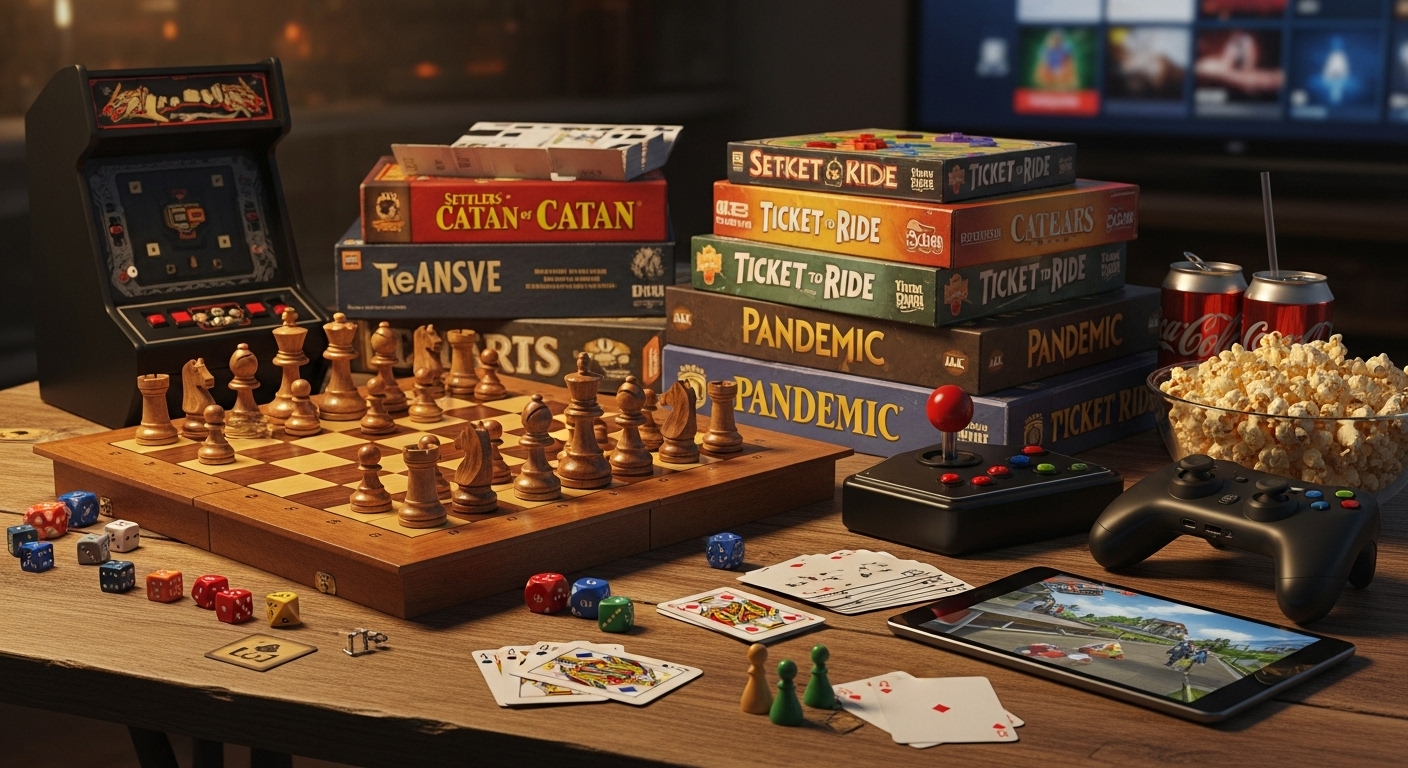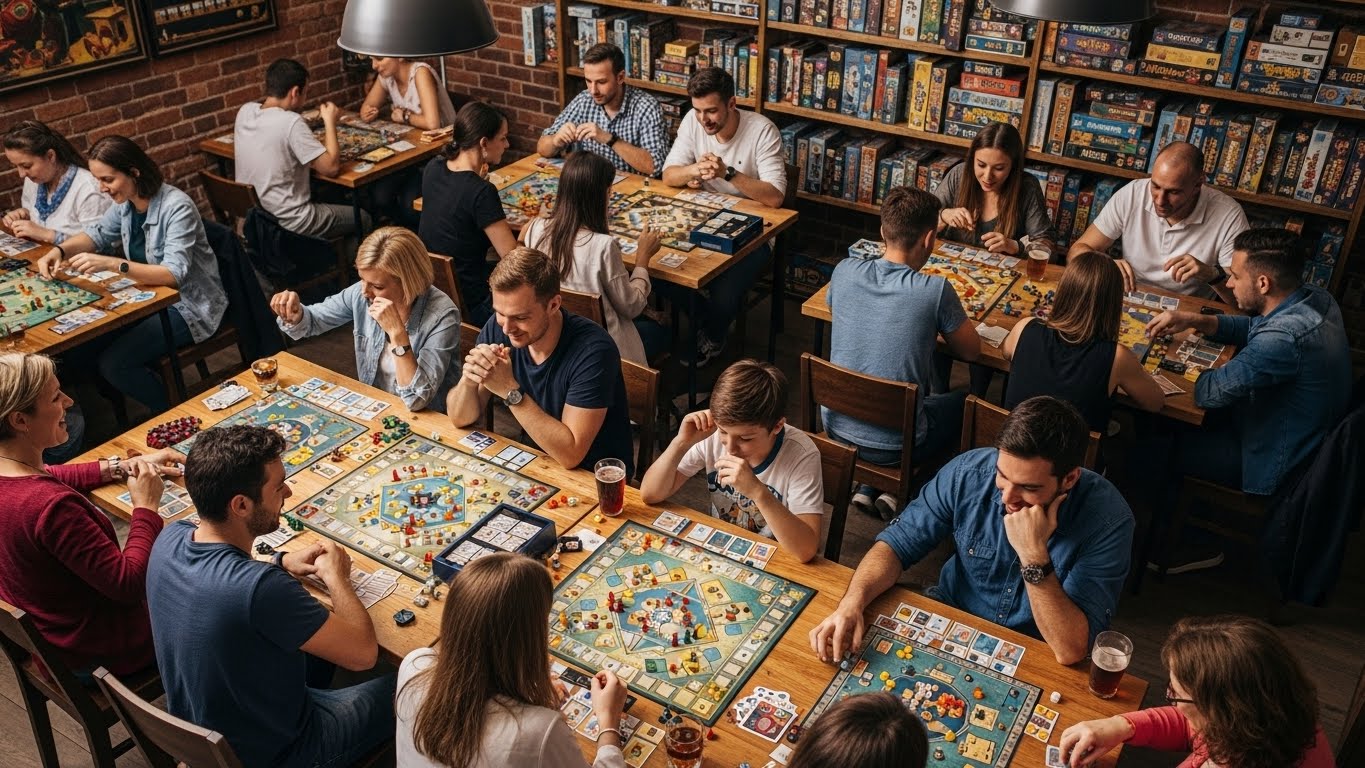

Games have been an integral part of human culture for centuries, serving as a source of entertainment, social interaction, and cognitive development. From simple board games to complex digital worlds, the concept of play has continually evolved. With the rise of video games and the increasing prevalence of mobile gaming, the landscape of gaming has expanded far beyond its traditional roots. In this blog post, we will explore the history of games, the different types of games that exist today, and the ways in which technology is shaping the future of gaming.
The History of Games: A Cultural Evolution
The history of games dates back to ancient civilizations, where they were often used for recreational purposes, as well as to teach strategy and problem-solving skills. Archaeological evidence suggests that games like dice and board games were played by the Egyptians, Greeks, and Romans. In fact, the earliest known board game, Senet, dates back to 3100 BC in Egypt. These games were often simple in design but complex in strategy, requiring players to think critically and make decisions that affected the outcome of the game.
Throughout history, games have evolved alongside societal changes. In the Middle Ages, card games emerged in Europe, providing a new form of social interaction. Chess, which is believed to have originated in India around the 6th century, became a symbol of intellectual prowess in the Western world and remains one of the most widely played strategy games today.
The Renaissance period saw the rise of new forms of entertainment, including the invention of the first modern playing cards. This era also gave birth to board games as we know them today. Classic games like backgammon and checkers gained widespread popularity and became a staple of social gatherings.
However, it wasn’t until the 20th century that the gaming industry truly began to flourish, thanks in large part to advancements in technology. The invention of electronic games in the mid-1900s paved the way for the modern gaming landscape, leading to the creation of the first video games.
The Rise of Video Games: The Birth of a New Era
The 1970s and 1980s marked the dawn of the video game era. The creation of arcade games like Pong (1972) and Space Invaders (1978) signified the birth of video gaming as a commercial entertainment medium. These games were simple, yet captivating, and quickly gained popularity in arcades across the globe.
In the 1980s, home gaming consoles such as the Atari 2600 and Nintendo Entertainment System (NES) brought gaming into people’s homes, forever changing the way people interacted with games. This era also saw the rise of iconic franchises like Super Mario, The Legend of Zelda, and Metroid, all of which remain beloved today.
As the 1990s progressed, gaming technology became more advanced. The development of 3D graphics and more sophisticated gameplay systems led to the creation of games with complex narratives and immersive worlds. The introduction of Sony’s PlayStation in 1994, followed by the release of the Nintendo 64 in 1996, helped establish video games as a legitimate form of entertainment.
The 2000s brought the rise of online multiplayer games, where players could interact with one another in real time, opening up a new world of possibilities. World of Warcraft (2004) and Halo 2 (2004) were among the first major online multiplayer games to achieve mainstream success, drawing millions of players to online communities and transforming gaming into a social experience.
Different Types of Games: The Diversity of Play
Gaming has come a long way since the days of Pong, and today, players can choose from a wide range of game genres, each offering a unique experience. These genres cater to different tastes, playstyles, and preferences, ensuring that there is something for everyone. Let’s take a closer look at some of the most popular types of games in the modern era.
1. Action and Adventure Games
Action and adventure games are among the most popular genres in the gaming world. These games often focus on fast-paced gameplay, combat, and exploration. Players are typically tasked with completing missions, solving puzzles, or defeating enemies to progress through the game.
Iconic franchises like Grand Theft Auto, The Legend of Zelda, and Tomb Raider have set the standard for action-adventure games. These games often feature open-world environments, allowing players to explore vast landscapes while completing various objectives. Some of these games also feature rich storylines, providing players with an engaging narrative experience alongside action-packed gameplay.
2. Role-Playing Games (RPGs)
Role-playing games (RPGs) immerse players in detailed, fictional worlds where they can take on the role of a character and embark on epic quests. RPGs are known for their deep storytelling, character progression, and decision-making elements. Players can often shape their character’s attributes, skills, and appearance, creating a personalized gaming experience.
Popular RPG franchises include Final Fantasy, The Elder Scrolls, and The Witcher series. These games offer vast open worlds, intricate quests, and memorable characters, allowing players to experience their own personal adventure in an expansive universe.
3. Sports and Racing Games
Sports and racing games offer a different kind of thrill, focusing on competition and skill. In sports games, players can control real-life athletes or teams, simulating sports like football, basketball, soccer, and tennis. Popular titles include the FIFA series, Madden NFL, and NBA 2K.
Racing games, on the other hand, put players behind the wheel of a car, challenging them to race through tracks and outpace their opponents. Games like Need for Speed, Gran Turismo, and Mario Kart have gained a dedicated fanbase, providing players with fast-paced action and exciting races.
4. Simulation and Strategy Games
Simulation games aim to replicate real-world experiences, allowing players to build, manage, or control various systems. These games often emphasize creativity, decision-making, and long-term planning. The Sims, SimCity, and Microsoft Flight Simulator are just a few examples of popular simulation games that offer players the chance to control and shape virtual environments.
Strategy games, whether turn-based or real-time, challenge players to think critically and plan their moves carefully. Players are often tasked with managing resources, building armies, and outsmarting their opponents. Notable strategy games include Age of Empires, Starcraft, and Civilization.
5. Multiplayer Online Battle Arenas (MOBAs) and Battle Royale
In recent years, the rise of MOBA (Multiplayer Online Battle Arena) games and Battle Royale games has revolutionized the competitive gaming scene. MOBAs like League of Legends and Dota 2 focus on team-based strategies, where players control a single character with unique abilities and work together to defeat the opposing team.
The Battle Royale genre, popularized by games like Fortnite and PlayerUnknown’s Battlegrounds (PUBG), pits large groups of players against each other in a massive arena, with the goal of being the last one standing. These games combine survival elements, fast-paced action, and strategic thinking, making them highly engaging for competitive players.
6. Casual and Puzzle Games
Casual games are designed to be easy to pick up and play, with simple mechanics and short play sessions. These games are often designed for a broad audience and can be enjoyed by players of all ages. Popular casual games include Candy Crush, Angry Birds, and Bejeweled.
Puzzle games, on the other hand, challenge players to solve problems, complete patterns, or manipulate objects to achieve specific goals. These games are often relaxing and mentally stimulating, making them popular for mobile gamers. Titles like Tetris, Portal, and Sudoku are excellent examples of puzzle games that keep players engaged with their challenging gameplay.
The Future of Gaming: Innovations and Trends
As technology continues to advance, the future of gaming is becoming increasingly exciting. Several key trends and innovations are shaping the direction of the gaming industry, offering players new and immersive experiences.
1. Virtual Reality (VR) and Augmented Reality (AR)
Virtual reality (VR) and augmented reality (AR) are two technologies that promise to revolutionize the gaming experience. VR gaming immerses players in fully interactive 3D environments, where they can physically move and interact with the virtual world. Games like Beat Saber and Half-Life: Alyx have already shown the potential of VR gaming.
Augmented reality, on the other hand, overlays virtual elements onto the real world. Games like Pokémon Go have demonstrated how AR can be used to create fun and interactive experiences in real-world environments.
2. Cloud Gaming
Cloud gaming, also known as game streaming, allows players to access games remotely via the internet, eliminating the need for powerful hardware. Services like Google Stadia and Microsoft xCloud allow players to stream games directly to their devices, opening up gaming to a wider audience and enabling cross-platform play.
3. AI and Procedural Generation
Artificial intelligence (AI) is becoming increasingly sophisticated in games, enhancing the behavior of non-playable characters (NPCs) and creating more realistic worlds. AI can also be used to generate dynamic storylines, adaptive gameplay, and personalized experiences based on player choices.
Procedural generation, the process of using algorithms to create vast, random game worlds, has also become a major trend in recent years. Games like No Man’s Sky and Minecraft use procedural generation to create expansive, ever-changing environments, ensuring that players