Introduction: The Enduring Power of Games
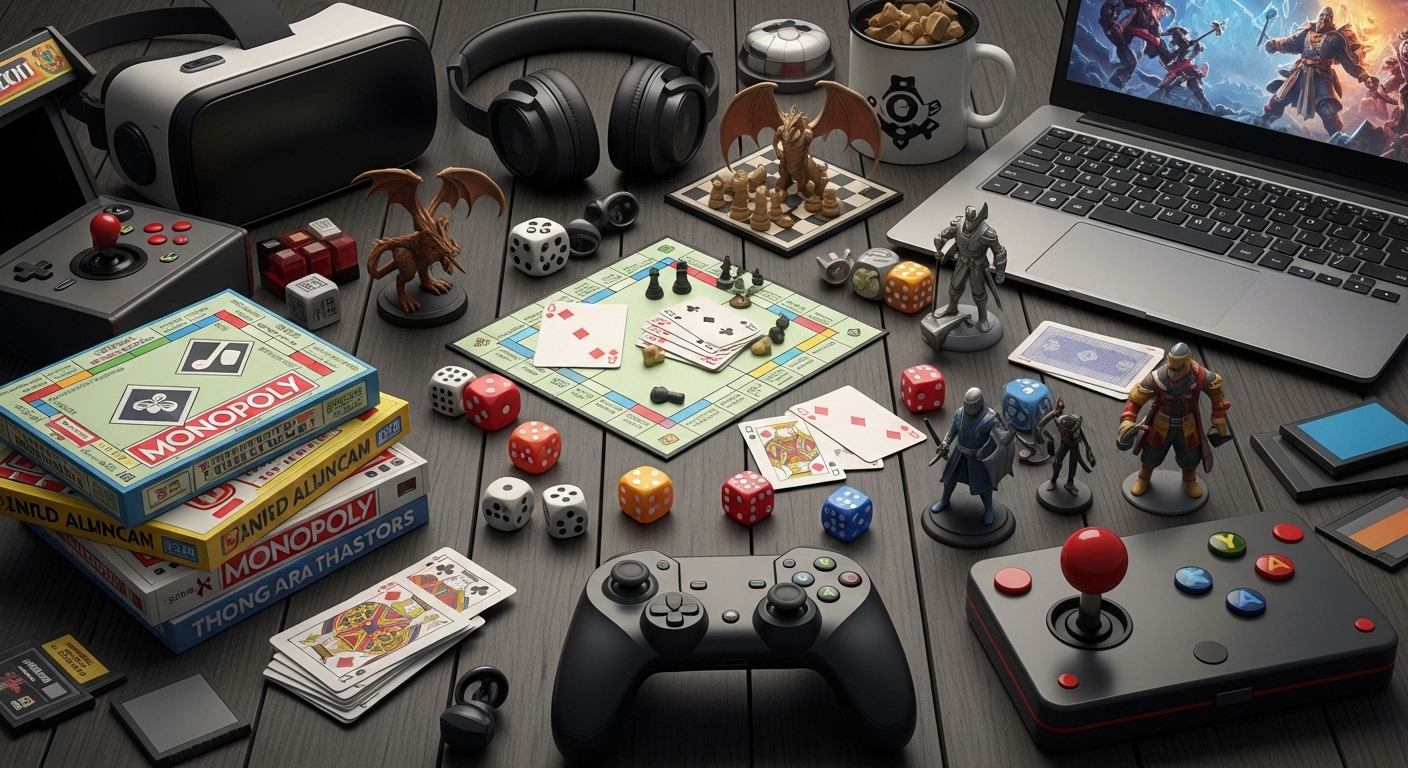
Games have been a part of human culture for as long as history can record. From the ancient civilizations of Egypt and Mesopotamia to the modern digital worlds that have become global sensations, games have shaped how we think, learn, socialize, and entertain ourselves. At their core, games offer a sense of escapism, challenge, and reward, allowing players to step into new worlds and test their skills in ways that go beyond the boundaries of everyday life. This blog delves into the world of games, exploring their origins, their impact on society, and how they continue to evolve and shape the future of entertainment.
The Origins of Games: A Historical Journey
Games have existed in various forms throughout human history, with evidence of their origins dating back thousands of years. The ancient Egyptians, for instance, enjoyed a game known as Senet, which dates back as far as 3100 BCE. This game, often depicted in tomb paintings, was believed to have spiritual significance, symbolizing the journey through the afterlife. Similarly, the ancient Greeks and Romans had their own games, both physical and strategic, such as Petteia (a board game) and Ludus Latrunculorum (a military strategy game). These early games were not just forms of recreation but also served as educational tools and symbols of status.
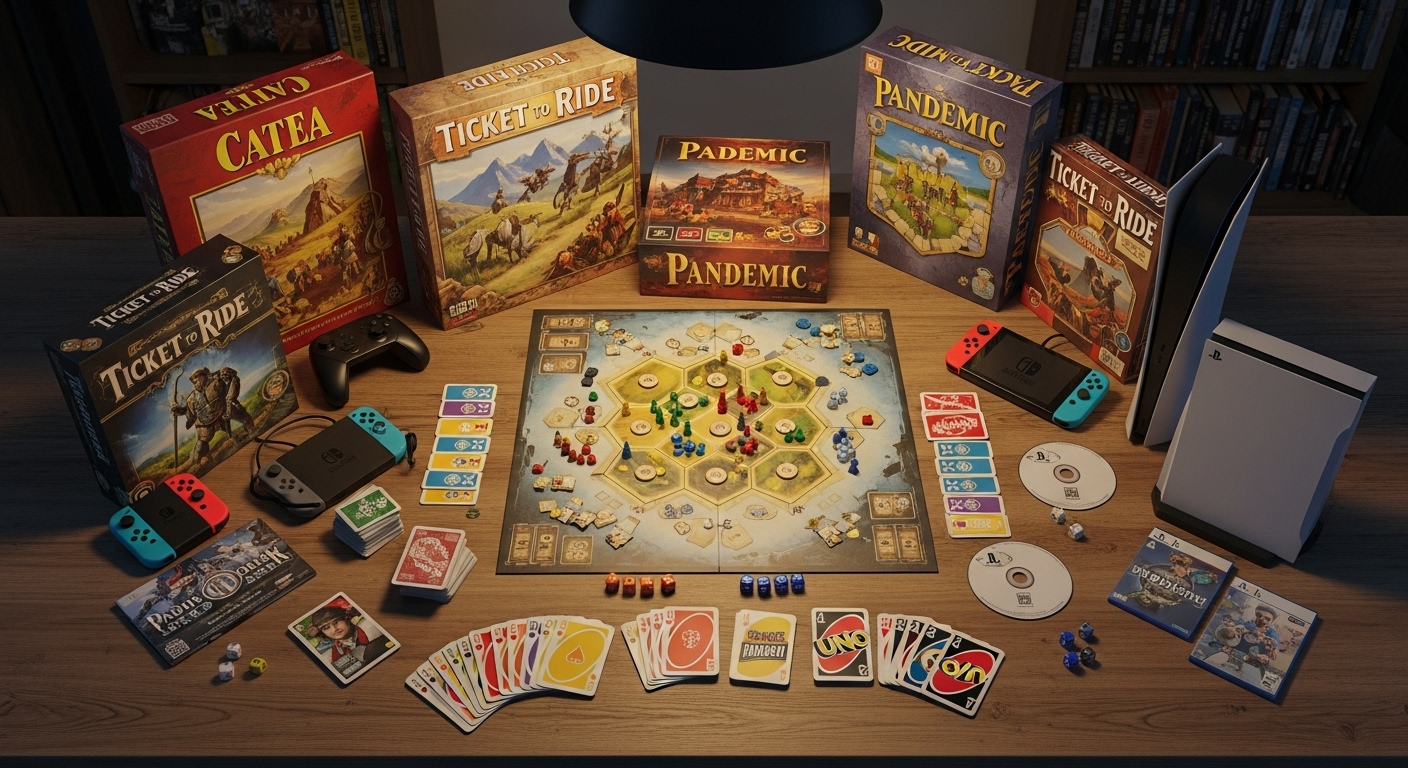
As time progressed, games evolved alongside societies. In the Middle Ages, games like chess began to take shape. Chess, originating in India in the 6th century, became a symbol of strategic intellect, and it soon spread throughout the world. By the 15th century, it had transformed into the game we recognize today, celebrated for its complexity and deep thought. Board games, card games, and physical sports also grew in popularity, each reflecting the values, challenges, and aspirations of the cultures that embraced them.
The Rise of Video Games: A New Frontier
The greatest shift in the world of gaming occurred in the mid-20th century with the advent of video games. The first commercially successful video game, Pong, was introduced in 1972, offering a simple yet addictive experience where two players controlled paddles and tried to keep a bouncing ball in play. This marked the beginning of the video game revolution, which would go on to reshape the entertainment industry in ways that few could have predicted.
Throughout the late 1970s and early 1980s, arcade games like Space Invaders, Pac-Man, and Donkey Kong captured the imaginations of players worldwide. These early games were basic by modern standards, but they laid the foundation for the immersive experiences that would follow. They introduced the idea of interactivity in a way that was unprecedented—players could now control the action, make decisions, and achieve rewards based on their performance.
The true explosion of video games, however, came with the development of home gaming consoles. The Nintendo Entertainment System (NES), released in 1985, brought gaming to millions of households, and games like Super Mario Bros. and The Legend of Zelda quickly became cultural landmarks. This era marked the beginning of a new form of storytelling and world-building, where players could explore vast digital landscapes, solve puzzles, and engage with characters in ways that had never been possible before.
The Golden Age of Gaming: Expanding Horizons
The 1990s and early 2000s saw gaming become more sophisticated in terms of both technology and narrative depth. With the introduction of 3D graphics, the gaming experience became more immersive. Titles like Super Mario 64, GoldenEye 007, and Final Fantasy VII demonstrated the possibilities of 3D gameplay, allowing players to move freely within expansive, richly detailed environments.
As technology advanced, the scope of gaming grew beyond single-player experiences. The rise of the internet led to the birth of online multiplayer gaming, where players could connect with one another across vast distances. This new social element transformed gaming into a community experience. Games like StarCraft, Counter-Strike, and World of Warcraft pioneered online play, and soon, gamers around the world were collaborating, competing, and forming lasting friendships within these digital realms.
The 2000s also marked the rise of mobile gaming, with the introduction of smartphones bringing games into the pockets of millions of people. Casual games like Angry Birds, Candy Crush, and Pokémon Go reached a broad, diverse audience, expanding the definition of what it meant to be a “gamer.” Mobile gaming has continued to grow, contributing to the rise of free-to-play games and microtransactions, which have become a significant business model in the gaming industry.
The Cultural Impact of Games
Games are not only a form of entertainment—they have become an influential cultural force. Video games have been used to explore complex themes like identity, morality, and the human experience. Games like The Last of Us, Red Dead Redemption 2, and Bioshock Infinite challenge players to think critically about the world around them, offering profound reflections on society, politics, and relationships. The stories within these games often rival the narrative depth found in novels and films, and they can evoke a wide range of emotions, from exhilaration to sorrow.
Moreover, games have become a powerful form of expression for both creators and players. Independent games, or “indie games,” have gained popularity in recent years, with developers using the medium to tell personal stories, experiment with gameplay mechanics, and challenge industry norms. Games like Journey, Inside, and Stardew Valley have resonated with players on an emotional level, showcasing the medium’s potential for artistic expression and storytelling.
Games have also become an integral part of popular culture. Franchises like Mario, Zelda, and Pokémon have become iconic symbols, while characters like Lara Croft and Master Chief are household names. Gaming conventions, such as E3 and PAX, attract thousands of fans each year, and streaming platforms like Twitch have turned gaming into a spectator sport, allowing fans to watch others play and interact with their favorite streamers. This cultural integration has helped normalize gaming as a legitimate and influential form of entertainment.
The Role of Games in Education and Learning
Beyond entertainment, games are increasingly recognized for their educational value. Many games require players to solve complex puzzles, think critically, and adapt to changing circumstances. These cognitive skills make games a valuable tool for learning, whether for children in the classroom or adults in professional settings.
Educational games, in particular, have become a powerful way to engage students. Games that teach history, mathematics, and science can make these subjects more accessible and enjoyable. For instance, strategy games like Civilization allow players to explore different historical periods and simulate the complexities of governance, diplomacy, and war. Similarly, games like Minecraft and Kerbal Space Program provide opportunities for hands-on learning in a virtual environment, allowing players to build structures, explore physics, and experiment with engineering concepts.
Moreover, games promote teamwork, leadership, and communication skills. Many online multiplayer games require players to work together to achieve a common goal, fostering collaboration and problem-solving in a group setting. These skills are invaluable in both educational and professional environments, helping players develop social and interpersonal abilities that are transferable to real-world situations.
The Future of Gaming: Where Technology and Creativity Meet
The future of gaming holds exciting possibilities, driven by technological advancements and the ever-growing creativity of developers. One of the most exciting developments is the rise of virtual reality (VR) and augmented reality (AR), which are set to revolutionize the way we experience games. With VR, players can immerse themselves in fully realized digital worlds, experiencing environments as if they were truly present. Games like Half-Life: Alyx and Beat Saber are already demonstrating the potential of VR, and as the technology becomes more accessible, it’s likely that VR gaming will become a mainstream experience.
AR, on the other hand, offers a new way to blend the virtual and real worlds. Pokémon Go is perhaps the most famous example, but the possibilities of AR go far beyond location-based games. In the future, AR could be used to enhance storytelling and gameplay, allowing players to interact with digital elements overlaid on their physical surroundings. This could open up new avenues for both casual and competitive gaming, creating more interactive and engaging experiences.
Artificial intelligence (AI) is another technology poised to shape the future of gaming. AI-powered characters and game worlds could respond to player actions in increasingly complex and dynamic ways, creating highly personalized and ever-evolving experiences. In addition, AI could be used to generate procedurally created content, ensuring that no two playthroughs of a game are ever the same. This could revolutionize genres like role-playing games and open-world adventures, making them more immersive and replayable than ever before.
The Social Impact of Games: Connecting the World
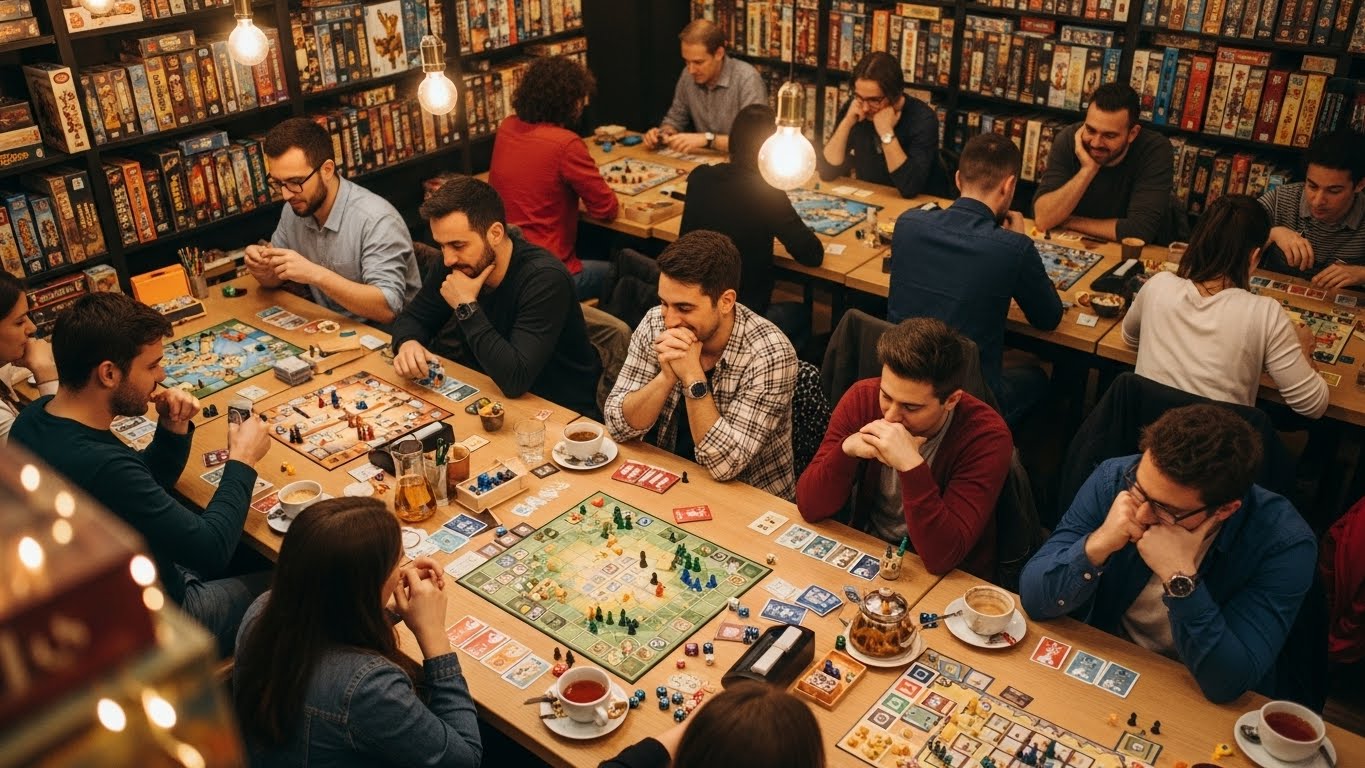
In addition to their impact on entertainment and education, games have a unique ability to bring people together. The rise of online multiplayer games has created global communities of players who can connect with one another in real time, forming friendships and bonds across continents. Games like Fortnite, League of Legends, and Call of Duty are played by millions worldwide, and for many players, these games provide a sense of belonging and social connection.
Streaming platforms like Twitch and YouTube have further amplified this social aspect of gaming. Gamers can share their experiences with others, creating communities around their favorite games and personalities. These platforms have also allowed gaming to evolve into a spectator sport, where viewers can watch professional players compete in tournaments and cheer on their favorite teams.
Additionally, the social impact of games extends to charity and activism. Games like Extra Life and Child’s Play have raised millions of dollars for charitable causes, while game developers are increasingly using their platforms to address social issues, such as mental health, diversity, and environmental conservation. Games have the power to inspire action, create awareness, and foster empathy in ways that traditional forms of media cannot.