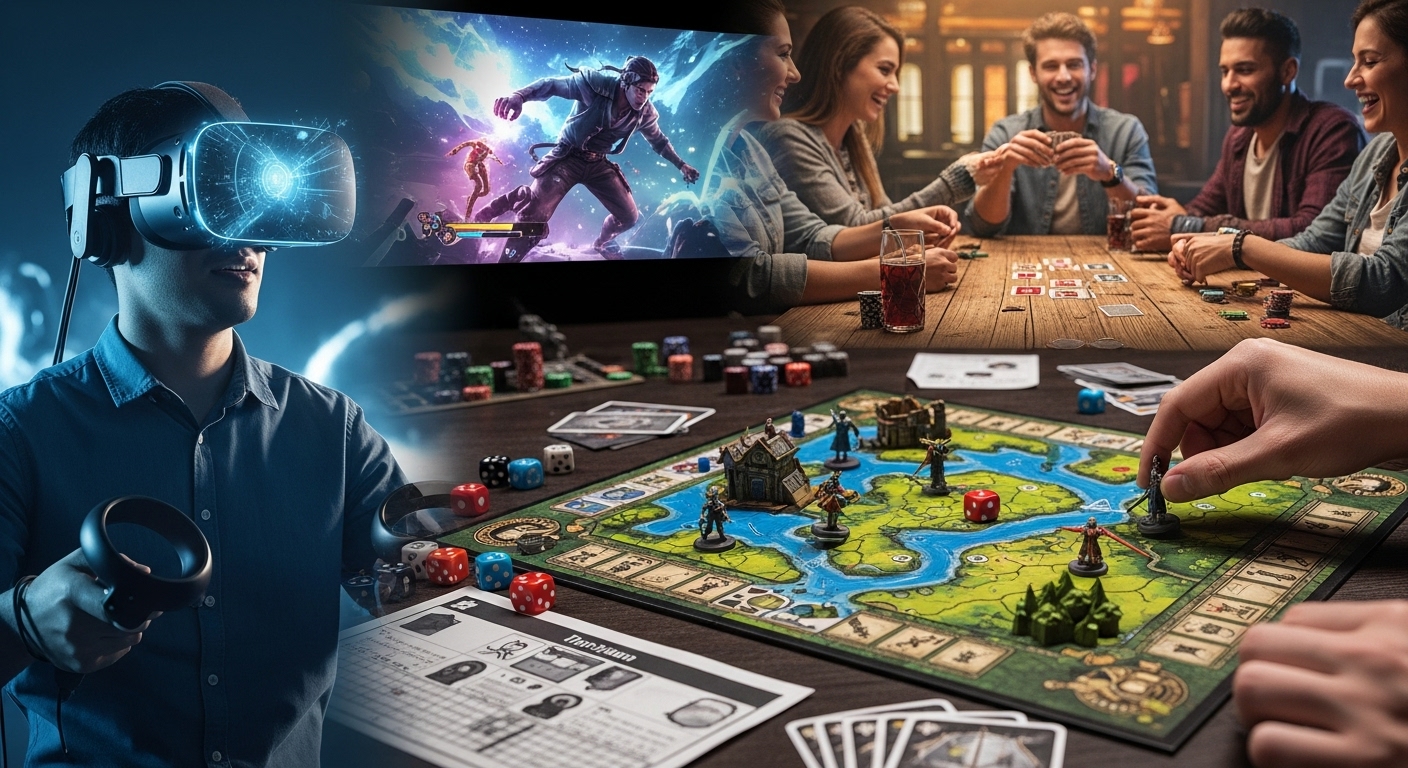
Video games have transformed the way we experience entertainment, offering far more than just an escape from reality. They’ve become cultural phenomena, intricate narratives, and even social platforms. The magic behind games lies not only in the technology that powers them but in the immersive worlds, stories, and communities they create. This blog post explores how modern games captivate players, why they are such an essential part of our digital culture, and what makes them so addictive and rewarding.
The Evolution of Gameplay: From Simple Mechanics to Deep Engagement
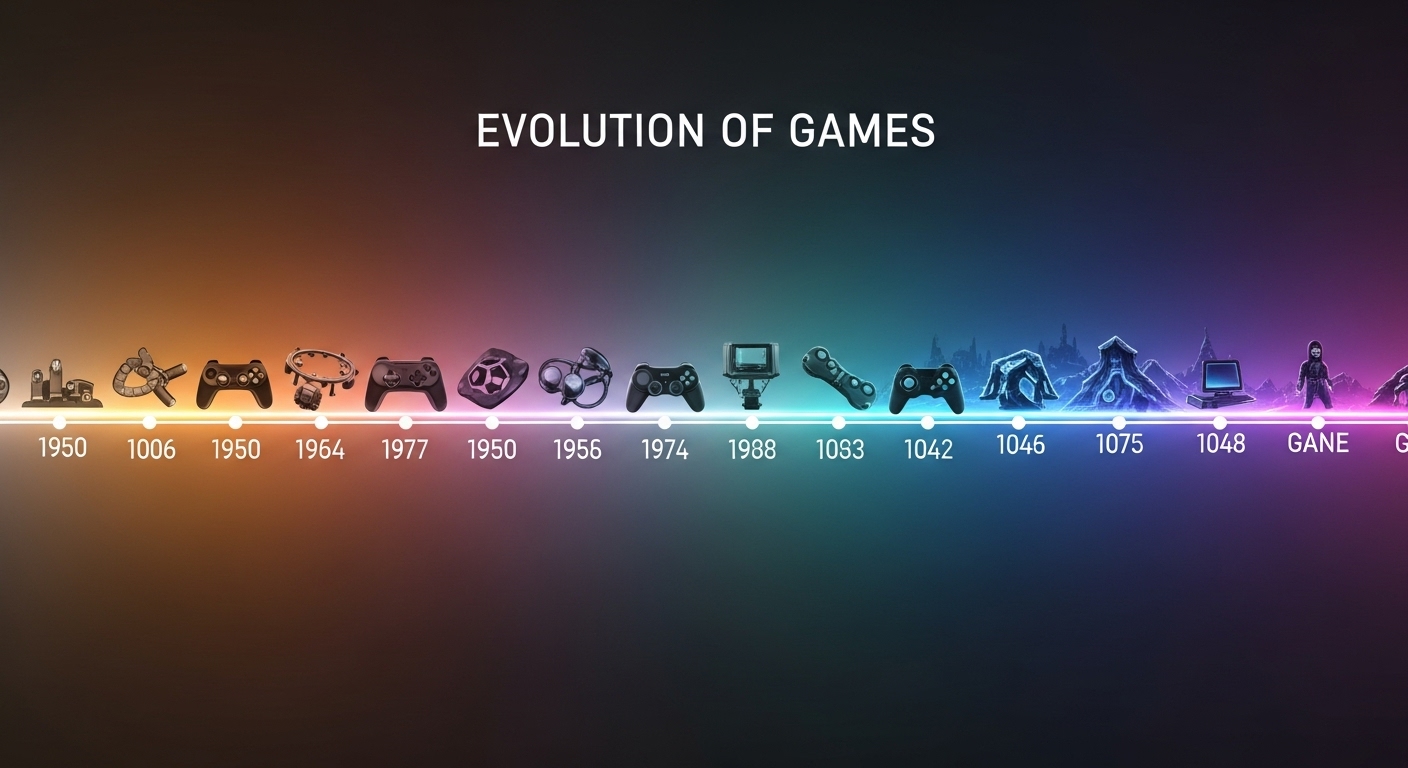
In the early days of gaming, the mechanics were straightforward. Games like Pong and Space Invaders introduced players to the concept of interactive entertainment, where the challenge was simple: control an object and score points. Over the years, game developers started exploring more complex concepts—narrative depth, world-building, character development, and multiplayer interaction.
Today’s games offer experiences that go far beyond “just playing.” With intricate storylines, stunning graphics, and expansive open worlds, games like The Witcher 3 and Red Dead Redemption 2 provide immersive environments where players can lose themselves for hours. These games not only offer a challenge but allow players to explore rich worlds filled with fascinating characters and meaningful choices that affect the game’s outcome.
Game developers have also evolved gameplay mechanics to focus on player agency—allowing players to shape the course of events. This shift from linear gameplay to open-world exploration or branching storylines has created a much deeper level of engagement, where every decision feels important, and every playthrough can be a unique experience.
The Social Aspect: Gaming as a Community
One of the most significant changes in modern gaming is the growing importance of the social aspect. Online multiplayer games, like Fortnite, Call of Duty, and Among Us, have made it possible for players to connect with friends and strangers across the globe in real time. These games have turned gaming into a communal experience rather than a solitary one.
But it’s not just about playing with others—it’s about building relationships, competing together, and becoming part of a larger community. Whether it’s teaming up with friends in a battle royale or joining a guild in World of Warcraft, these games allow players to create lasting bonds and engage with others who share the same passions. Many games feature chat systems, in-game voice communication, and collaborative gameplay that makes it feel as if you’re not just playing a game, but participating in a shared experience.
Esports is another aspect of the social gaming revolution, where professional players and teams compete in tournaments, often watched by millions. Games like League of Legends, Overwatch, and Dota 2 have turned competitive gaming into a spectator sport, bringing players together to cheer for their favorite teams and compete for massive cash prizes.
Game Design: Crafting Worlds That Feel Alive
The magic of modern games lies in the worlds they create. Game designers have become master architects, building intricate digital environments that feel alive and responsive to players’ actions. Whether it’s the stunning visuals of Horizon Zero Dawn or the detailed world-building in Skyrim, developers have learned to craft environments that are not only beautiful to look at but are interactive and filled with hidden secrets waiting to be discovered.
The attention to detail is extraordinary. In many open-world games, players can walk through entire cities, explore forests, dive into oceans, and even talk to NPCs (non-playable characters) who have their own personalities and backstories. Some games offer dynamic weather systems, day-night cycles, and reactive ecosystems where the environment responds to the player’s actions. This level of immersion makes it feel as though players are part of something bigger, living and breathing inside the game world.
Moreover, modern games go beyond just looks. The sound design, music, and voice acting all play critical roles in creating a believable world. Games like The Last of Us or God of War prove that video games can deliver cinematic experiences on par with film, drawing players in emotionally and allowing them to form deep connections with the characters and the world they inhabit.
Emotional Connection: Storytelling Through Games
While many games have relied on exciting gameplay and flashy graphics, one of the most profound elements of modern gaming is its ability to tell deep, emotional stories. Video game narratives have evolved from basic quests to rich, multi-layered stories with complex characters. Games like The Last of Us, Red Dead Redemption 2, and Mass Effect show that games can evoke a wide range of emotions, from joy to heartbreak, and engage players in ways that few other forms of entertainment can.
What makes these games stand out is how they allow players to connect with characters on a personal level. Players invest not only their time but also their emotions into the characters, shaping the narrative through their choices. The power of interactive storytelling lies in its ability to immerse players in a world where they feel like they have an impact. A single decision in a game can change the outcome of the story, creating unique experiences every time you play.
Games also offer the opportunity for players to experience stories that they might not encounter in other forms of media. For example, Celeste is a platformer that explores themes of mental health, while Life is Strange addresses issues like friendship, loss, and the consequences of choices. These games allow players to reflect on personal experiences and connect with the stories in a meaningful way.
The Addictiveness Factor: Why We Keep Coming Back
One of the most fascinating aspects of gaming is its addictive nature. Unlike many other forms of entertainment, games often encourage repeated playthroughs, whether it’s to level up a character, unlock new content, or simply improve your skills. The “loop” of completing missions, achieving goals, and earning rewards creates a sense of satisfaction and progression, making players want to keep playing.
Games like Fortnite, World of Warcraft, and Animal Crossing create experiences that offer continuous challenges and new content, keeping players hooked. These games often provide constant updates, new events, and seasonal changes that add variety and keep the experience fresh. The sense of progression is key—whether it’s leveling up in an RPG, collecting new skins, or earning in-game currency, players feel a sense of accomplishment as they achieve goals and unlock rewards.
Additionally, multiplayer games with competitive elements offer a different kind of drive—players aim to improve their skills and rankings, creating an ongoing challenge that can be incredibly rewarding. The competitive nature of these games taps into a player’s desire for mastery and achievement, keeping them coming back for more.
The Future of Gaming: Innovation and New Horizons
As technology advances, the future of gaming is brimming with possibilities. Virtual reality (VR) and augmented reality (AR) are set to take gaming to new heights. VR headsets, such as the Oculus Rift, offer more immersive experiences, allowing players to physically interact with game worlds, while AR games like Pokémon Go are already blending digital and physical environments.
Cloud gaming is another exciting frontier, enabling players to stream high-quality games without the need for expensive hardware. Platforms like Google Stadia and Xbox Cloud Gaming are paving the way for more accessible and affordable gaming experiences. As internet speeds improve, cloud gaming could eliminate the need for consoles and PCs, allowing anyone with a good internet connection to access the latest games.
Artificial intelligence (AI) is also poised to enhance game design. AI can create more lifelike NPCs, more dynamic worlds, and more personalized gameplay experiences. As AI technology progresses, we may see games that adapt to a player’s skill level, playing style, and even emotional state, providing a truly unique experience every time.
Conclusion: Gaming as a Cultural Force
In conclusion, video games have become far more than a form of entertainment. They are immersive worlds, emotional journeys, and social platforms that connect millions of players worldwide. The combination of engaging gameplay, compelling narratives, and social interaction makes modern games an essential part of our digital culture. Whether it’s through the story of a hero’s journey, the thrill of competition, or the simple joy of exploration, games continue to captivate and inspire players. And as technology advances, the magic of gaming will only grow, offering new ways to connect, create, and experience worlds beyond our imagination.