Introduction: The Infinite World of Play
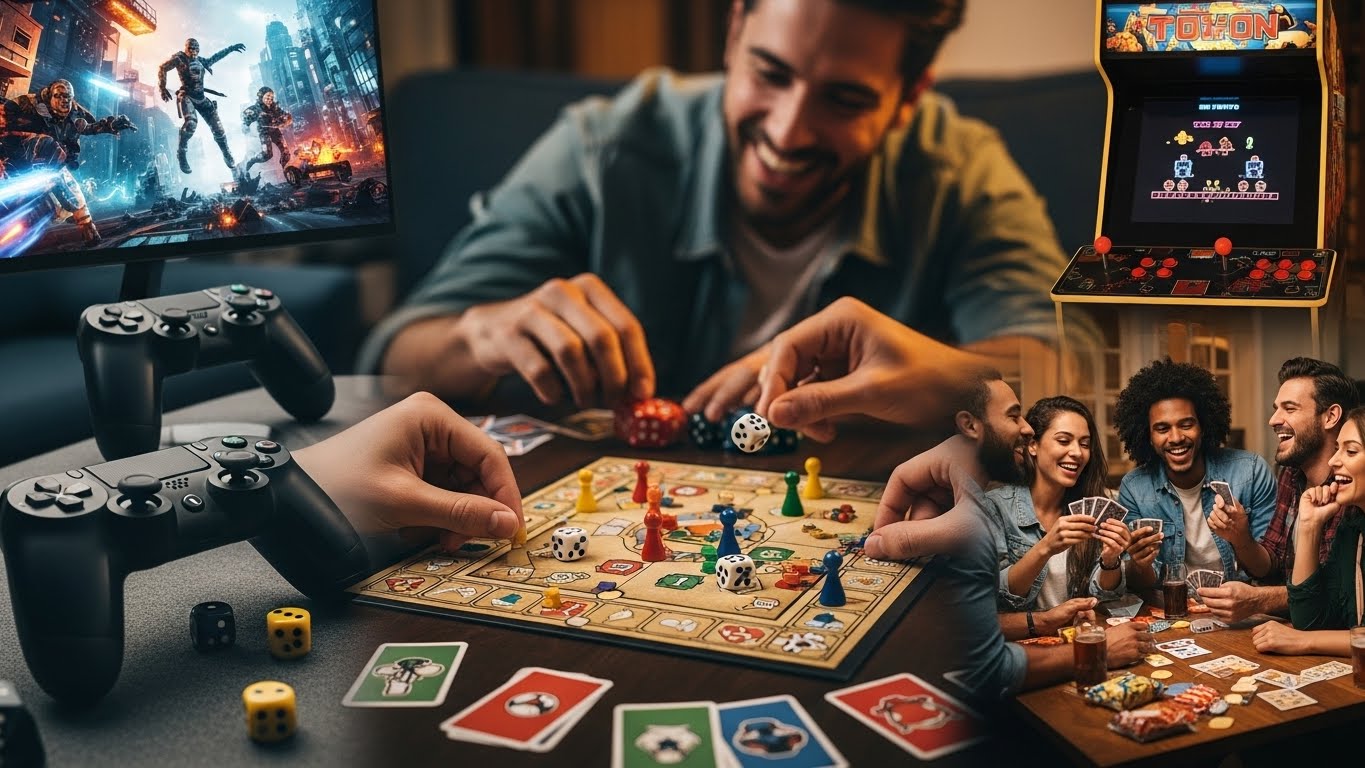
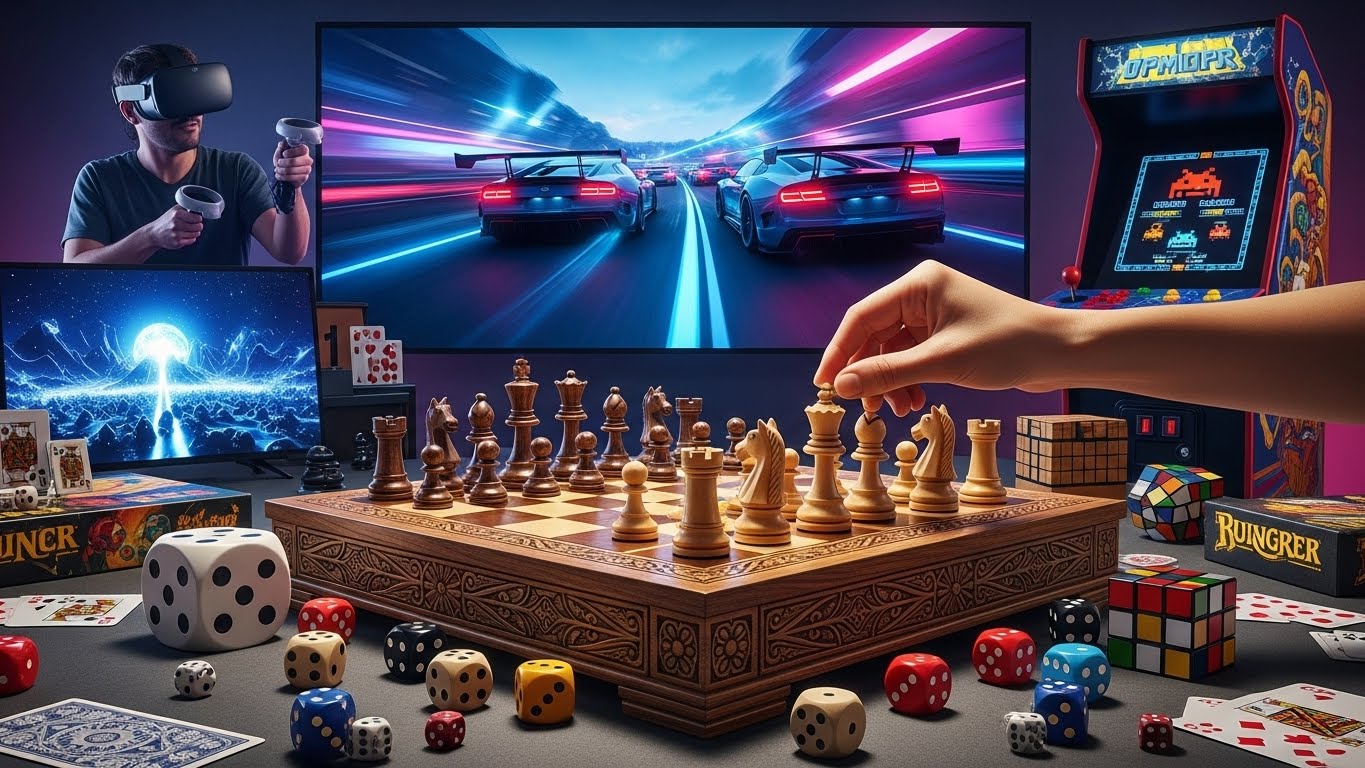
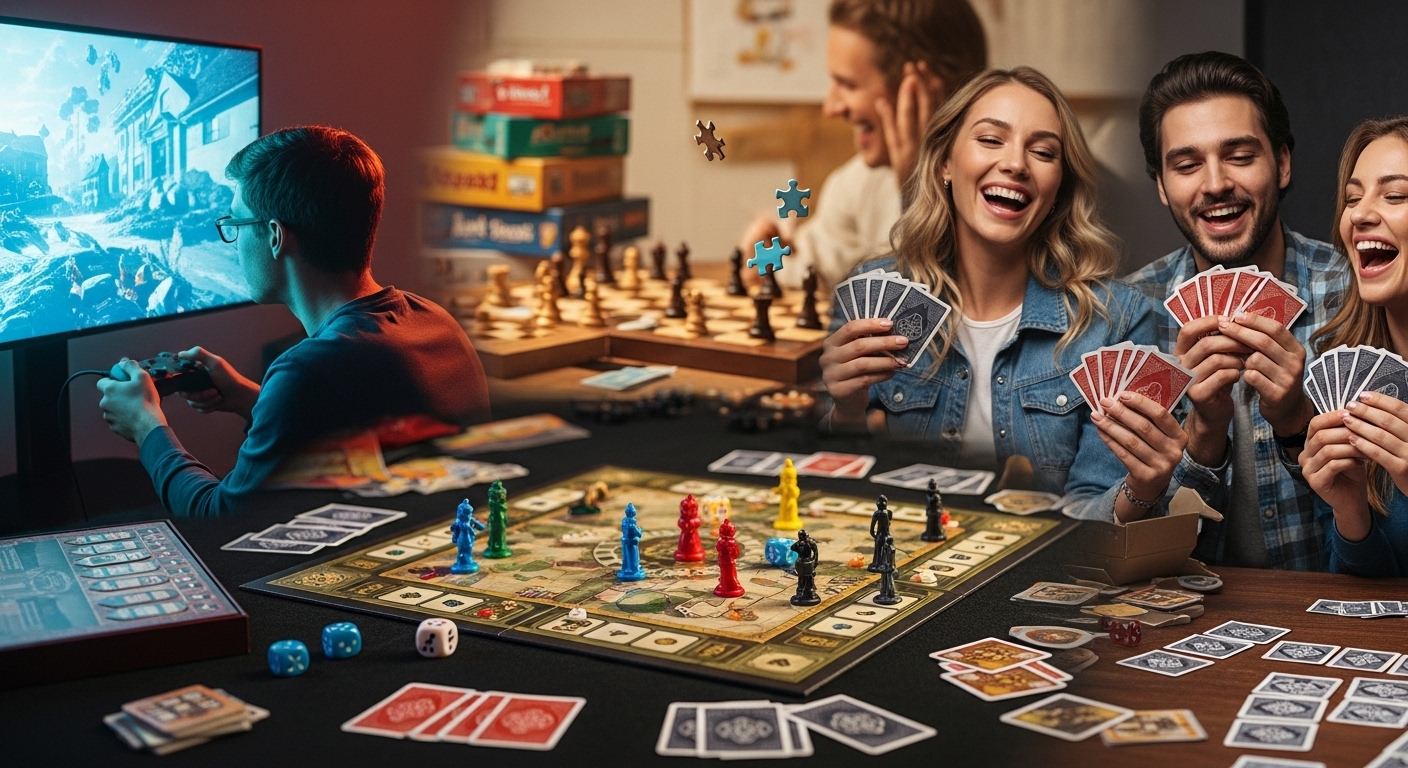
Games are as old as humanity itself. From the earliest board games carved into stone to the modern digital masterpieces that transport players into virtual realms, gaming has always been a vital part of human culture. Today, games represent more than mere entertainment—they are powerful tools of storytelling, competition, education, and even emotional connection. The global gaming landscape continues to evolve at a breathtaking pace, merging creativity, technology, and human imagination. Understanding the journey of games, from their traditional roots to futuristic innovations, reveals how they have become one of the most influential cultural forces of our time.
The Ancient Roots of Gaming: Where It All Began
Long before computers and consoles, people played games to pass time, strengthen strategy, and connect with others. Ancient civilizations created games that reflected their cultures and values. The Egyptians played Senet, a board game symbolizing the journey to the afterlife. The Chinese invented Go, a game of strategy that still challenges players today. Chess, originating in India, became a universal symbol of intellect and tactics. These traditional games laid the foundation for structured play, competition, and the spirit of challenge that defines gaming today. They prove that the human desire to play is timeless.
The Birth of Modern Games: From Board to Arcade
The industrial revolution and technological advances of the 20th century brought new forms of entertainment. The invention of electricity paved the way for pinball machines, which evolved into the first arcade games. In the 1970s and 1980s, titles like Pong, Space Invaders, and Pac-Man introduced digital play to the masses. Arcades became social hubs where players competed for high scores and bragging rights. These early games were simple yet revolutionary, demonstrating the potential of electronic entertainment. Each pixel on the screen carried the promise of something much greater—an entirely new world of interactive fun.
The Home Console Revolution: Gaming Comes Home
As technology progressed, gaming moved from the arcade to the living room. Home consoles like the Atari 2600, Nintendo Entertainment System (NES), and Sega Genesis changed the landscape forever. Families gathered around television screens, exploring adventures together. The 8-bit and 16-bit eras introduced unforgettable characters like Mario, Sonic, and Zelda, who became global icons. Game cartridges brought variety and replay value, allowing players to own their favorite titles. This period marked the beginning of gaming as a mainstream activity and transformed it into a shared cultural experience that united generations.
The 3D Leap: Entering New Dimensions
The mid-1990s brought the dawn of 3D gaming, revolutionizing visuals and gameplay. Consoles like the PlayStation and Nintendo 64 introduced fully three-dimensional environments that immersed players in ways previously unimaginable. Games like Super Mario 64, Tomb Raider, and Final Fantasy VII showcased the potential for depth, emotion, and storytelling. Developers began focusing on creating rich worlds filled with characters who had personality and purpose. This shift not only enhanced the visual experience but also elevated gaming into an art form capable of delivering cinematic narratives.
The Rise of PC Gaming and Player Freedom
While consoles dominated homes, personal computers opened new possibilities for creativity and customization. PC gaming allowed players to modify games, explore vast virtual worlds, and experience complex simulations. Genres like real-time strategy, first-person shooters, and role-playing games found their home on computers. Titles such as Age of Empires, The Sims, and Half-Life set new standards for gameplay depth and innovation. PC gaming also gave rise to online multiplayer experiences, where players could compete or collaborate across continents. The freedom and flexibility of PC gaming made it the choice of many enthusiasts who wanted complete control over their experience.
Online Multiplayer: The Social Side of Games
The internet brought a new era in gaming. Multiplayer modes transformed from local couch sessions to global networks connecting millions. Players could now engage in epic battles, trade resources, or build communities with others from around the world. Games like Counter-Strike, World of Warcraft, and later Fortnite created digital societies where teamwork, communication, and competition thrived. Online gaming not only changed how people played but also how they interacted. It fostered friendships, rivalries, and even careers, as the social nature of gaming grew stronger than ever before.
Mobile Gaming: Power in Your Pocket
With the rise of smartphones, gaming became accessible to nearly everyone. Mobile games redefined convenience, allowing people to play anywhere, anytime. Titles like Angry Birds, Clash of Clans, and PUBG Mobile captivated billions. Mobile gaming’s success lies in its simplicity and reach—it turned casual players into gamers and introduced new audiences to interactive entertainment. The low cost and instant availability of mobile games created an entirely new market, making gaming one of the most inclusive forms of entertainment in the modern world.
The Evolution of Storytelling in Games
As games became more advanced, their stories grew more intricate and emotionally engaging. Developers began crafting narratives that rivaled books and movies. Games such as The Last of Us, Red Dead Redemption, and Mass Effect showed that interactive storytelling could evoke deep emotional responses. Players were no longer just spectators; they became active participants in shaping the outcome of the story. This ability to influence narrative paths gave games a unique edge over other forms of entertainment. Through storytelling, gaming became a medium of self-expression, morality, and empathy.
Esports: The Birth of Competitive Gaming
What began as friendly competition among friends has evolved into a multi-billion-dollar industry known as esports. Professional players, teams, and tournaments attract massive audiences worldwide. Games like League of Legends, Dota 2, and Valorant dominate the esports scene, drawing millions of viewers to live events. Esports athletes train rigorously, just like traditional sports professionals, and compete for prestige and substantial prizes. The popularity of esports reflects the power of gaming as a spectator sport and its growing legitimacy as a global cultural phenomenon.
The Power of Streaming and Gaming Content Creation
Streaming platforms have transformed how games are experienced. Players can now broadcast their gameplay live, sharing their skills, humor, and commentary with audiences across the world. Streamers and content creators have become celebrities in their own right, influencing trends and shaping gaming culture. This new form of entertainment merges interactivity with personality, creating a unique bond between gamers and their audiences. The rise of content creation has also allowed gaming communities to thrive, connecting players beyond the screen.
Virtual Reality and Augmented Reality: The Future of Immersion
The next step in gaming evolution lies in virtual reality (VR) and augmented reality (AR). VR headsets transport players directly into the game world, offering a first-person perspective unlike anything before. AR blends digital elements with real-world environments, as seen in games that bring characters and challenges into everyday life. These technologies promise an unparalleled sense of immersion, allowing players to physically interact with the virtual worlds they love. As VR and AR continue to advance, they are set to redefine the very meaning of gameplay and interactivity.
Artificial Intelligence: A New Dimension in Game Design
Artificial intelligence has become an integral part of modern game development. AI controls non-player characters, manages dynamic environments, and even generates unpredictable storylines. Developers use AI to create smarter opponents, realistic physics, and adaptive difficulty systems. Some modern games can even learn from player behavior, offering personalized challenges. Beyond gameplay, AI also assists in developing new worlds, designing levels, and reducing production time. It is clear that AI will continue to revolutionize the gaming experience, making it more intelligent and engaging.
Cultural Influence: Games as Modern Art
Games have evolved into one of the most powerful cultural and artistic mediums of our time. They influence fashion, music, movies, and even education. Gaming soundtracks are celebrated as musical masterpieces, while game-inspired art and merchandise dominate pop culture. Many educational institutions now use games as learning tools to teach problem-solving, collaboration, and creativity. Games are not merely distractions—they are reflections of modern society, blending art, technology, and emotion in ways that no other medium can achieve.
Challenges in the Gaming Industry
Despite its growth, the gaming industry faces ongoing challenges. Issues such as game addiction, toxic online behavior, and monetization controversies continue to spark debate. Many players call for ethical game design, better inclusivity, and fairer business practices. Developers are also striving to ensure balanced gameplay experiences that promote well-being. As the industry matures, addressing these challenges will be key to sustaining its credibility and trust among players.
The Future of Gaming: Infinite Possibilities
The future of gaming promises even greater innovation. Cloud technology may eliminate the need for consoles altogether, allowing players to stream high-quality games on any device. Artificial intelligence could enable dynamic storytelling that adapts to each player’s choices in real time. Virtual reality might soon evolve into fully immersive worlds where physical and digital realities coexist seamlessly. The boundaries of imagination are constantly expanding, and the next generation of games will likely surprise us in ways we cannot yet imagine.
Conclusion: A World Connected by Play
Games have come a long way—from ancient stones and wooden boards to digital realms powered by advanced technology. They have become a universal language that transcends age, culture, and geography. Gaming brings people together, fosters creativity, and challenges our minds in new and exciting ways. Whether it’s the thrill of competition, the beauty of storytelling, or the joy of exploration, games continue to shape how we interact with the world around us. The journey of gaming is far from over; in fact, it is only beginning. As technology continues to advance and creativity flourishes, the universe of games will keep expanding—beyond screens, beyond imagination, and into the future of human connection.