Introduction: The Universality of Games
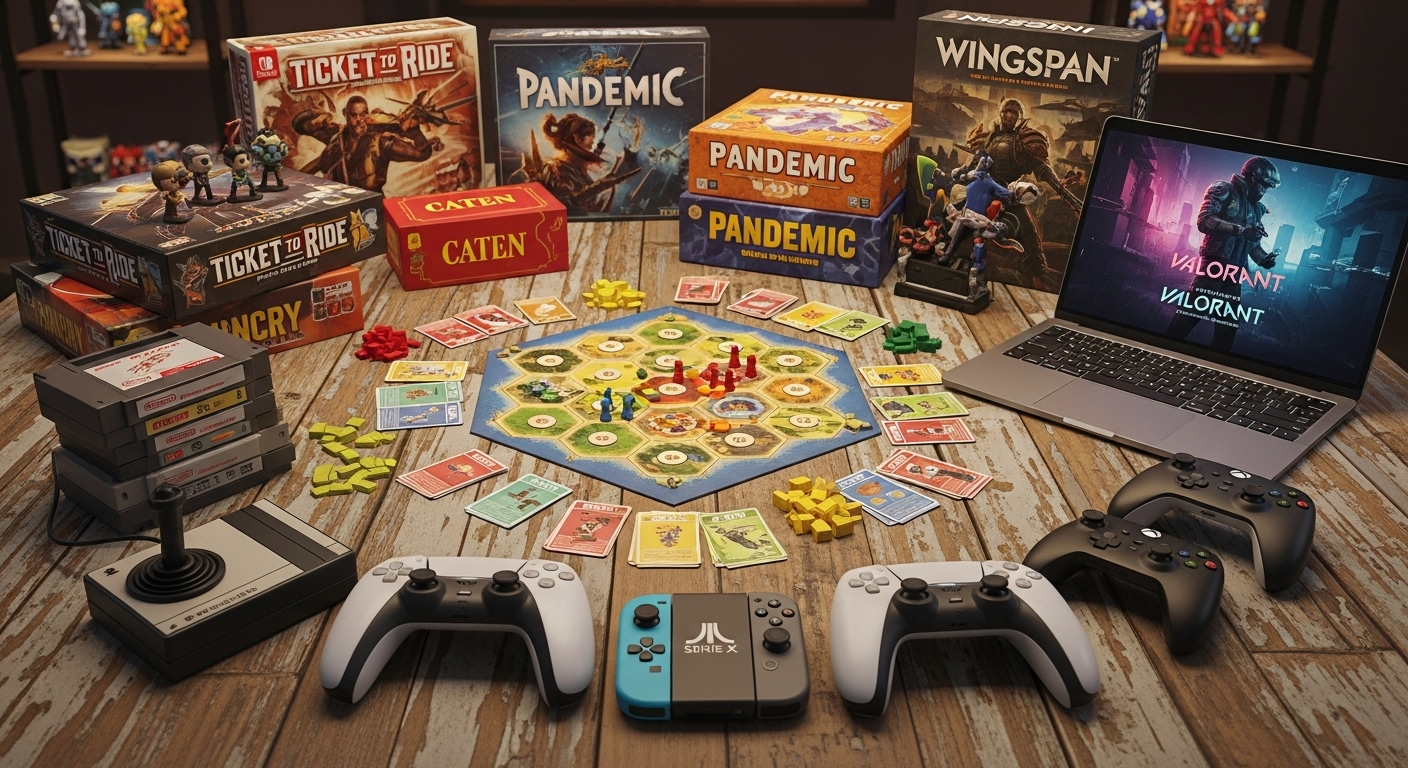
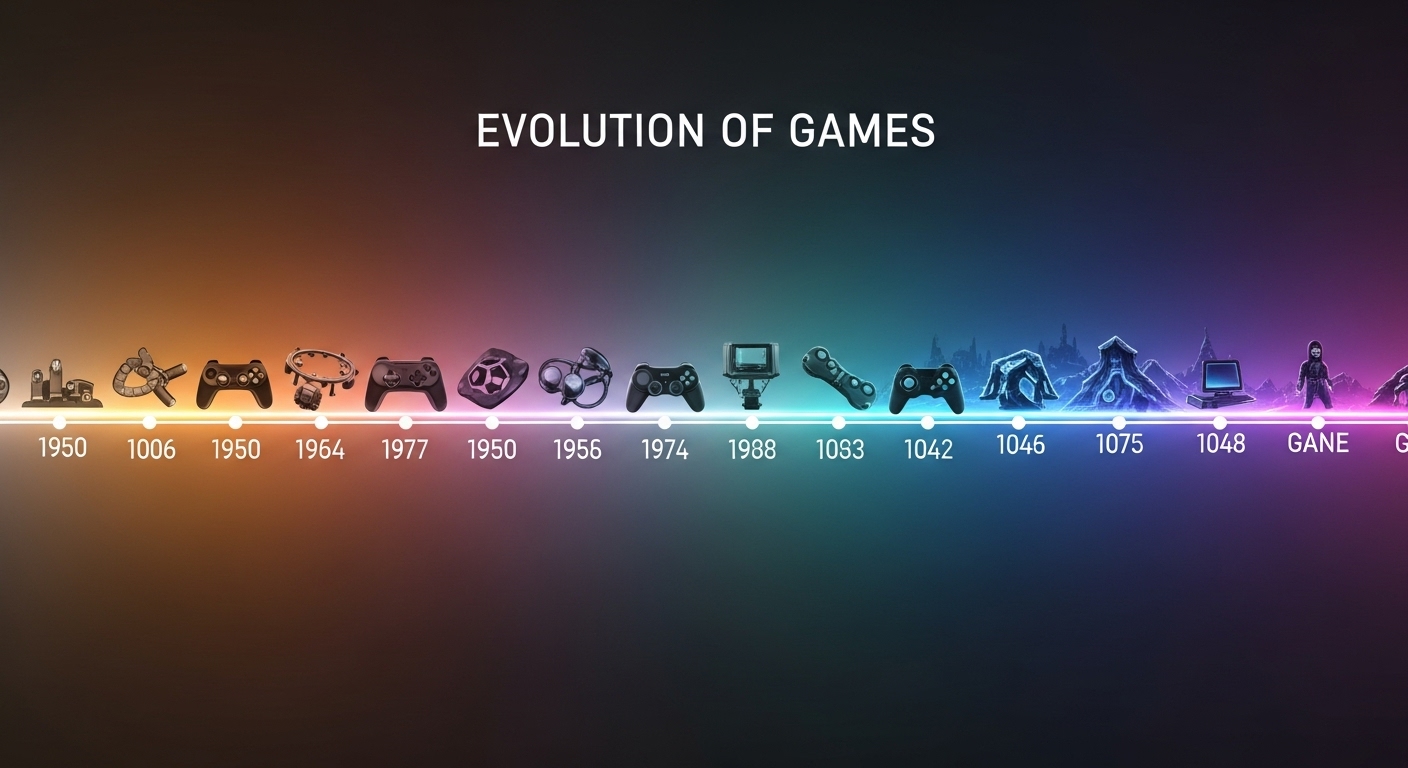
Games have been a fundamental part of human civilization for millennia, acting as tools for entertainment, education, and socialization. Whether through physical sports, board games, or complex video games, the act of play connects us all, transcending cultural and geographical boundaries. From the ancient games of kings and warriors to the immersive digital experiences of today, games have evolved dramatically, reflecting technological progress, societal changes, and human creativity. This blog explores the evolution of games, their impact on culture, and their growing role in the digital age.
The Origins of Games: A Historical Perspective
The origins of games are deeply rooted in human history, with evidence of play dating back to the earliest civilizations. Archaeologists have uncovered artifacts that reveal ancient games played by Egyptian, Mesopotamian, and Chinese cultures. The game of Senet, for example, dates back over 5,000 years and was played by the ancient Egyptians, possibly as a religious or spiritual activity. Similarly, the game of Go, originating in China over 2,500 years ago, was seen not only as a form of entertainment but also as a way to hone strategic thinking and decision-making.
As cultures developed, so did the complexity of their games. Ancient civilizations used games for more than just fun. They were used as educational tools to teach lessons on morality, strategy, and governance. The ancient Greeks played the game of Petteia, which was used to simulate battles and teach military tactics, while the Romans developed games that served both recreational and intellectual purposes. These early games laid the foundation for modern games, not just as entertainment, but as a vehicle for learning and personal growth.
Board and Card Games: The Rise of Strategy
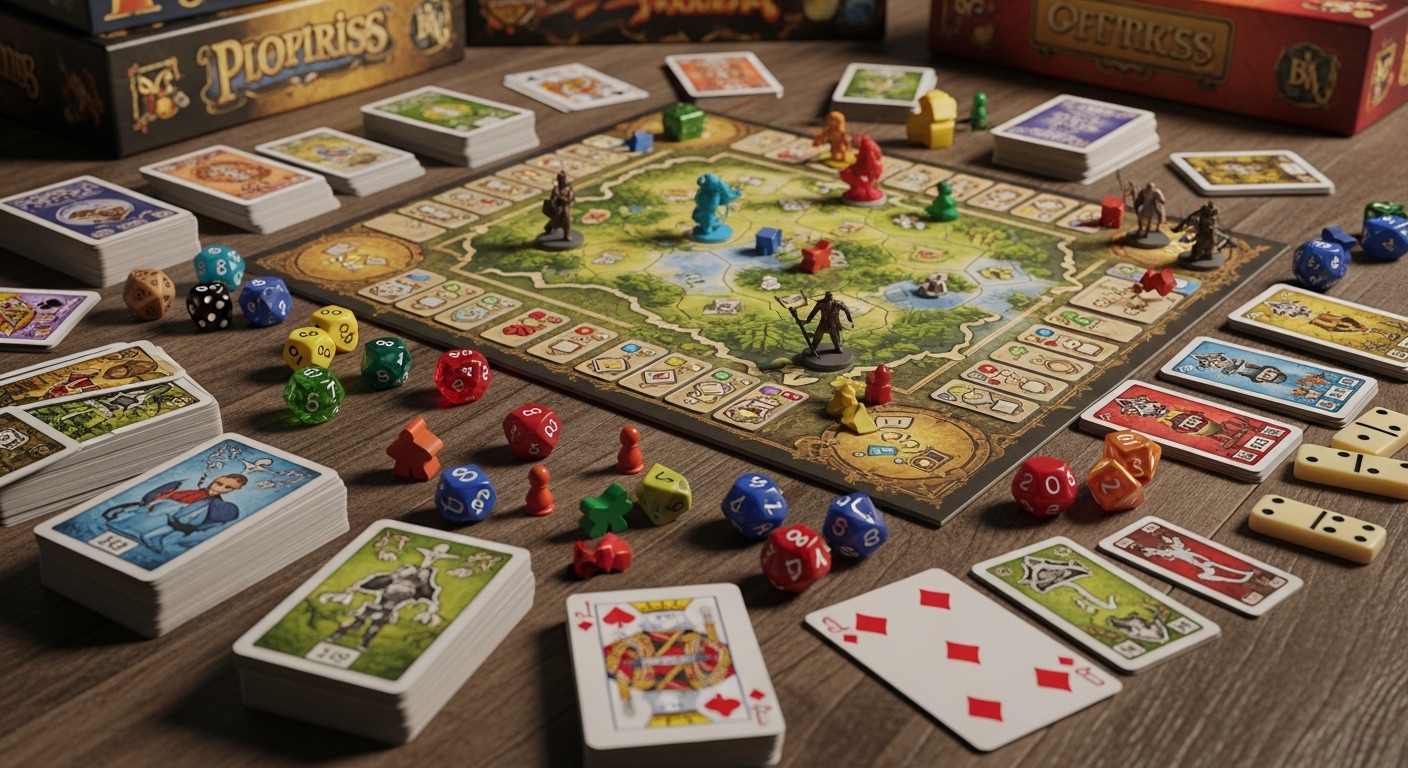
As societies progressed, board games and card games became popular forms of recreation. The game of chess, developed in India in the 6th century, is perhaps the most well-known of these strategic games. It spread to Persia, where it became known as Shatranj, and later to Europe, where it evolved into the modern form we recognize today. Chess became a symbol of intellectual prowess and strategic thinking, and its appeal endures to this day, with millions of players around the world competing in local, national, and international tournaments.
Alongside chess, card games also gained popularity, especially in Europe during the 15th century. Games like bridge, poker, and baccarat evolved into complex games of skill, chance, and psychology. These games not only became staples of social gatherings but also began to take on an economic aspect, with gambling emerging as a major part of their appeal. The social and competitive nature of these games made them significant cultural markers, shaping leisure activities and the development of gaming communities.
The Digital Age: The Birth of Video Games
The most significant shift in the world of gaming came in the 20th century with the advent of computers and the birth of video games. The first video games, like Pong and Space Invaders, were simple by today’s standards but represented a monumental leap in how games were experienced. Unlike traditional board games, video games offered interactive digital experiences, allowing players to engage in dynamic, fast-paced action. As technology advanced, so did the complexity of video games. The introduction of home consoles like the Atari 2600 and later the Nintendo Entertainment System (NES) made gaming accessible to millions of households worldwide.
The 1980s and 1990s saw the explosion of video game culture, with iconic titles like Super Mario Bros., The Legend of Zelda, and Sonic the Hedgehog captivating players of all ages. These games offered not only entertainment but also deep narratives, complex puzzles, and challenging gameplay. The increasing power of home consoles, combined with advances in graphics and sound, allowed for more immersive experiences, blurring the lines between fiction and reality. During this time, gaming became a mainstream activity, with dedicated fanbases, competitive tournaments, and even the first inklings of online multiplayer play.
The Emergence of Online Gaming
The early 2000s marked a major turning point in gaming with the rise of the internet and online multiplayer games. Titles like World of Warcraft, Counter-Strike, and Halo 2 introduced the concept of playing with or against others across the globe, bringing a new dimension to the gaming experience. Players were no longer confined to the same room or region—they could now interact with people from different countries and cultures, competing in real-time, collaborating in teams, or simply socializing.
The advent of online gaming also led to the creation of digital gaming communities, where players could share strategies, build friendships, and form clans. These communities became integral to the gaming experience, providing social connection and fostering a sense of belonging. The development of online multiplayer games helped solidify gaming as a global, social activity, where people could forge connections beyond the virtual world.
Mobile Gaming: Bringing Play to Your Fingertips
In the mid-2000s, the rise of smartphones and tablets brought a new era of gaming: mobile gaming. What once required dedicated gaming consoles or PCs could now be accessed from the palm of your hand. Games like Angry Birds, Candy Crush, and Pokémon Go became cultural phenomena, reaching audiences that had never before considered themselves gamers. Mobile games are accessible, quick to play, and often free to download, making them ideal for casual gaming sessions during commutes, breaks, or social gatherings.
Mobile gaming also introduced new mechanics and experiences. Augmented reality (AR) games like Pokémon Go allowed players to interact with the physical world in a new way, blending the virtual and real. The simplicity and accessibility of mobile games democratized gaming, bringing it to a broader, more diverse audience. Now, people of all ages and backgrounds could enjoy gaming, regardless of their access to expensive consoles or high-end PCs.
The Power of eSports and Competitive Gaming
One of the most remarkable developments in the world of games has been the rise of eSports—competitive gaming at the highest level. eSports tournaments now draw millions of viewers and offer multi-million-dollar prize pools. Games like Dota 2, League of Legends, and Fortnite have turned professional players into celebrities, with sponsorships, media deals, and massive fan followings. What began as casual multiplayer competitions has evolved into a global spectacle, with eSports leagues and tournaments being broadcast on television and streaming platforms like Twitch.
eSports has not only transformed gaming into a professional career but also created an entire industry around it. From commentators and analysts to event organizers and game developers, eSports has spawned a new wave of job opportunities and business ventures. Furthermore, the rise of eSports has legitimized gaming as a serious competitive endeavor, akin to traditional sports like football or basketball.
The Social Impact of Games
Games have a unique ability to bring people together, fostering social interaction and collaboration. Whether through local multiplayer experiences or large-scale online games, games provide a platform for players to connect with friends, family, and strangers from across the globe. This sense of community is particularly evident in online gaming, where players build relationships, share experiences, and form lasting bonds.
Moreover, games have proven to be powerful tools for education and personal development. Many games encourage critical thinking, problem-solving, and creativity, as players are often required to navigate complex challenges or design solutions in real-time. Educational games, which focus on teaching specific subjects, have become increasingly popular in schools, as they offer an engaging and interactive way for students to learn.
Games also provide an emotional outlet, offering players the chance to escape from the stresses of everyday life. Whether it’s through immersive worlds, narrative-driven experiences, or cooperative play, games allow people to unwind, explore new realities, and express themselves in ways they may not be able to in the real world.
The Future of Games: Innovation and Possibilities
The world of games continues to evolve at an astonishing pace, with new technologies constantly shaping the way we play. Virtual reality (VR) and augmented reality (AR) are expected to become more mainstream, offering even more immersive and interactive experiences. VR gaming, for example, allows players to step into fully realized digital worlds where they can engage with the environment in a way that traditional gaming does not allow. Similarly, AR has the potential to change the way we interact with the real world by overlaying digital elements onto our surroundings.
Artificial intelligence (AI) is another area poised to revolutionize gaming. AI-powered characters and game worlds that respond to player actions in increasingly realistic ways will make gaming experiences more dynamic and personalized. This could result in games that adapt to a player’s style, skill level, and decisions, creating unique experiences each time they play.
The future also holds exciting possibilities for social gaming. With the rise of cloud gaming, players can access high-quality games without the need for powerful hardware. This will make gaming more accessible to a broader audience, allowing players to enjoy cutting-edge experiences on a variety of devices, from smartphones to smart TVs.
Conclusion: The Enduring Legacy of Games
Games have come a long way from their ancient origins, evolving with technology and culture. From ancient board games to the immersive digital experiences of today, games have always been an integral part of human life. They provide entertainment, foster social connections, and offer countless opportunities for personal growth and development.
As technology continues to advance, the future of gaming looks incredibly promising. New innovations in virtual reality, artificial intelligence, and social gaming will continue to transform the way we play and interact with games. What is certain is that games will continue to be a central part of our lives, shaping our experiences, connecting us across borders, and offering endless opportunities for exploration, learning, and fun.
In the end, games are more than just a form of entertainment—they are a reflection of human creativity, imagination, and the universal desire for play.