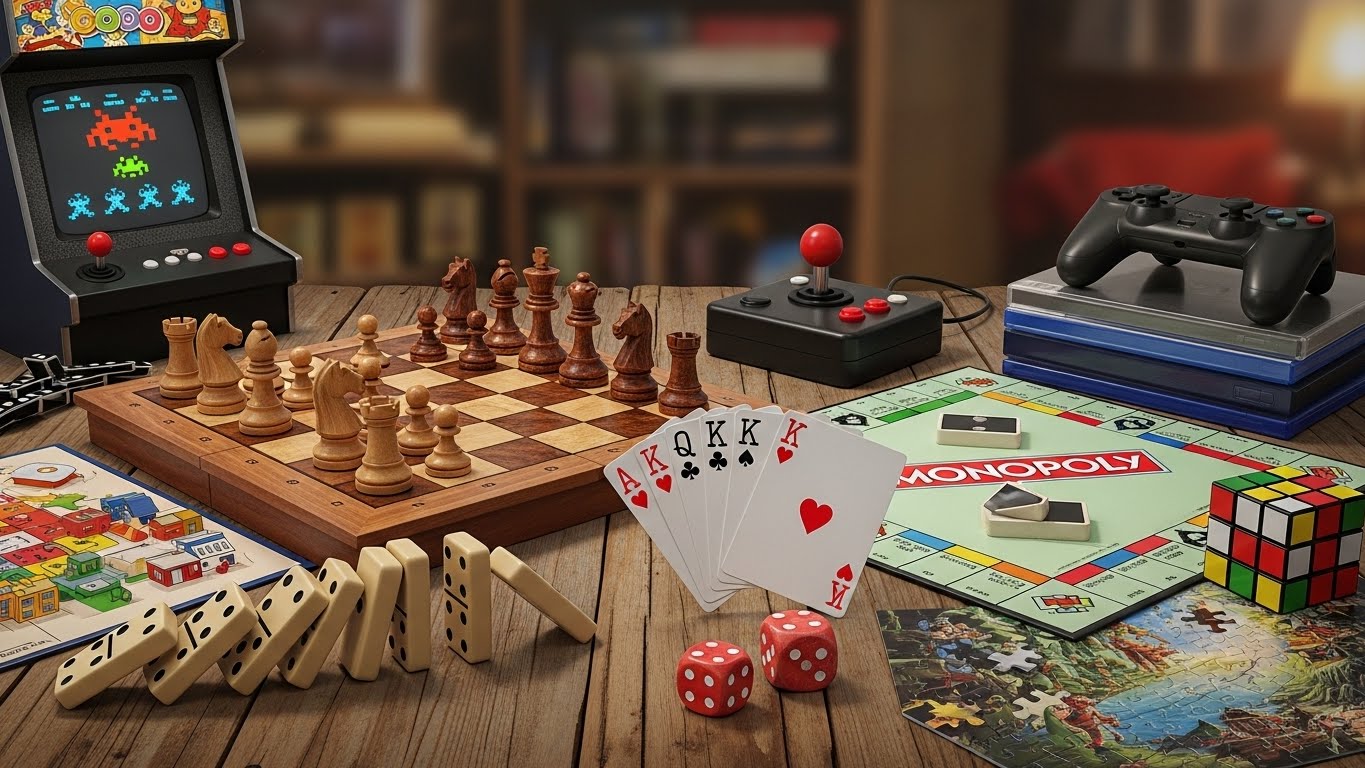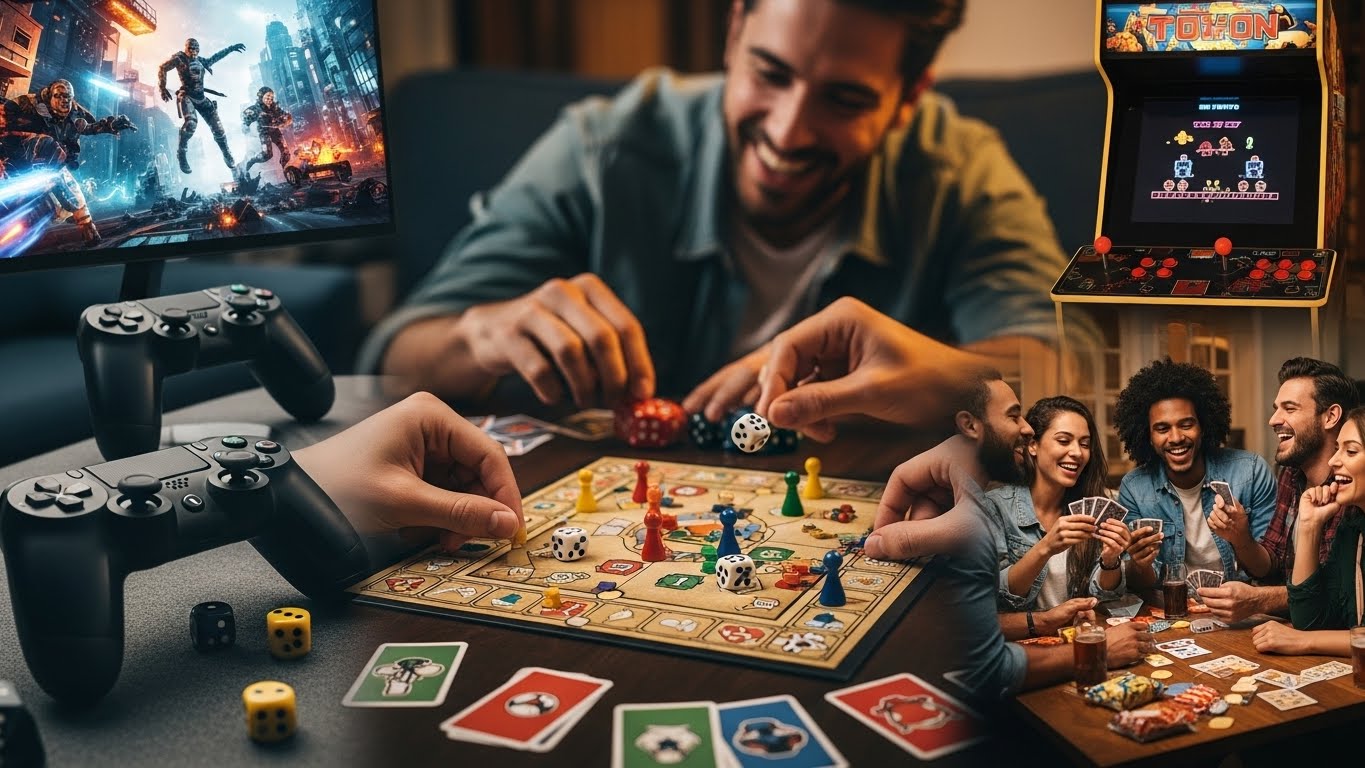
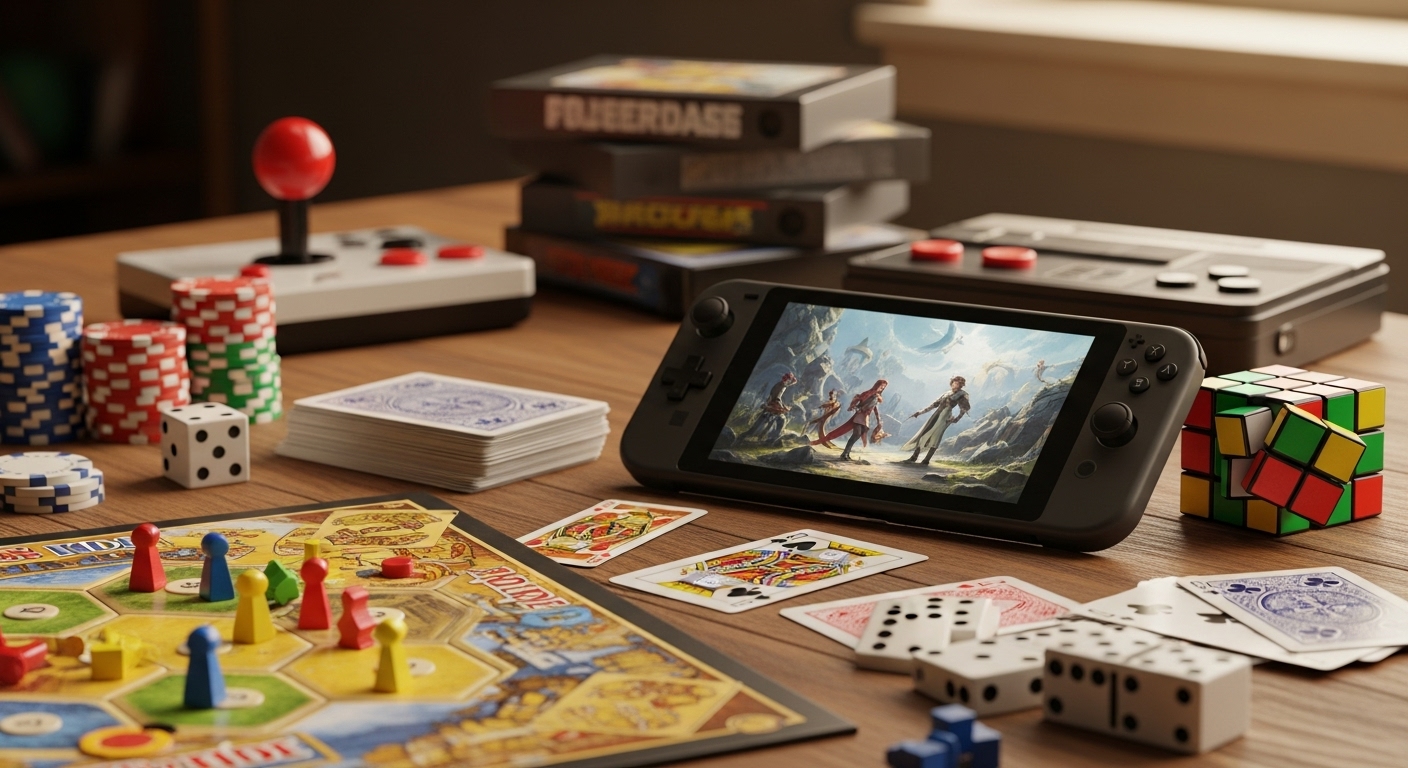
The world of games has evolved from simple, pixelated designs to incredibly immersive, lifelike experiences that engage millions of people worldwide. Whether it’s a quick match of an online multiplayer title, a deep and intricate single-player adventure, or a casual mobile game, games have become an integral part of our everyday lives. With the growth of the gaming industry, the diversity of games has also expanded, catering to different tastes, preferences, and platforms. This blog post will explore the many facets of games, including their history, the types of games, and their cultural and social impact.
The Evolution of Games: From Pong to Modern-Day Marvels
Games, in one form or another, have existed for centuries. Traditional board games, card games, and sports have always been part of human culture. However, video games, as we know them today, began to take shape in the 1950s and 1960s with the advent of computers. The first commercially successful video game, Pong, was released in 1972 by Atari and marked the beginning of the gaming era.
In the years following Pong, video games saw rapid technological advancements. The 1980s ushered in iconic games like Pac-Man, Space Invaders, and Donkey Kong, and the first home consoles, such as the Nintendo Entertainment System (NES), made gaming accessible to a wider audience. The 1990s introduced 3D graphics and the rise of powerful consoles like Sony’s PlayStation and Microsoft’s Xbox, further expanding the scope and depth of video games.
The 2000s and 2010s saw the proliferation of high-definition graphics, online multiplayer games, and the rise of digital distribution platforms like Steam. Today, the gaming industry is more advanced than ever, with cloud gaming, virtual reality (VR), and augmented reality (AR) pushing the boundaries of what games can offer. The industry is now valued in the billions and continues to evolve rapidly, influencing everything from pop culture to the world of esports.
Types of Games: A Diverse Universe of Interactive Entertainment
One of the most exciting things about the world of games is the sheer variety. Whether you’re into competitive multiplayer matches or solo adventures, there’s something for everyone. Let’s take a closer look at some of the major genres and types of games available today:
1. Action and Adventure Games
Action and adventure games have long been among the most popular and influential genres in gaming. These games typically involve players taking on the role of a protagonist who embarks on an exciting journey, often involving combat, exploration, puzzles, and storytelling. The Legend of Zelda, Uncharted, Tomb Raider, and Assassin’s Creed are just a few examples of this genre, which combines fast-paced action with immersive narratives.
Action games focus on combat and gameplay mechanics, while adventure games tend to emphasize story-driven experiences and exploration. Many modern games, such as The Witcher 3: Wild Hunt and Red Dead Redemption 2, blend elements of both genres, offering expansive worlds, deep character development, and action-packed gameplay.
2. Role-Playing Games (RPGs)
Role-playing games allow players to step into the shoes of a character and experience a narrative-driven world. RPGs are characterized by their focus on character customization, decision-making, and complex storylines. In these games, players often level up their characters, make choices that affect the world around them, and engage in deep quests or missions.
There are two major sub-genres of RPGs: Western RPGs (WRPGs) and Japanese RPGs (JRPGs). WRPGs, such as The Elder Scrolls V: Skyrim and Mass Effect, focus on player freedom, open-world exploration, and branching narratives. JRPGs, such as Final Fantasy and Persona, are often more linear in terms of story but offer unique artistic styles and turn-based combat systems.
MMORPGs (Massively Multiplayer Online Role-Playing Games) like World of Warcraft and Final Fantasy XIV take this concept to another level by allowing players to interact with thousands of others in a shared virtual world, creating vast online communities.
3. Simulation Games
Simulation games are designed to replicate real-world activities and environments. These games often require players to manage resources, simulate systems, or make decisions that affect the virtual world. Examples include games like The Sims, SimCity, and Microsoft Flight Simulator. These games appeal to players who enjoy strategic thinking, management, and creativity.
Some simulation games, like Animal Crossing: New Horizons, offer a more relaxing experience, focusing on activities like farming, fishing, and home decoration, while others, such as Cities: Skylines, allow players to design and build complex cities, solving problems related to urban planning.
4. Strategy Games
Strategy games require players to plan, think critically, and make decisions that affect the outcome of the game. These games can be divided into two primary sub-genres: real-time strategy (RTS) and turn-based strategy (TBS).
RTS games, like StarCraft II and Age of Empires, require players to make real-time decisions and manage resources to build armies, defend bases, and conquer territories. TBS games, such as Civilization VI and XCOM, involve taking turns to move units, make tactical decisions, and outmaneuver opponents.
These games often require patience and foresight, as players must carefully consider their strategies, manage resources, and anticipate the moves of their opponents.
5. Sports and Racing Games
Sports and racing games are popular across all platforms, offering a variety of experiences that cater to both casual players and hardcore fans. Sports games, like FIFA, NBA 2K, and Madden NFL, replicate real-life sports and often feature realistic graphics, physics, and gameplay. Racing games, such as Gran Turismo, Forza Horizon, and Mario Kart, offer thrilling experiences that involve speed, precision, and strategy.
These games allow players to compete with friends, join online multiplayer leagues, or engage in single-player campaigns. Many sports games also incorporate career modes, where players can take control of athletes or teams and manage their progress over multiple seasons.
6. Casual and Mobile Games
Casual games are designed for short play sessions and are easy to pick up and play. These games often feature simple mechanics and addictive gameplay, making them perfect for players looking for quick entertainment. Mobile games, like Candy Crush Saga, Clash of Clans, and Angry Birds, fall into this category.
Casual games have become incredibly popular due to their accessibility and ease of play. With the rise of smartphones and tablets, millions of players can enjoy these games without the need for expensive gaming consoles or PCs. Many mobile games also incorporate microtransactions, allowing players to purchase in-game items or currency to enhance their experience.
The Cultural Impact of Games
Games are no longer seen as a niche hobby; they have become a global phenomenon that has left a significant mark on pop culture. The influence of games can be seen in music, movies, and television, as well as in the way people socialize and communicate.
1. Esports: The Rise of Competitive Gaming
Esports, or competitive gaming, has emerged as one of the most significant cultural shifts in recent years. Games like League of Legends, Dota 2, and Fortnite have transformed into professional sports, with large-scale tournaments and millions of dollars in prize money up for grabs. These events are watched by millions of viewers online and have even been broadcasted on television.
Esports has not only created new career opportunities for players, coaches, and analysts but has also forged a new type of community where fans can engage with their favorite teams and players. Esports has become a global industry, with sponsorships, advertising, and merchandise sales fueling its growth.
2. Games and Socialization
Games have always been a way to bring people together. The rise of online multiplayer games, such as Fortnite, Call of Duty, and Minecraft, has allowed players to connect with friends, form teams, and compete in virtual worlds. Social gaming has become an important aspect of modern life, especially with the advent of platforms like Discord, which allow players to chat and coordinate while gaming.
Moreover, streaming platforms like Twitch have further enhanced this sense of community by allowing players to watch their favorite streamers and interact with them in real-time. Watching someone play a game has become just as engaging as playing it, and the rise of game streaming has turned gaming into a spectator sport.
The Future of Games
The future of games looks incredibly exciting. With advancements in technology such as virtual reality (VR), augmented reality (AR), and artificial intelligence (AI), the next generation of games promises to be even more immersive and interactive. VR gaming is already starting to offer new dimensions of immersion, and as the technology continues to improve, it will open up new possibilities for players to explore and interact with virtual worlds.
The growth of cloud gaming platforms, such as Google Stadia and Microsoft’s Project xCloud, is also transforming the way people play games. With cloud gaming, players can access high-quality games without the need for powerful hardware, making gaming more accessible to people who may not be able to afford expensive gaming PCs or consoles.
As the gaming industry continues to evolve, we can expect even more innovative experiences that will continue to shape our entertainment, social interactions, and cultural norms.
Conclusion
The world of games is a vast, dynamic, and ever-evolving landscape. From their humble beginnings as pixelated arcade machines to the immersive, narrative-driven experiences we have today, games have become an essential part of modern entertainment. Whether you’re a fan of action-packed adventures