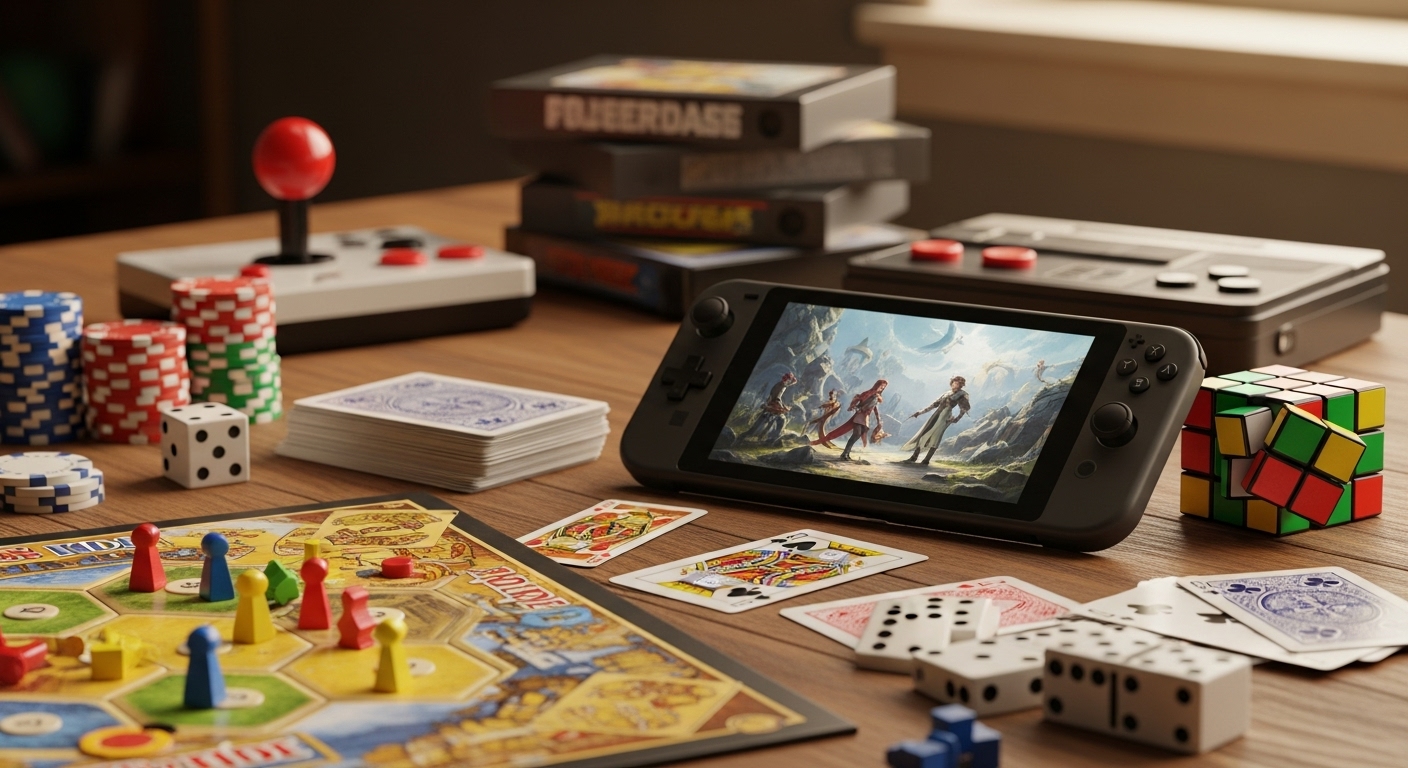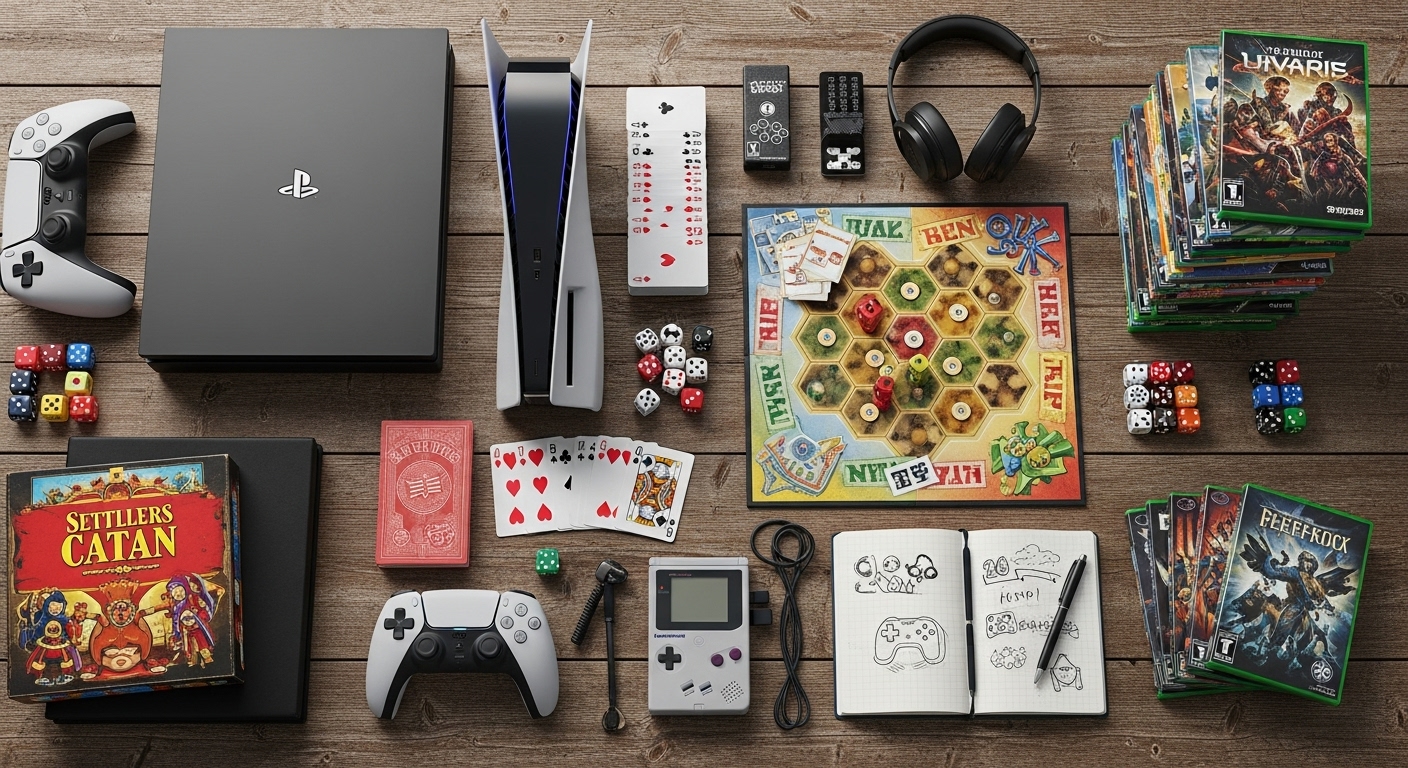
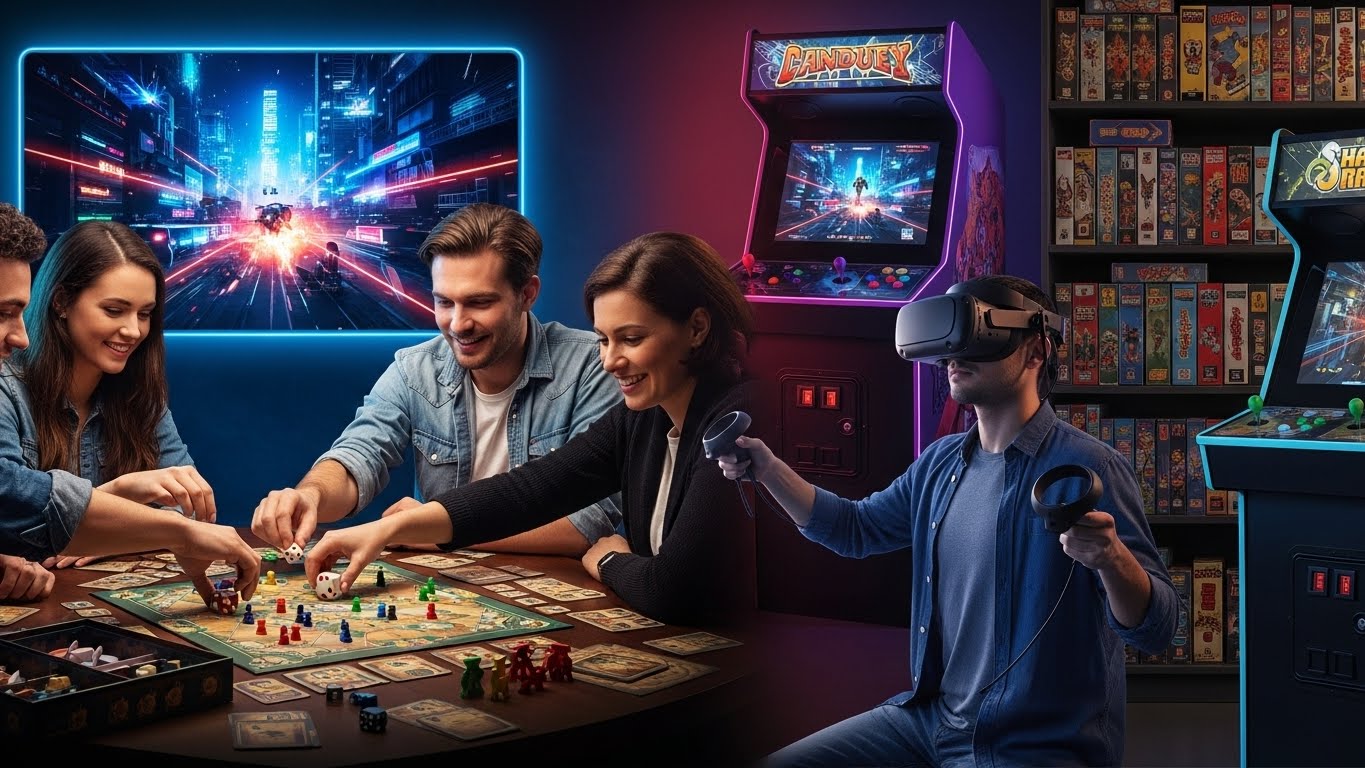
Games have always been a powerful part of human life. From ancient civilizations carving game boards into stone to modern players exploring vast digital universes, games reflect creativity, competition, and curiosity. They entertain us, challenge our thinking, and connect people across cultures and generations. In today’s world, games are no longer just a way to pass time; they are a major force shaping entertainment, education, technology, and social interaction.
The Origins of Games and Play
The concept of play is as old as humanity itself. Early games were often simple, built from stones, sticks, or drawings in the sand. These games taught essential life skills such as strategy, cooperation, and patience. Ancient board games like chess, dice-based games, and physical contests were enjoyed by kings and commoners alike, showing that games have always crossed social boundaries.
Games also served cultural and spiritual purposes. Some were linked to rituals, while others represented battles, journeys, or moral lessons. These early forms of play laid the foundation for modern games, proving that humans naturally seek structured challenges and meaningful interaction.
The Rise of Modern Games
As societies advanced, games became more organized and widespread. Board games, card games, and outdoor sports gained popularity, especially during the industrial age when leisure time increased. Families gathered around tables to play, and communities bonded through shared competition and fun.
The invention of electronic technology marked a turning point. Early arcade machines introduced interactive digital play, capturing attention with simple mechanics and engaging visuals. Home consoles and personal computers soon followed, bringing games directly into households and changing entertainment forever.
The Evolution of Video Games
Video games have evolved faster than almost any other entertainment medium. Early games relied on simple graphics and repetitive gameplay, but they sparked imagination and excitement. Over time, advancements in hardware and software allowed developers to create more detailed worlds, realistic characters, and complex stories.
Modern games feature cinematic visuals, professional voice acting, and dynamic environments that respond to player choices. Open-world games allow players to explore freely, while narrative-driven titles offer emotional stories that rival books and films. This evolution has transformed video games into immersive experiences rather than simple distractions.
Games as a Form of Art and Storytelling
Games are now widely recognized as a creative art form. They combine visual design, music, writing, and interactive mechanics to tell stories in unique ways. Unlike movies or novels, games allow players to influence the narrative, making each experience personal and memorable.
Story-based games explore themes such as identity, sacrifice, morality, and survival. Players often form deep emotional connections with characters, experiencing triumph, loss, and growth through gameplay. This interactive storytelling makes games one of the most engaging narrative mediums available today.
The Psychological Impact of Games
Games engage the human mind in powerful ways. They stimulate problem-solving, improve focus, and encourage strategic thinking. Many games are designed around progression systems that reward effort and learning, motivating players to improve their skills.
Playing games can also reduce stress and provide a healthy escape from daily pressures. Immersive worlds allow players to relax, explore, and recharge mentally. When played in moderation, games can support emotional well-being and cognitive development.
Social Connection Through Games
One of the most significant changes in gaming is its social dimension. Multiplayer games enable people from different parts of the world to interact, collaborate, and compete. Online communities form around shared interests, creating friendships that extend beyond the game itself.
Cooperative games encourage teamwork and communication, while competitive games build resilience and discipline. Even single-player games often spark social interaction through discussions, fan communities, and shared experiences. Games have become a global language that connects people regardless of background or location.
Games and Education
Games are increasingly used as educational tools. Learning through play has proven to be effective, especially for developing problem-solving skills and critical thinking. Educational games turn complex subjects into engaging challenges, making learning enjoyable and memorable.
Many mainstream games also offer educational value. Strategy games teach resource management and planning, simulation games introduce real-world systems, and puzzle games enhance logical reasoning. Through play, players learn persistence, creativity, and adaptability.
The Growth of Mobile and Casual Games
Mobile gaming has expanded the reach of games to an unprecedented audience. Smartphones allow people of all ages to play games anytime and anywhere. Casual games appeal to those seeking quick entertainment, while more complex mobile titles offer deep gameplay experiences.
This accessibility has changed perceptions of gaming. No longer limited to dedicated consoles or PCs, games are now part of everyday life. This shift has made gaming more inclusive, bringing together players from diverse age groups and lifestyles.
Indie Games and Creative Freedom
Independent game developers have brought fresh ideas and innovation to the gaming industry. Free from the constraints of large studios, indie creators experiment with unique art styles, mechanics, and storytelling approaches. These games often focus on emotional depth, originality, and personal expression.
Indie games prove that creativity matters more than budget. Many have achieved critical and commercial success, influencing mainstream game design and expanding the definition of what games can be.
Challenges in the Gaming Industry
Despite its many benefits, gaming also faces challenges. Excessive play can lead to physical and mental health concerns if not balanced with other activities. Online toxicity and negative behavior remain issues in some gaming communities, affecting player experience.
Representation and diversity are ongoing conversations within the industry. While progress has been made, continued effort is needed to ensure that games reflect a wide range of voices, cultures, and experiences. Responsible development and positive community engagement are key to addressing these challenges.
The Future of Games
The future of gaming promises even greater innovation. Technologies such as virtual reality, artificial intelligence, and cloud-based platforms are redefining how games are played and experienced. Future games may adapt dynamically to individual players, offering personalized stories and challenges.
As boundaries between reality and digital worlds blur, games may become even more immersive and socially integrated. They may play larger roles in education, professional training, and creative expression, further cementing their place in modern society.
Conclusion
Games are far more than entertainment. They are tools for learning, platforms for creativity, and bridges between people across the globe. From ancient board games to expansive digital worlds, games have evolved alongside humanity, reflecting our values, dreams, and innovations.
As technology advances and creativity continues to flourish, games will remain a vital part of human culture. They invite us to play, to learn, and to connect, reminding us that within every challenge lies an opportunity for growth and joy. The world of games is vast, meaningful, and ever-changing, and its influence will continue to shape generations to come.