Games have been an integral part of human culture for centuries, evolving from simple pastimes to complex digital experiences that captivate millions worldwide. They serve not only as a form of entertainment but also as a medium for education, social interaction, and personal development. In this blog, we will explore the unique aspects of games, their evolution, types, impact on society, and why they hold a special place in human life.
The Evolution of Games
Games have existed in some form since ancient civilizations. Early examples include board games like Senet in Egypt and Go in China, which were more than just entertainment; they were tools for strategy and social bonding. Over time, games evolved into physical sports, card games, and eventually, video games.
The 20th century saw an explosion in the variety of games available. With the advent of computers and digital technology, video games became a global phenomenon, offering immersive experiences that were once unimaginable. Modern games are not limited to consoles; they span smartphones, PCs, and even virtual reality platforms, creating a universe of interactive entertainment.
Types of Games
Games come in a wide variety of formats, each offering unique experiences and challenges. Understanding the different types of games helps us appreciate the creativity and innovation involved in game design.
Board Games
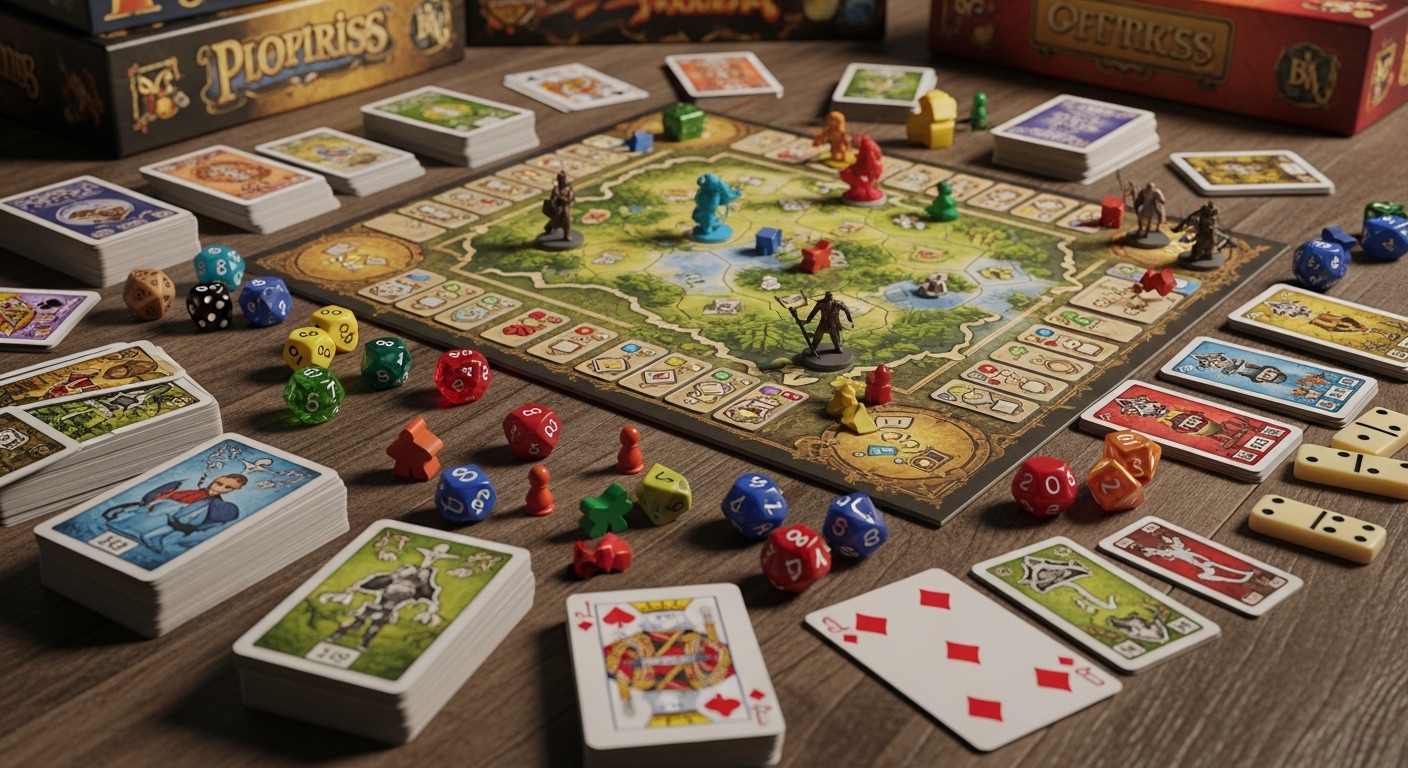
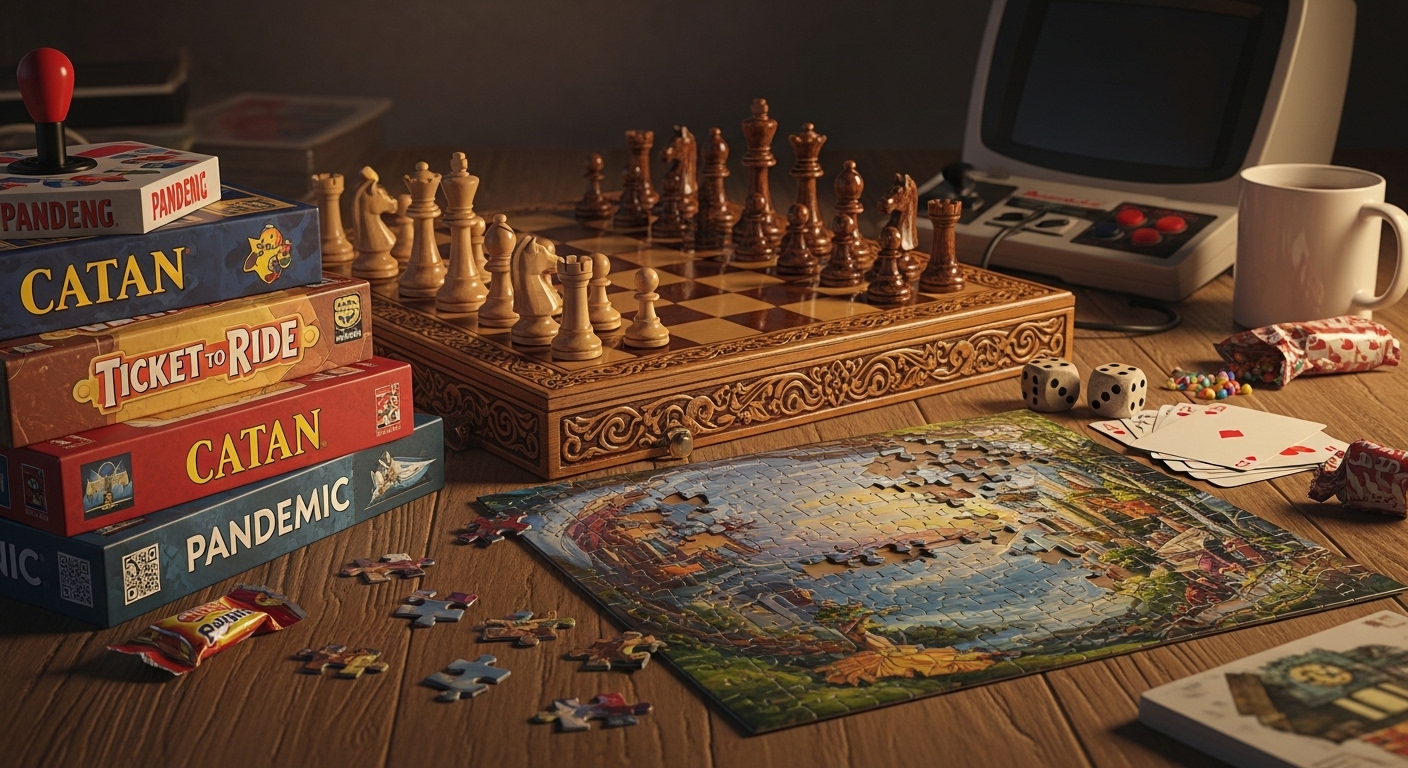
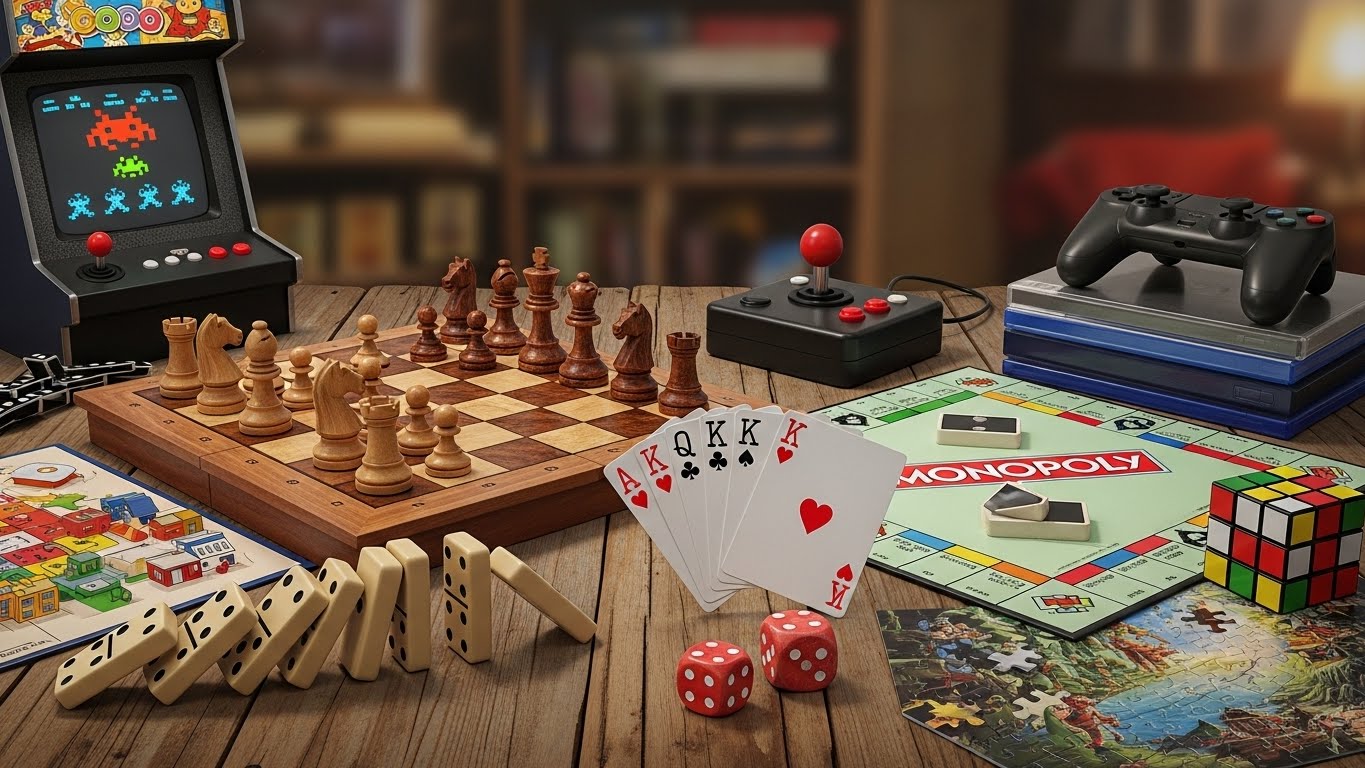
Board games are some of the oldest forms of gaming. They range from simple games like Ludo to complex strategy games like Chess and Settlers of Catan. Board games encourage strategic thinking, problem-solving, and social interaction, making them timeless favorites.
Card Games
Card games like Poker, Solitaire, and Bridge offer both luck and strategy. They have historically been popular as social games but have also become competitive sports with international tournaments. The element of unpredictability in card games keeps players engaged and challenged.
Video Games
Video games have transformed the gaming landscape dramatically. They can be single-player adventures, multiplayer online battles, or massive open-world simulations. Genres vary from action and adventure to simulation, role-playing, and puzzle-solving. Modern video games often incorporate storytelling, artistic visuals, and complex mechanics, creating deeply immersive experiences.
Sports and Physical Games
Sports like football, basketball, and tennis are games in their purest physical form. They not only promote health and fitness but also teach teamwork, discipline, and resilience. Traditional games like tag, hopscotch, and dodgeball continue to entertain children while fostering social skills and physical agility.
Educational Games
Educational games are designed to make learning engaging. They can range from digital applications that teach math or language skills to interactive science kits. By combining fun and education, these games enhance knowledge retention and problem-solving skills in children and adults alike.
Why Games Matter
Games are not just a pastime; they play a significant role in human development and society. Their influence extends beyond entertainment, impacting cognitive skills, social behavior, and mental well-being.
Cognitive Development
Games, especially strategy-based ones, stimulate the brain. They enhance problem-solving, critical thinking, and memory skills. Video games, in particular, require multitasking, quick decision-making, and adaptability, which translate into real-life cognitive benefits.
Social Interaction
Multiplayer and team-based games foster social skills and communication. Whether playing a board game with family, a team sport with friends, or an online multiplayer game, players learn to cooperate, negotiate, and resolve conflicts. These skills are invaluable in everyday life.
Emotional Well-Being
Playing games is a great way to relieve stress. They provide an outlet for relaxation and creativity while offering a sense of achievement through progression and rewards. For many, gaming is a therapeutic activity that can improve mood and emotional resilience.
Cultural Impact
Games reflect and shape culture. They tell stories, represent social values, and even influence fashion, music, and media. Iconic games become cultural phenomena, creating communities and inspiring creativity in countless ways.
Innovative Trends in Gaming
The gaming industry is constantly evolving, with technology driving innovation. New trends are shaping the future of games and expanding the ways people interact with them.
Virtual Reality and Augmented Reality
Virtual reality (VR) and augmented reality (AR) are transforming gaming experiences. VR immerses players in fully interactive 3D worlds, while AR overlays digital elements onto the real world. These technologies create unprecedented levels of engagement and realism.
Mobile Gaming
Mobile games have made gaming more accessible than ever. With millions of people playing on smartphones daily, games have become a convenient and portable source of entertainment. Mobile gaming often incorporates social features, allowing players to connect and compete globally.
Esports
Esports has turned gaming into a professional sport. Competitive gaming tournaments attract millions of viewers worldwide, with players achieving celebrity status. Esports promotes skill, teamwork, and strategic thinking, highlighting gaming as a legitimate competitive activity.
Gamification
Gamification uses game elements in non-game contexts, such as education, fitness, and business. By applying points, rewards, and challenges, gamification motivates and engages people, demonstrating how gaming principles can enhance real-world experiences.
The Psychology Behind Gaming
Understanding why people play games helps explain their enduring popularity. Games appeal to intrinsic human motivations such as achievement, exploration, social interaction, and competition.
Achievement and Progress
Games provide measurable goals and rewards, which satisfy the human desire for achievement. Completing challenges, unlocking new levels, and earning rewards creates a sense of accomplishment and motivation.
Exploration and Curiosity
Games often create immersive worlds that encourage exploration. Players enjoy discovering hidden secrets, solving puzzles, and interacting with dynamic environments, stimulating curiosity and creativity.
Competition and Social Comparison
Competition is a strong motivator in games. Players are driven to improve their skills and compare themselves with others. Friendly competition fosters social bonds and personal growth, while professional gaming can lead to recognition and success.
Escape and Stress Relief
Games provide a safe space to escape from daily stress and responsibilities. Immersive narratives and engaging mechanics allow players to temporarily disconnect, recharge, and experience new perspectives.
Challenges in the Gaming World
Despite their benefits, games also pose challenges. Issues like addiction, excessive screen time, and exposure to inappropriate content require careful management by players and guardians.
Gaming Addiction
Excessive gaming can interfere with daily life, work, and relationships. It is important to maintain balance and prioritize responsibilities while enjoying gaming as a hobby rather than a compulsion.
Health Concerns
Prolonged gaming sessions can lead to physical strain, such as eye fatigue, poor posture, and repetitive stress injuries. Regular breaks, ergonomic setups, and physical activity are essential to maintain health.
Ethical Considerations
Some games contain violent or inappropriate content that may influence behavior. Developers and parents need to consider age-appropriate ratings and content guidelines to ensure safe gaming experiences.
The Future of Games
The future of games looks bright and full of possibilities. Advances in technology, storytelling, and interactive design will continue to redefine the gaming experience. Artificial intelligence may create adaptive and personalized gameplay, while immersive simulations may become integral to education, training, and virtual socialization.
Games are no longer just leisure activities; they are powerful tools for learning, creativity, and human connection. As gaming continues to evolve, it will remain an essential part of our culture, shaping how we play, learn, and interact with the world.
Conclusion
Games are more than mere entertainment; they are a reflection of human creativity, strategy, and social interaction. From ancient board games to cutting-edge virtual reality experiences, games have shaped cultures, nurtured skills, and connected people across the globe. They challenge the mind, foster relationships, and provide joy, making them indispensable in our lives. Understanding the significance of games allows us to appreciate not just the fun they bring but the deeper impact they have on personal and societal development. Whether you play for relaxation, competition, or learning, games will continue to captivate and inspire generations to come.