Introduction
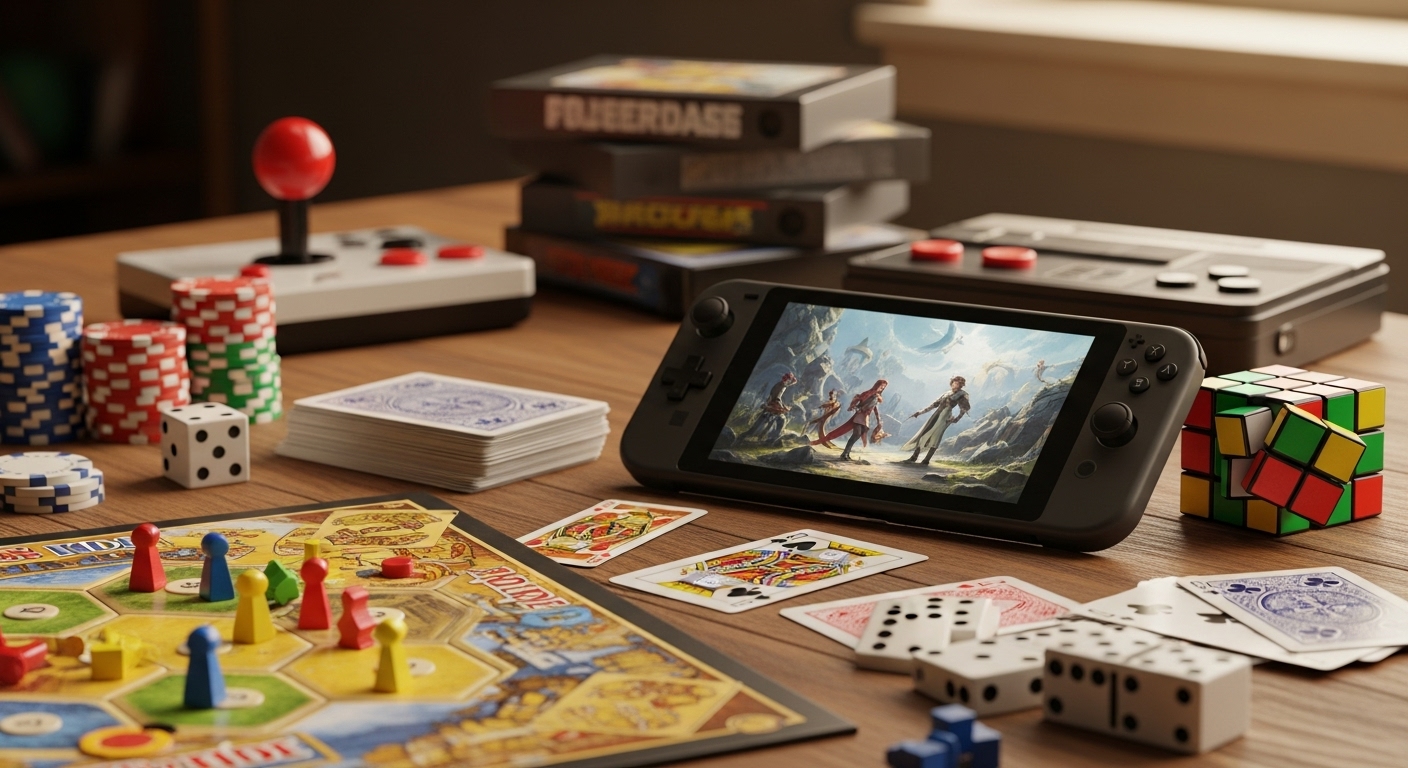
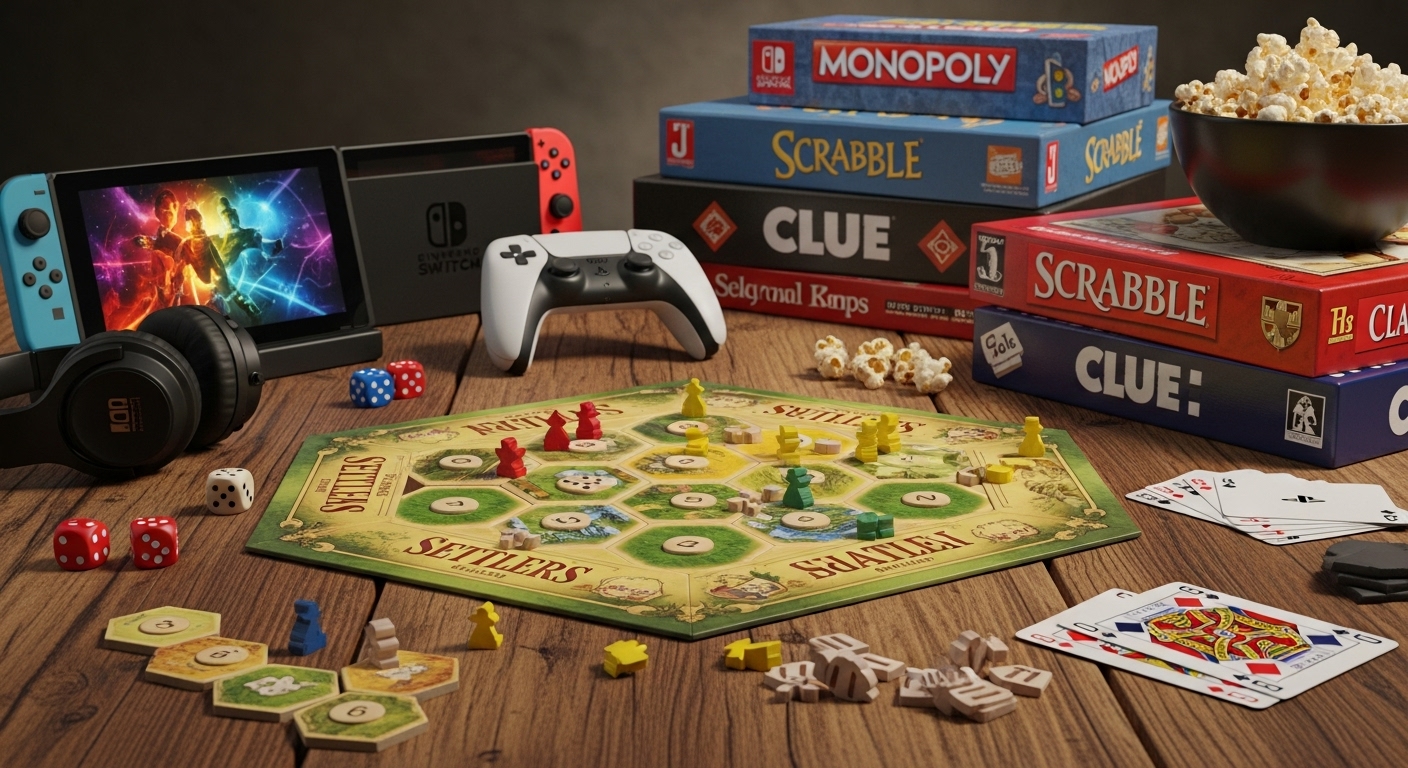
Games have always been an integral part of human culture, transcending generations and borders. From the simple acts of children playing tag in a park to the sophisticated digital experiences we now enjoy, games have evolved dramatically over time. They have shaped societies, tested human intellect, and brought people together. Whether they involve strategy, chance, or skill, games serve as more than just entertainment—they are tools for learning, socialization, and even personal growth. In this blog, we explore the fascinating journey of games, their impact on society, and their ever-growing role in the digital age.
The Historical Roots of Games
The origins of games can be traced back thousands of years. Archaeological evidence shows that ancient civilizations in Egypt, Mesopotamia, and China enjoyed various forms of play, many of which laid the foundation for modern games. For example, the ancient Egyptians played Senet, one of the earliest known board games, around 3100 BCE. Meanwhile, in China, Go was developed, a game requiring deep strategy and foresight that remains popular to this day.
Games in these early societies often had more profound meanings than mere entertainment. They were used for religious rituals, decision-making, or as tools for teaching strategic thinking and war tactics. The ancient Greeks, for example, used the game of Petteia to simulate military battles, while the Romans enjoyed a game called “ludus latrunculorum” for both leisure and training. Even then, games were an essential aspect of social life and a way to engage the mind.
The Rise of Board and Card Games
As civilizations advanced, so did the complexity of their games. During the Middle Ages, board games such as chess and backgammon became more refined, evolving from simple tools of recreation to vehicles for intellectual and social exchange. Chess, which originated in India, spread to Persia, and later Europe, becoming a symbol of strategic thought and intellectual prowess. It was not merely a game, but a reflection of the organized and hierarchical nature of society itself.
Card games, on the other hand, took off in the 15th century, originating in China and spreading across Europe. The complexity of card games grew, as did their role in social gatherings. They were seen as not only an entertaining way to pass the time but also a method of improving memory, strategy, and probability skills.
These games, particularly chess and cards, carried over into the modern world as enduring staples of gameplay. Whether for casual fun or intellectual challenge, board and card games established the foundation for future game development.
The Digital Revolution: The Birth of Video Games
The most significant leap in the evolution of games came with the rise of video games in the 20th century. The invention of the computer and the subsequent development of video gaming technology revolutionized the way we think about play. It began with simple arcade games like Pong in the 1970s, where players would control paddles to hit a ball back and forth. While basic by today’s standards, these early games marked the beginning of an era that would eventually redefine entertainment.
Throughout the 1980s and 1990s, the advent of home consoles like the Nintendo Entertainment System (NES), Sega Genesis, and Sony PlayStation brought gaming to millions of households. The graphics, sound, and complexity of games improved with each new console generation, with games like Super Mario Bros., The Legend of Zelda, and Final Fantasy leading the way. These early video games offered not just an interactive experience but a window into new worlds, rich in narrative and adventure.
In the 21st century, gaming technology reached new heights with high-definition graphics, open-world environments, and online multiplayer experiences. This era brought blockbuster franchises like Halo, The Elder Scrolls, and Grand Theft Auto, alongside the explosive growth of mobile gaming. Gaming evolved from a niche hobby to a global industry, with an ever-growing player base spanning all ages and demographics.
The Role of Gaming in Modern Society
Today, games are much more than a form of entertainment—they are a cultural phenomenon. Video games, mobile apps, and online platforms have become a central part of daily life for millions of people worldwide. Whether on a smartphone, a computer, or a gaming console, people engage with games for various reasons, from relaxation and escapism to competition and socialization.
One of the most significant changes in the way people interact with games is the rise of online multiplayer experiences. Games like Fortnite, League of Legends, and Call of Duty offer a competitive, social, and immersive experience where players can connect, collaborate, and compete with others from across the globe. In many ways, the gaming community has become a second home for millions, with friendships formed in the digital space that transcend geographical and cultural boundaries.
Games have also found their place in professional sports through eSports. Competitive gaming has exploded in popularity, with professional gamers competing in tournaments watched by millions. Events like The International (Dota 2) and the League of Legends World Championship have become massive cultural spectacles, offering players the chance to compete for multi-million dollar prizes. With sponsorships, media rights deals, and massive online streaming platforms like Twitch, eSports has grown into a legitimate and booming industry.
Games as Tools for Learning and Development
Beyond entertainment, games are increasingly being recognized for their educational value. Educators are incorporating gaming into the curriculum to teach everything from history to mathematics, as games offer immersive, hands-on experiences that engage students in ways traditional teaching methods cannot. For instance, historical strategy games like Civilization allow players to explore complex themes like governance, economics, and diplomacy while having fun. These games encourage critical thinking and problem-solving skills, allowing players to experience the consequences of their decisions in a virtual environment.
Simulations and puzzles, often found in games like SimCity or Portal, foster creativity and lateral thinking. These games require players to adapt and learn from their mistakes, mirroring real-life challenges. The rise of gamified learning platforms in schools and universities demonstrates the growing recognition of games as effective tools for education.
Moreover, the development of “serious games” in areas like healthcare and psychology shows how games can serve therapeutic purposes. From helping children with autism develop social skills to providing rehabilitation exercises for stroke victims, games are being used to promote healing and well-being.
The Power of Narrative in Games
Another defining characteristic of modern games is their ability to tell stories. The narrative component of games has evolved from simple storylines to complex, branching narratives where players’ choices directly impact the outcome. Games like The Last of Us, Mass Effect, and Red Dead Redemption have set new standards in storytelling, offering rich, emotional experiences that rival the best films and books.
What makes gaming unique, however, is its interactivity. Unlike a passive experience of watching a movie, players become active participants in the story. They shape the characters’ destinies, make moral decisions, and experience the consequences of their actions. This unique blend of storytelling and gameplay has allowed video games to tackle deep, complex themes like love, loss, morality, and identity in ways other media cannot.
Games also offer the opportunity for players to explore alternate realities, whether through fantastical worlds or futuristic settings. Virtual worlds allow players to escape from the pressures of their everyday lives and immerse themselves in experiences that are both exciting and thought-provoking.
The Future of Games: Trends and Innovations
As technology continues to advance, the future of gaming promises even more innovative and immersive experiences. The rise of virtual reality (VR) and augmented reality (AR) is changing how players interact with games, offering truly immersive environments where players can physically move and interact within digital worlds. VR platforms like Oculus Rift and PlayStation VR are pushing the boundaries of gaming, allowing players to experience a level of immersion that was once thought impossible.
The next frontier of gaming may lie in artificial intelligence (AI). As AI continues to improve, we can expect even more dynamic and responsive game worlds where non-playable characters (NPCs) adapt and react to players’ decisions in more natural and realistic ways. Games may become even more personalized, tailoring experiences to individual players’ preferences and skill levels.
Cloud gaming, which allows players to stream games directly to their devices without the need for powerful hardware, is another exciting development. This will make high-quality gaming more accessible to a broader audience, as players can enjoy console-quality experiences on their smartphones, tablets, or low-end computers.
Conclusion
Games have come a long way from their humble beginnings as simple pastimes. Today, they are a global industry, an art form, an educational tool, and a form of social interaction. From ancient board games to the latest in virtual reality, games have continued to evolve, reflecting and shaping the societies in which they exist. As technology advances, the future of gaming holds endless possibilities, with new forms of interaction, deeper storytelling, and even more immersive worlds waiting to be explored. Whatever the future holds, one thing is clear: games will continue to be a central part of human culture, influencing entertainment, education, and society for generations to come.