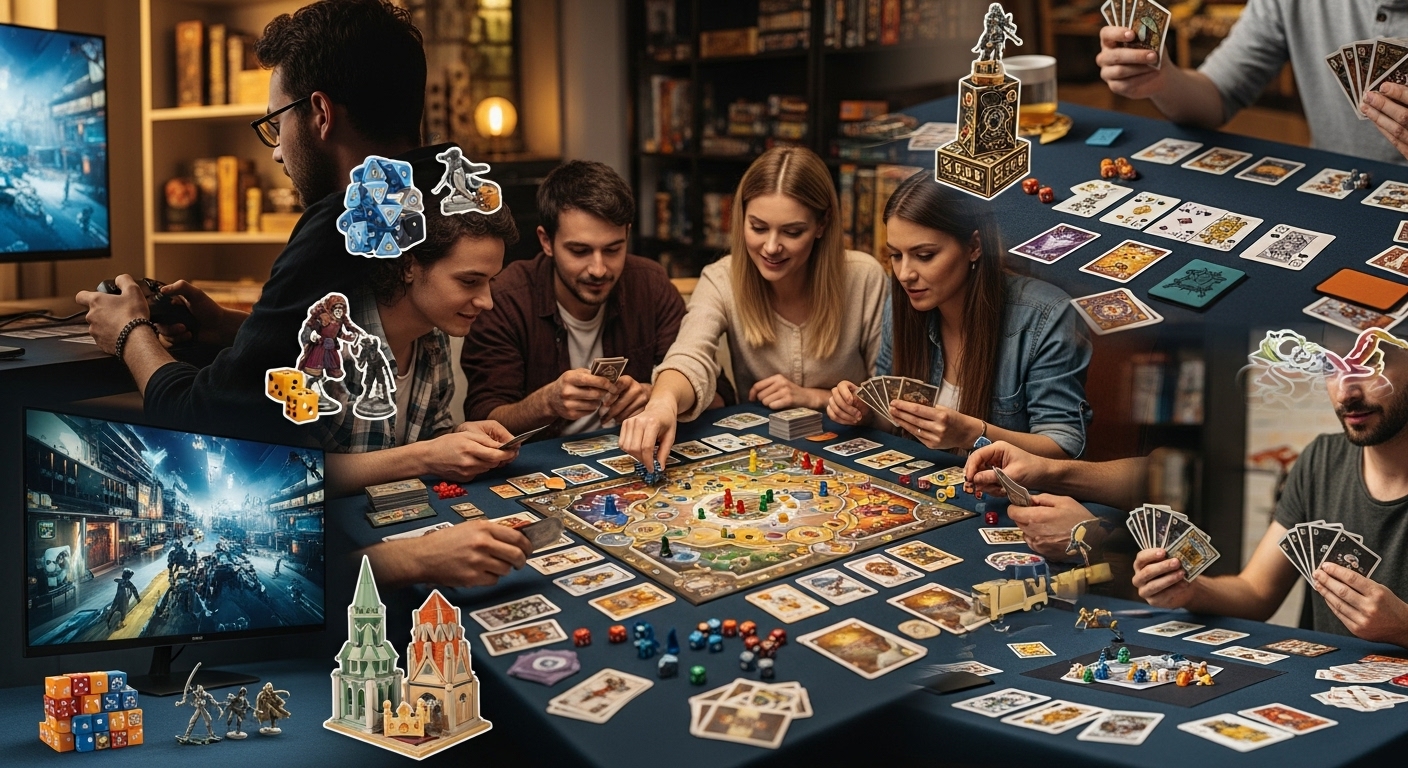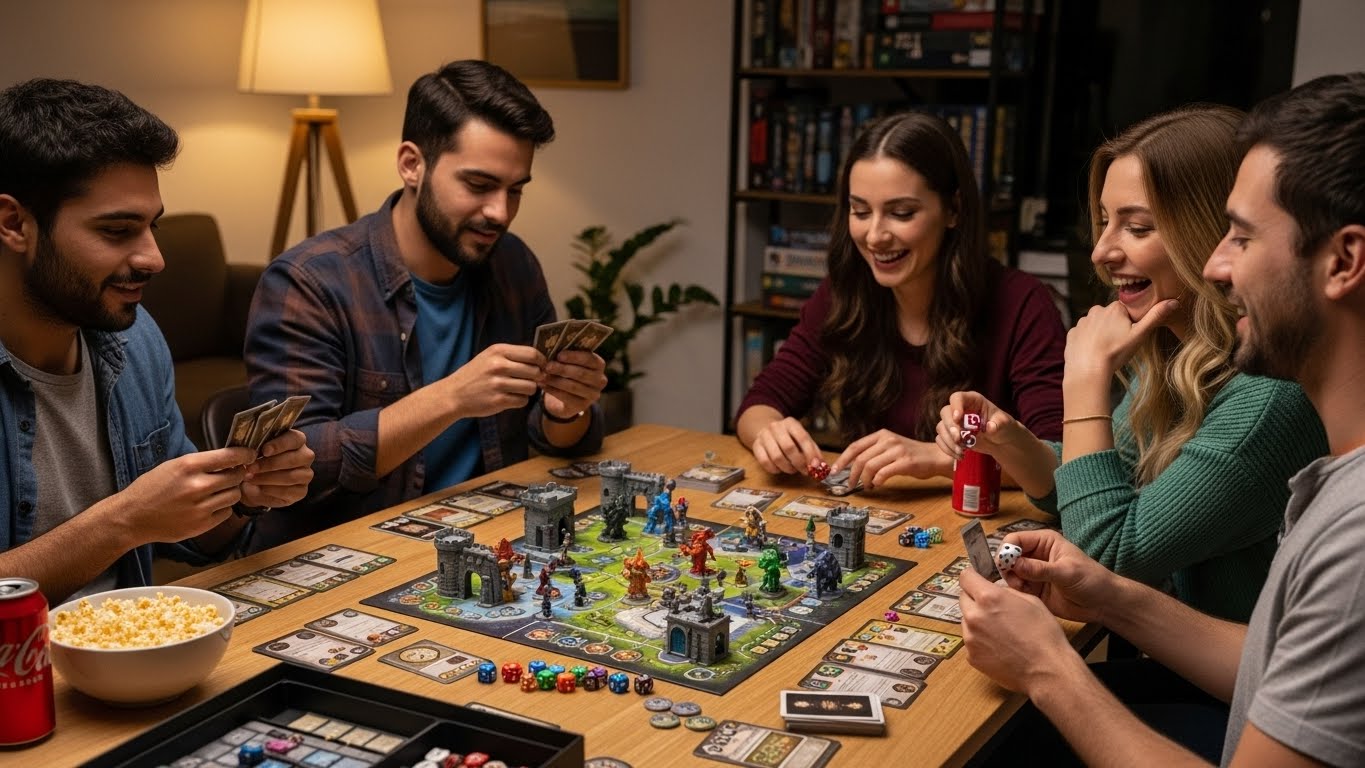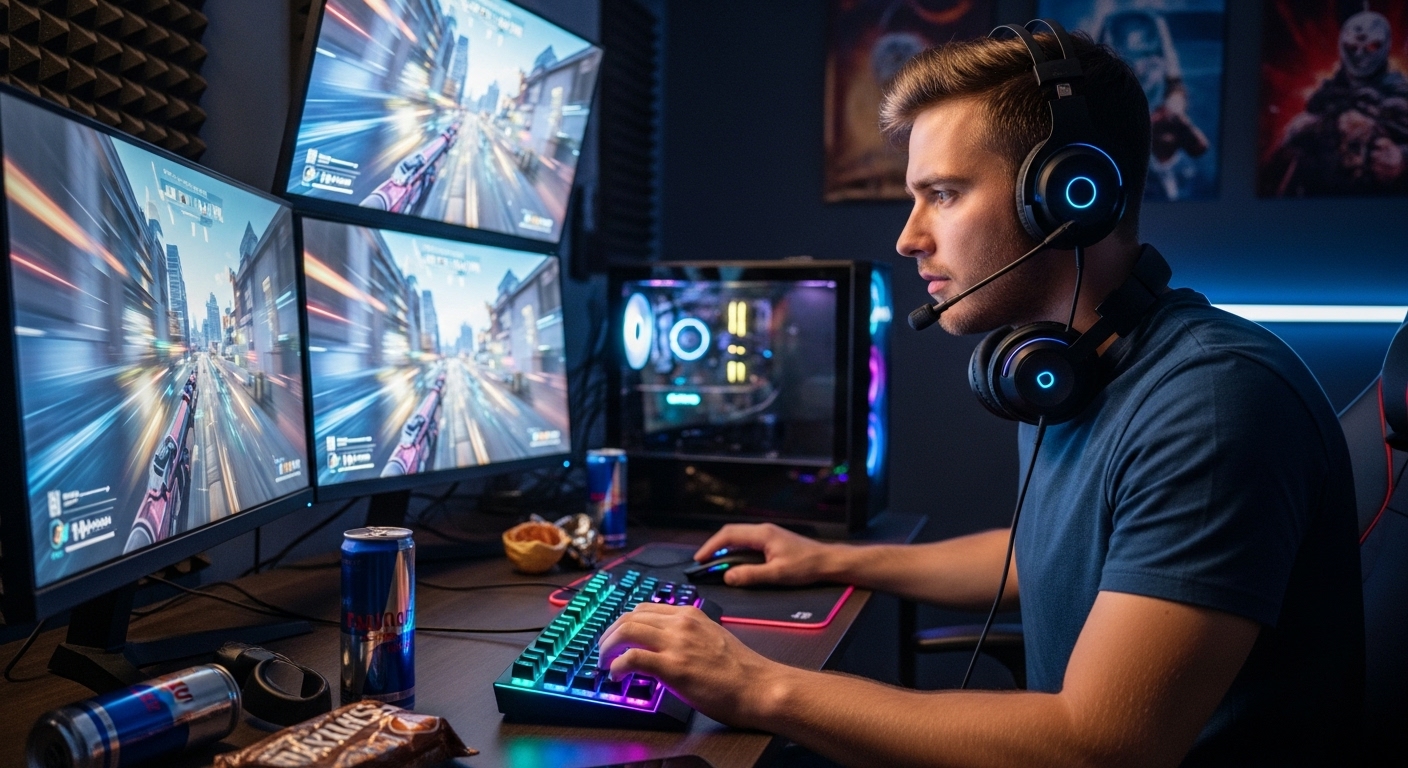
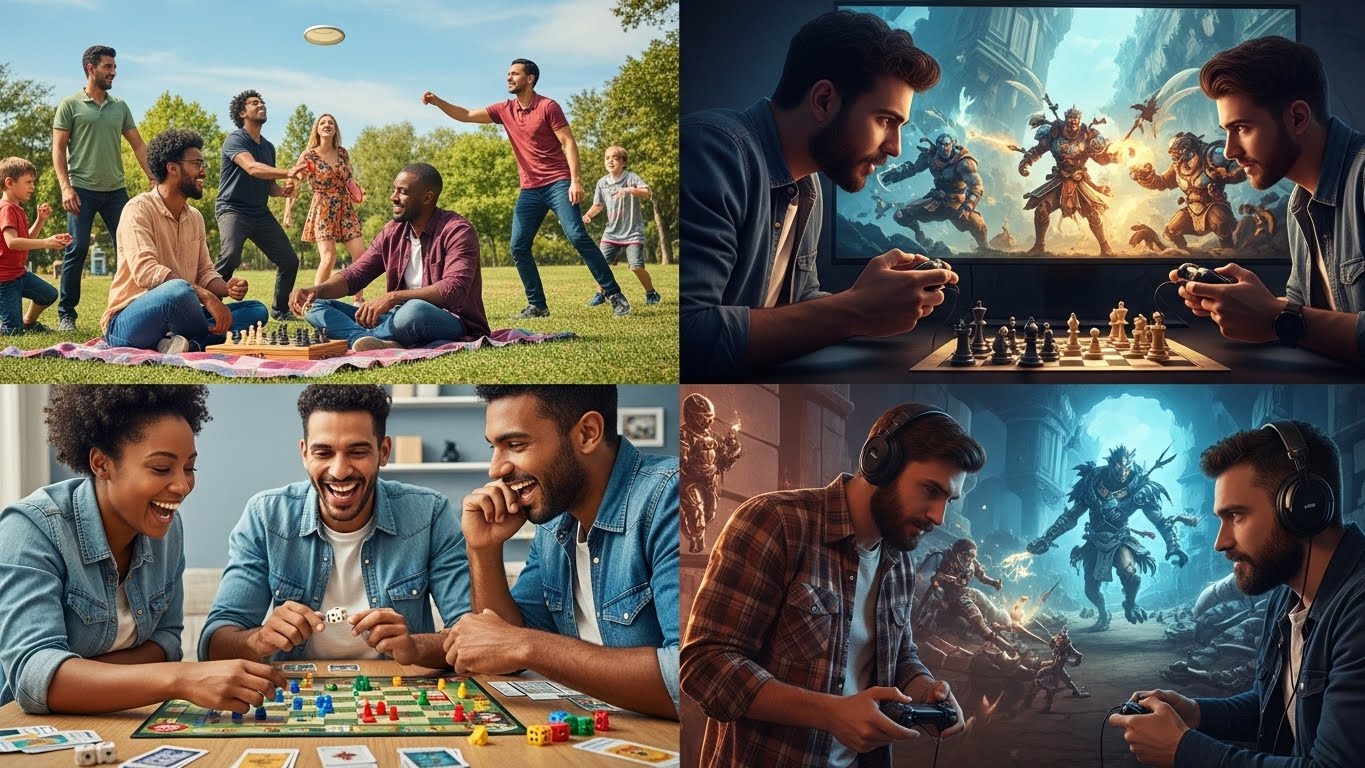
In a world where technology continues to redefine how we live, it’s no surprise that games have evolved into a global entertainment powerhouse. From the ancient games of strategy and skill to today’s immersive digital experiences, games have always held a special place in human culture. Whether it’s a simple board game, a competitive video game, or an interactive mobile game, the concept of play has evolved in tandem with our society. This blog explores the evolution of games, their cultural significance, and how gaming has transformed into a massive industry.
The Birth of Games: Ancient Roots
Games are not a modern invention. In fact, the concept of play has been embedded in human culture for thousands of years. The earliest known games date back to ancient civilizations, where games were often used for entertainment, education, or ritualistic purposes.
For instance, the game of Senet, which originated in ancient Egypt around 3100 BCE, is widely considered one of the oldest board games in history. It was played on a grid-like board, and it’s believed to have been a game of strategy, with the goal being to navigate one’s pieces to the end of the board. Similarly, the game of chess has its origins in India, evolving from a strategy game called Chaturanga, which dates back to the 6th century CE.
These early games were not only forms of entertainment but also represented a way of sharpening the mind. Many of these ancient games were based on the principles of strategy, skill, and chance, laying the groundwork for the types of games that would follow in history.
The Rise of Modern Board Games
The 19th and early 20th centuries marked the rise of modern board games, which became a staple in family entertainment. Games like Monopoly, Scrabble, and Clue revolutionized the way people viewed gaming. These games were not just about luck; they involved elements of strategy, critical thinking, and sometimes even negotiation skills.
Monopoly, for example, was invented during the Great Depression in 1935 by Charles Darrow. It quickly became a household name, and its success highlighted the power of games to bring people together during tough times. The appeal of Monopoly, along with other popular games, was its simplicity and ability to engage players of all ages, allowing families and friends to connect over a shared activity.
As board games became more popular, they became a reflection of society, addressing themes such as competition, survival, and the economy. In the case of Risk, players were tasked with conquering territories, echoing the real-world struggles of nations. Games like Life mimicked life’s major decisions, while Battleship introduced strategic thinking in a competitive environment. This era marked a golden age for games that were physical and social, offering a tangible experience that often involved multiple players.
Video Games: A New Era of Digital Play
In the 1970s, a new era of gaming began with the advent of video games. The release of arcade games like Pong in 1972, and later Space Invaders and Pac-Man, opened up a new frontier for interactive entertainment. Video games, for the first time, allowed players to engage with virtual worlds in real time, using technology to create experiences far beyond what could be achieved with traditional board games.
The 1980s and 1990s brought the introduction of home gaming consoles, such as Nintendo Entertainment System (NES) and Sega Genesis, which made it possible for people to play video games from the comfort of their homes. Titles like Super Mario Bros., The Legend of Zelda, and Street Fighter became iconic, and the gaming industry began to boom.
Video games quickly became more than just a pastime. They evolved into forms of storytelling and artistic expression, with developers creating intricate worlds and complex narratives. With the rise of personal computers in the 1990s, games like Warcraft, Starcraft, and The Sims further pushed the boundaries of gaming, introducing new genres such as real-time strategy, simulation, and role-playing.
As gaming technology continued to improve, graphics became more realistic, and gameplay more complex. The transition from 2D to 3D gaming with the release of consoles like PlayStation and Nintendo 64 marked a significant milestone in the evolution of video games. The late 1990s and early 2000s saw the rise of online multiplayer games, bringing a new dimension to gaming experiences. EverQuest, World of Warcraft, and Counter-Strike allowed players from around the world to interact in real-time, creating a global gaming community.
The Impact of Mobile Gaming
The rise of mobile gaming in the late 2000s and 2010s has brought about another transformative shift in the gaming industry. With the advent of smartphones and mobile devices, games became even more accessible. Titles like Angry Birds, Candy Crush Saga, and Clash of Clans took mobile gaming to new heights, attracting millions of players globally.
Mobile games have several key advantages that contribute to their popularity. They are often free to play, easy to pick up, and can be enjoyed in short bursts, making them ideal for casual gamers. Furthermore, the app store model has allowed small developers to reach a massive audience, democratizing game development and providing more variety for players.
Unlike traditional console games, mobile games are often designed for quick, on-the-go play. Many games, such as Pokémon Go, have also incorporated elements of augmented reality (AR), blending the digital and physical worlds in an exciting way. Mobile gaming has expanded beyond just entertainment, providing opportunities for social interaction and even education through apps designed for learning.
The Rise of Esports: Competitive Gaming at Its Best
In recent years, competitive gaming—also known as esports—has emerged as a dominant force in the gaming world. Esports refers to organized multiplayer video game competitions, often between professional players or teams. Titles like League of Legends, Dota 2, Overwatch, and Fortnite have created global competitive scenes, with tournaments and leagues offering huge cash prizes.
Esports has transformed gaming from a casual activity into a professional sport. Large-scale tournaments like The International (for Dota 2) and League of Legends World Championship attract millions of viewers, both in-person and through streaming platforms like Twitch and YouTube Gaming. The rise of esports has also brought attention to the professionalism of gaming, with players training intensively, just like athletes in traditional sports.
The popularity of esports has not only changed how we view gaming but has also created new career opportunities. Professional gamers, streamers, coaches, and content creators can now make a living in the gaming industry. Esports has become a cultural phenomenon, with brands and sponsors lining up to be associated with top teams and events.
The Social Side of Gaming: Communities and Online Interaction
One of the key aspects of modern gaming is its social element. Online multiplayer games have transformed how people interact with each other. Players no longer just compete against each other in isolation; they can team up, communicate, and share experiences in real time. Games like Fortnite, Minecraft, and Call of Duty have created thriving online communities where players form friendships, rivalries, and even entire social networks.
The rise of streaming platforms like Twitch and YouTube has also allowed players to share their gaming experiences with a global audience. Streamers often build dedicated fan bases, and many have turned gaming into a full-time career, earning income through donations, sponsorships, and ad revenue.
Moreover, online gaming communities have created spaces for people with shared interests to bond, forming tight-knit groups or guilds. These communities often extend beyond the game itself, organizing events, charity streams, and creating content together.
The Future of Gaming: Virtual Reality, AI, and Beyond
As technology continues to advance, the future of gaming promises even more exciting possibilities. One of the most anticipated developments is the continued growth of virtual reality (VR) and augmented reality (AR) in gaming. VR gaming offers a fully immersive experience, allowing players to physically interact with the game world through headsets and motion controllers. Games like Beat Saber and Half-Life: Alyx are already pushing the boundaries of what VR gaming can offer.
AI is also expected to play a bigger role in the future of gaming. With advancements in machine learning, AI can make game worlds feel more dynamic and responsive, adapting to player behavior in real-time. Additionally, AI can help create more intelligent non-player characters (NPCs) that behave in more human-like ways, adding depth to single-player experiences.
Another exciting frontier is cloud gaming, which allows players to stream games directly from the cloud, eliminating the need for expensive gaming hardware. Platforms like Google Stadia and Xbox Cloud Gaming are already testing the waters, and as internet speeds improve, cloud gaming could become the norm, making high-quality games accessible to anyone with an internet connection.
Conclusion: Games in the Modern World
Games have come a long way since their humble beginnings. From ancient board games to the rise of video games, mobile apps, and esports, the gaming industry has evolved into a cultural and economic powerhouse. Gaming is no longer just a hobby or pastime; it has become a multi-billion-dollar industry that touches all corners of the globe.
As technology continues to evolve, the future of gaming is filled with endless possibilities. Virtual reality, artificial intelligence, and cloud gaming are just a few of the innovations that will continue to shape the landscape of gaming. What remains constant, however, is the universal appeal of games as a form of entertainment, social interaction, and personal expression. Whether you’re a casual player or a professional gamer, the world of gaming offers