
Introduction: The Rise of Gaming as a Cultural Phenomenon
Gaming has evolved from a niche hobby to a global cultural powerhouse that influences entertainment, technology, and even social dynamics. From humble beginnings with arcade machines and early home consoles, the world of gaming has expanded into a multi-billion-dollar industry that caters to millions of players worldwide. Today, games are not only about entertainment; they are immersive experiences, offering everything from complex storytelling and competitive esports to social interaction and creative expression.
The modern gaming landscape is vast and diverse, with something for everyone. Whether you’re a casual mobile gamer or a professional esports player, gaming offers numerous opportunities to connect, compete, and explore. In this blog post, we’ll explore the evolution of gaming, the different types of games that have captured the hearts of players, the technological advancements that drive the industry forward, and the cultural impact that gaming continues to have on society.
The Origins of Gaming: From Board Games to Digital Worlds
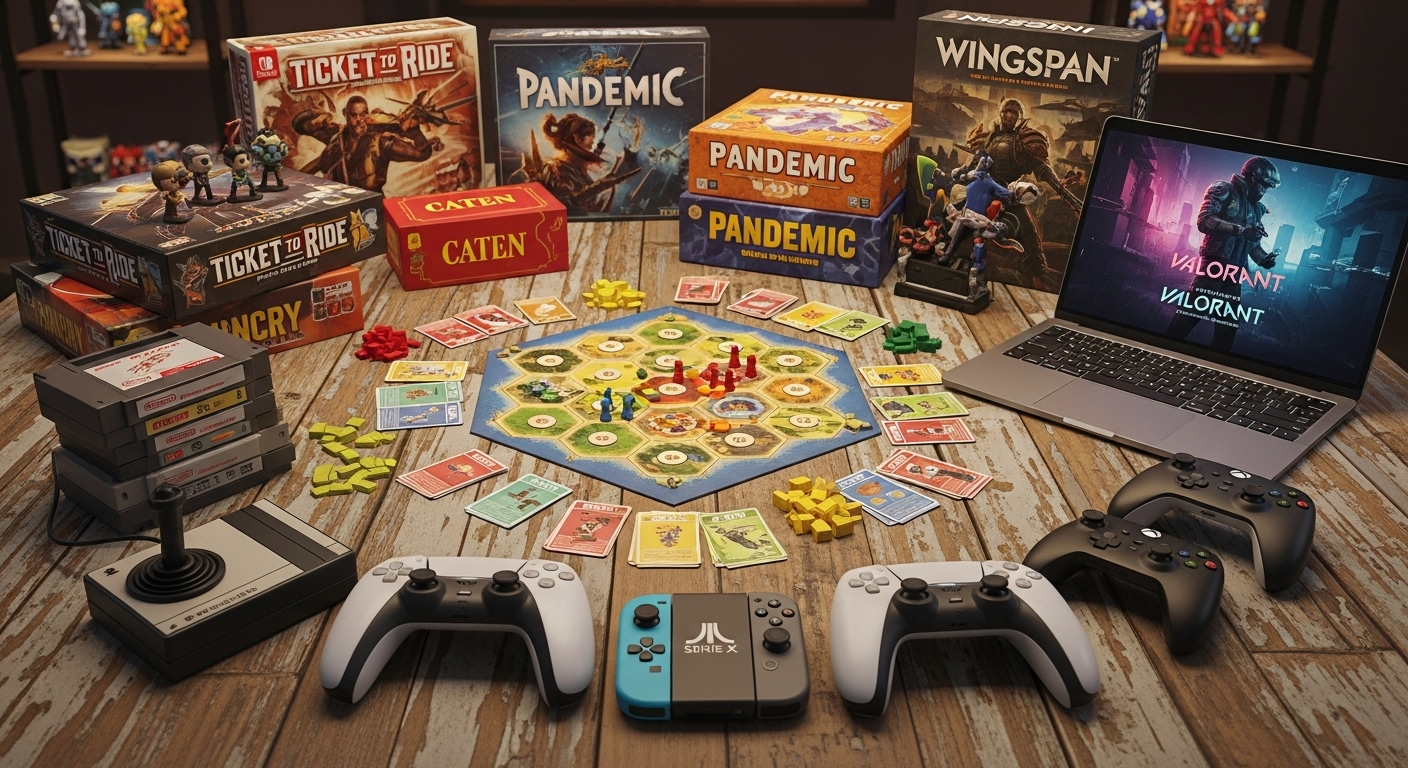
The concept of gaming dates back thousands of years, with early civilizations developing games for entertainment, education, and even social interaction. Board games like Senet in ancient Egypt, Go in China, and Chess in India laid the foundation for strategy-based play. These early games tested the intellect and strategic thinking of players, skills that would later be mirrored in digital gaming.
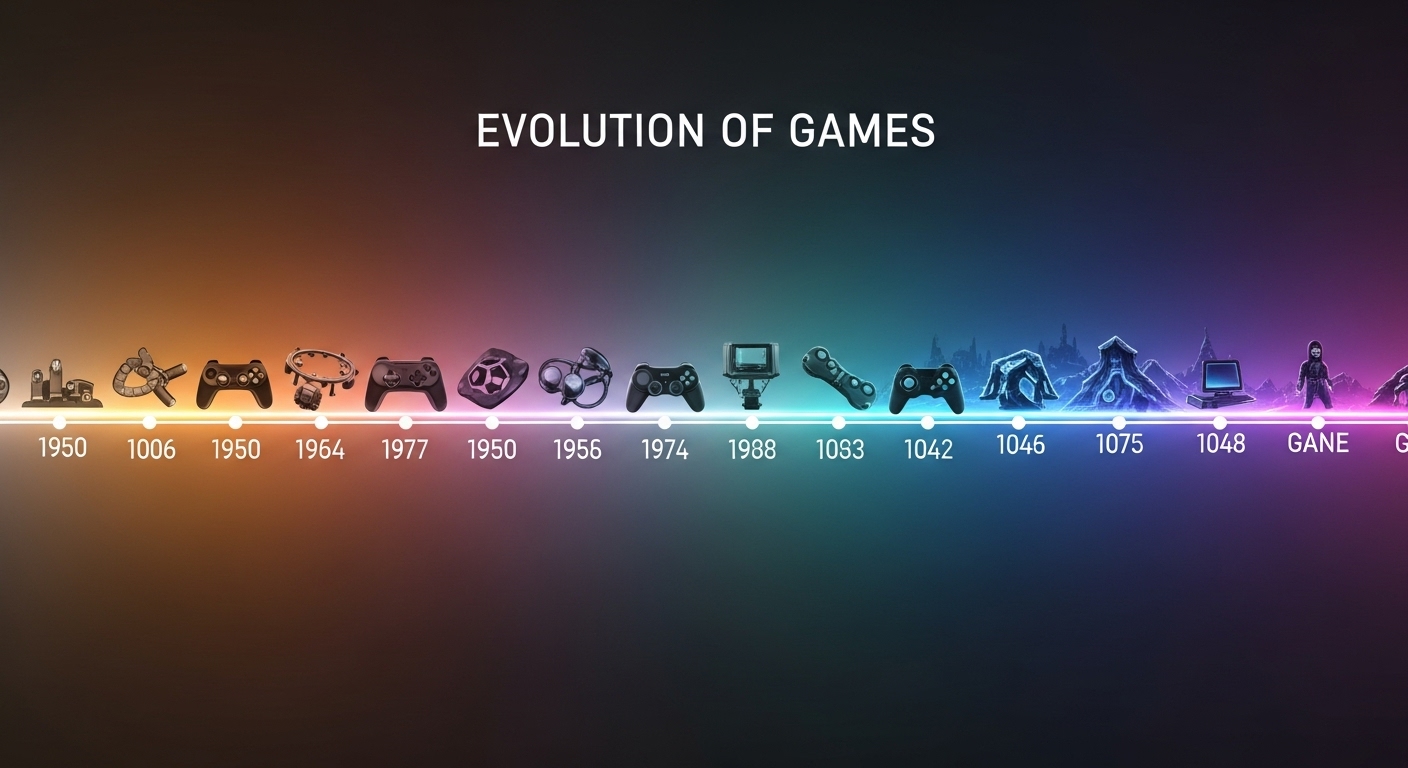
The digital revolution of the 20th century marked a significant shift in gaming, with the invention of arcade machines like Pong and Space Invaders introducing video games to the mainstream. These early games were simple but groundbreaking, using basic graphics and controls to provide interactive experiences. The success of these early titles paved the way for the development of home consoles, leading to the explosion of video gaming culture in the 1980s and 1990s.
The Golden Age of Console Gaming
In the 1980s, the gaming industry experienced what many consider its “golden age.” The release of iconic consoles like the Nintendo Entertainment System (NES) and Sega Genesis brought gaming into living rooms across the world. Games like Super Mario Bros., The Legend of Zelda, and Sonic the Hedgehog became cultural touchstones, and video games began to shift from being a simple diversion to an essential part of entertainment.
The 1990s saw a further transformation with the introduction of 3D graphics, which allowed developers to create more immersive and visually appealing games. The Sony PlayStation, launched in 1994, marked a major milestone in gaming history. With its advanced graphics capabilities and a strong library of titles, the PlayStation redefined gaming and expanded the medium’s reach. Iconic franchises like Final Fantasy, Metal Gear Solid, and Gran Turismo helped cement PlayStation’s place in the pantheon of gaming.
The Rise of PC Gaming and Online Play
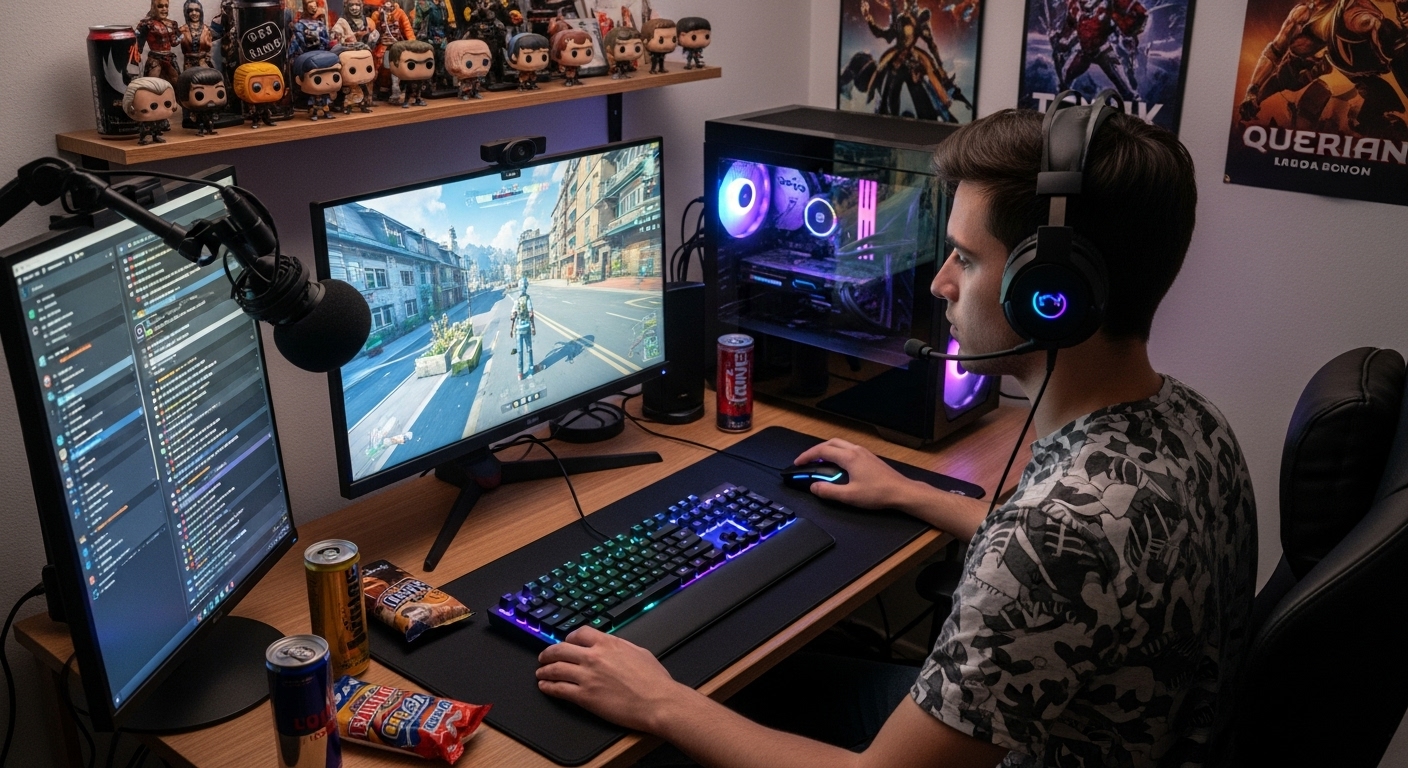
While consoles dominated the gaming scene for years, the rise of personal computers introduced a new dimension to gaming. PC gaming allowed for more complex games, higher-quality graphics, and the potential for multiplayer experiences. Games like Warcraft, StarCraft, and The Sims showed the potential of computers as a gaming platform, allowing for massive worlds, real-time strategy, and detailed simulations.
In the early 2000s, the rise of the internet unlocked a whole new level of gaming. Online multiplayer games like World of Warcraft, Counter-Strike, and Call of Duty brought players together from around the world to compete, cooperate, and socialize in virtual worlds. This marked the beginning of what is now known as “online gaming,” where players could connect with one another regardless of geographical location, creating a global gaming community.
The Mobile Gaming Revolution
In the 2000s, the gaming landscape was once again revolutionized—this time by the advent of smartphones. Mobile gaming allowed players to enjoy games on the go, making gaming more accessible than ever before. Games like Angry Birds, Candy Crush, and Clash of Clans became global phenomena, attracting casual gamers who didn’t have the time or inclination to play more complex console or PC games.
Mobile gaming not only made gaming more accessible but also more social. Many mobile games include social elements such as leaderboards, multiplayer modes, and in-game purchases, allowing players to connect and compete with their friends. The widespread use of smartphones also made gaming more affordable, as many games are free-to-play or cost significantly less than console or PC titles.
The Growth of Esports: Gaming as a Competitive Sport
Over the past decade, esports has emerged as one of the fastest-growing sectors within the gaming industry. Esports refers to competitive gaming, where professional players and teams compete in tournaments for prizes, sponsorships, and global recognition. Games like League of Legends, Dota 2, Fortnite, and Overwatch have become staples in the esports scene, drawing massive audiences both online and at live events.
Esports has turned gaming into a legitimate sport, complete with professional leagues, coaches, commentators, and sponsorships from major brands. Some tournaments, like The International (for Dota 2) and the League of Legends World Championship, have prize pools that rival those of traditional sports competitions. The rise of live streaming platforms like Twitch has further fueled the growth of esports, allowing fans to watch their favorite players and teams compete in real-time.
The Impact of Gaming on Technology and Culture
Gaming has been a major driver of technological innovation. High-end graphics, powerful gaming engines, virtual reality (VR), and augmented reality (AR) have all advanced significantly due to the demands of modern gaming. Gaming technology has also influenced other industries, with advances in AI, cloud computing, and hardware development often originating in gaming. For example, the push for higher graphical fidelity in games has led to the development of cutting-edge graphics cards and processors that are used in a variety of industries, from film production to artificial intelligence research.
On the cultural front, gaming has become an essential part of pop culture. Franchises like Super Mario, The Legend of Zelda, and Pokémon have transcended gaming to become global cultural icons. The success of gaming-based films, such as Detective Pikachu and The Witcher, and the growing influence of streaming platforms like Twitch and YouTube have further cemented gaming’s place in modern entertainment. Gaming communities have also emerged as vibrant spaces for social interaction, creativity, and fan-driven content.
The Social Side of Gaming: Building Communities and Friendships
Gaming is more than just a solitary activity; it is a powerful social experience. Online multiplayer games have created virtual communities where players can collaborate, compete, and forge lasting friendships. Social platforms like Discord and in-game chat functions allow players to communicate with one another during gameplay, creating a sense of camaraderie and teamwork.
In addition to these in-game connections, gaming has also become a platform for fan communities. Game forums, fan art, and fan fiction allow players to share their love for their favorite games, discuss theories, and engage with one another in creative ways. These online spaces create a sense of belonging and allow players to connect over shared interests, making gaming a truly social activity.
Gaming for All: The Rise of Accessibility and Inclusivity
As gaming continues to grow, so does its focus on accessibility and inclusivity. Developers are increasingly mindful of creating games that cater to a wide range of players, including those with disabilities. Features such as customizable controls, subtitles, colorblind modes, and adaptive controllers make gaming more accessible for everyone.
The gaming industry has also made strides in promoting diversity, both in terms of representation within games and the people who create them. Characters of different races, genders, and sexual orientations are being featured more prominently in games, allowing players to see themselves reflected in the stories they enjoy. This inclusivity not only enriches the gaming experience but also helps make gaming a more welcoming space for everyone.
The Future of Gaming: Trends and Innovations
The future of gaming is exciting and filled with possibilities. Virtual reality (VR) and augmented reality (AR) will continue to push the boundaries of immersion, allowing players to step into fully realized digital worlds. Cloud gaming will make high-quality gaming more accessible, eliminating the need for expensive consoles and gaming PCs. The rise of artificial intelligence (AI) will lead to more intelligent NPCs (non-playable characters) and more dynamic, ever-changing gameplay experiences.
Moreover, the integration of social features in gaming will continue to evolve, with games becoming even more connected and community-driven. Games as a service (GaaS) will continue to be a dominant business model, with developers releasing constant updates and expansions to keep players engaged for the long term.
Conclusion: The Ever-Expanding Universe of Gaming
From its humble beginnings as a simple pastime to its current status as a multi-billion-dollar industry, gaming has evolved into a cultural and technological force. Whether you’re a competitive esports player, a casual mobile gamer, or someone who enjoys single-player story-driven experiences, there’s a game out there for everyone. The industry continues to innovate, and the future of gaming looks brighter than ever.
Gaming is no longer just a form of entertainment; it’s a way of life for millions of people around the world. It brings people together, pushes the limits of technology, and continues to shape the way we experience entertainment in the digital age. As the industry continues to grow, one thing is clear: gaming will remain a vital part of our lives for years to come.