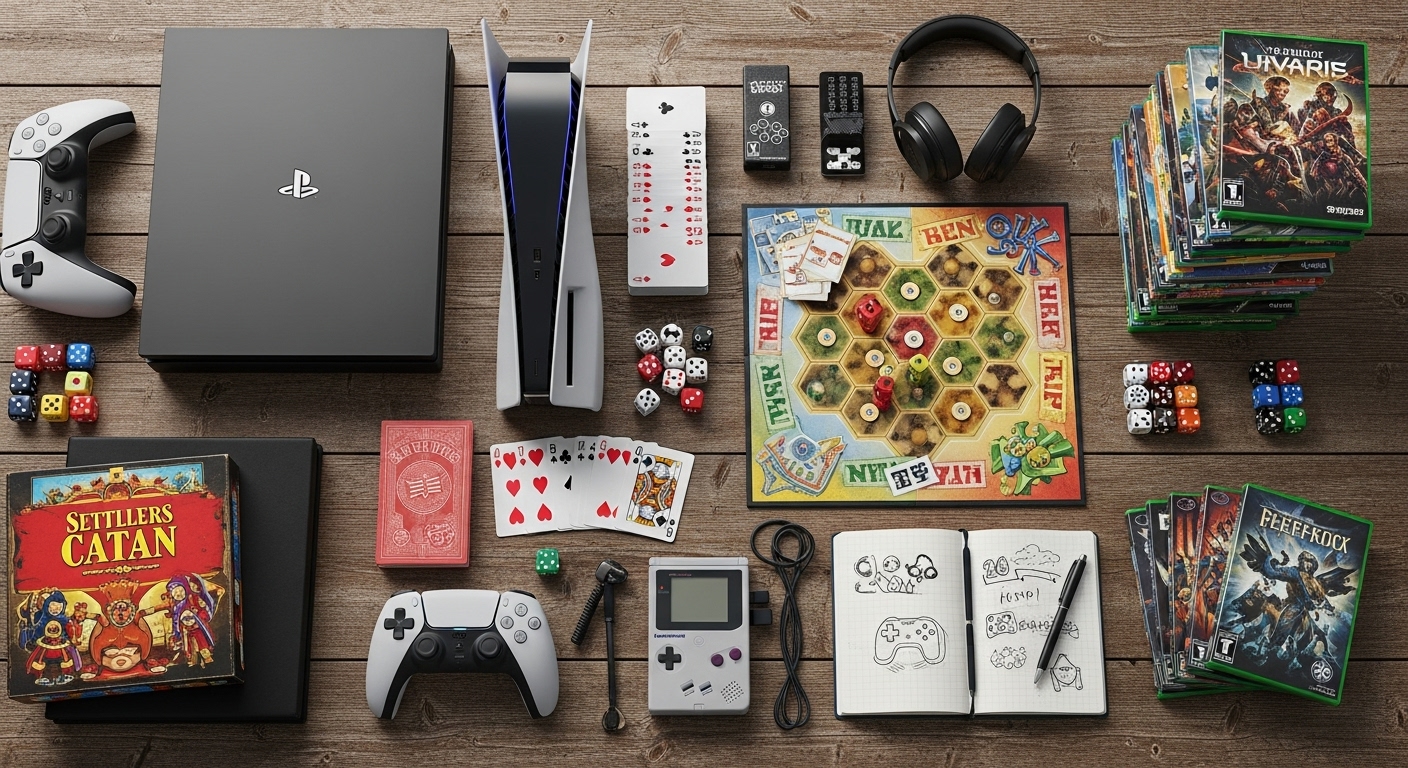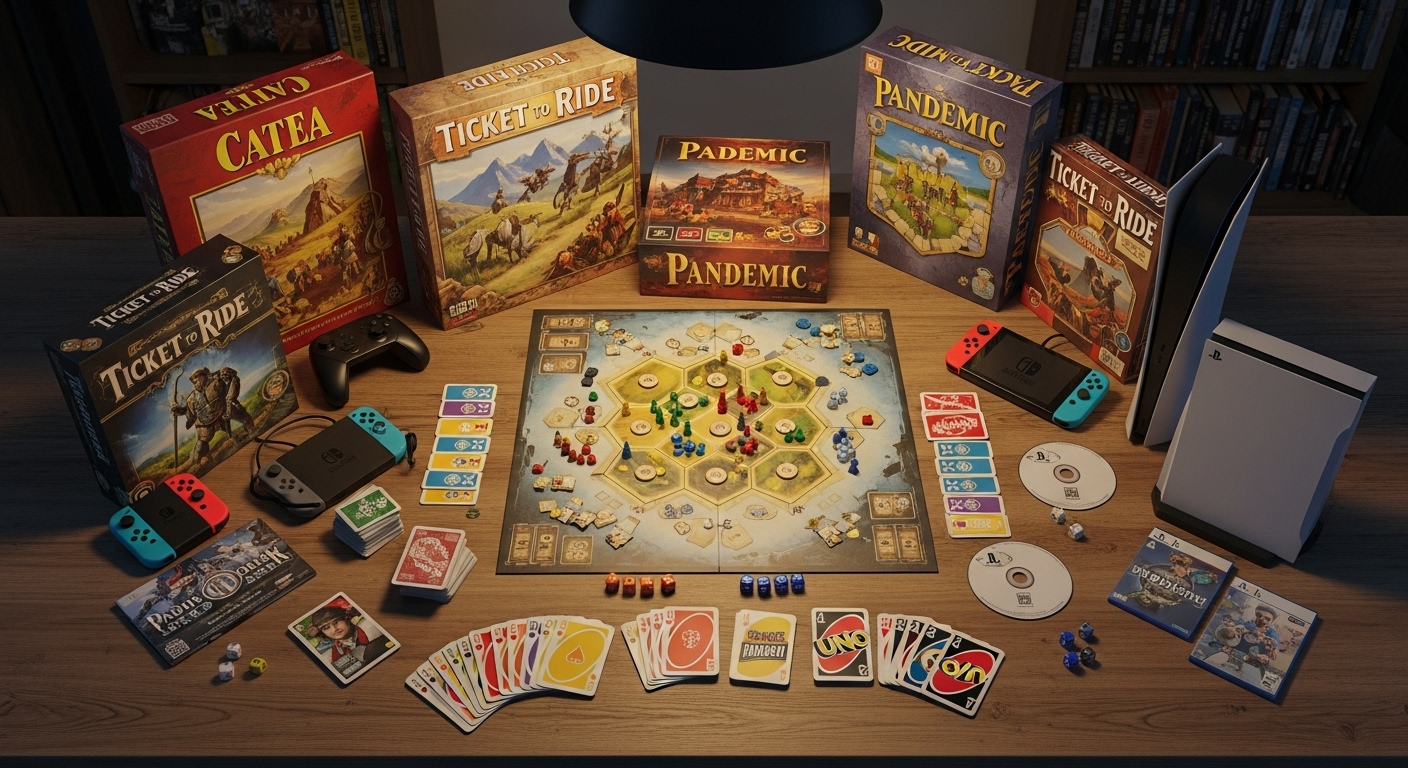
Games have always been an integral part of human culture. From the ancient strategy games played on carved boards to the hyper-realistic video games of today, they provide not only entertainment but also opportunities for learning, social interaction, and creativity. The world of games is vast and diverse, offering experiences that can be competitive, cooperative, immersive, or purely recreational. In this blog post, we will explore the evolution of games, their psychological and social impact, the rise of unique and experimental games, and the trends shaping the future of gaming.
The Evolution of Games
Games have existed for thousands of years, evolving alongside human civilization. Early examples include board games such as Senet in ancient Egypt, which was not only a pastime but also had spiritual significance. Chess, originating in India, became a symbol of strategy, intelligence, and skill, spreading across continents and cultures. These traditional games laid the foundation for the complex and interactive games we enjoy today.
With the advent of computers and digital technology, the landscape of games shifted dramatically. The 1970s saw the birth of video games with titles like Pong, a simple yet addictive game that captured the imagination of a generation. The 1980s and 1990s brought arcade games and home consoles, turning gaming into a mainstream form of entertainment. As technology progressed, games became increasingly sophisticated, with detailed graphics, immersive sound design, and complex storylines.
The Psychology Behind Gaming
One reason games continue to captivate people is their psychological appeal. Games tap into our natural instincts for achievement, exploration, and social connection. For instance, reward systems in games, such as earning points, unlocking levels, or achieving milestones, activate the brain’s pleasure centers, creating a sense of accomplishment and motivation.
Moreover, games often allow players to enter immersive worlds where they can experiment, take risks, and solve problems without real-world consequences. This makes them powerful tools for learning and cognitive development. Puzzle games, strategy games, and role-playing games challenge players to think critically, plan ahead, and adapt to changing situations. Even competitive games foster skills such as focus, quick decision-making, and resilience.
Games as Social Experiences
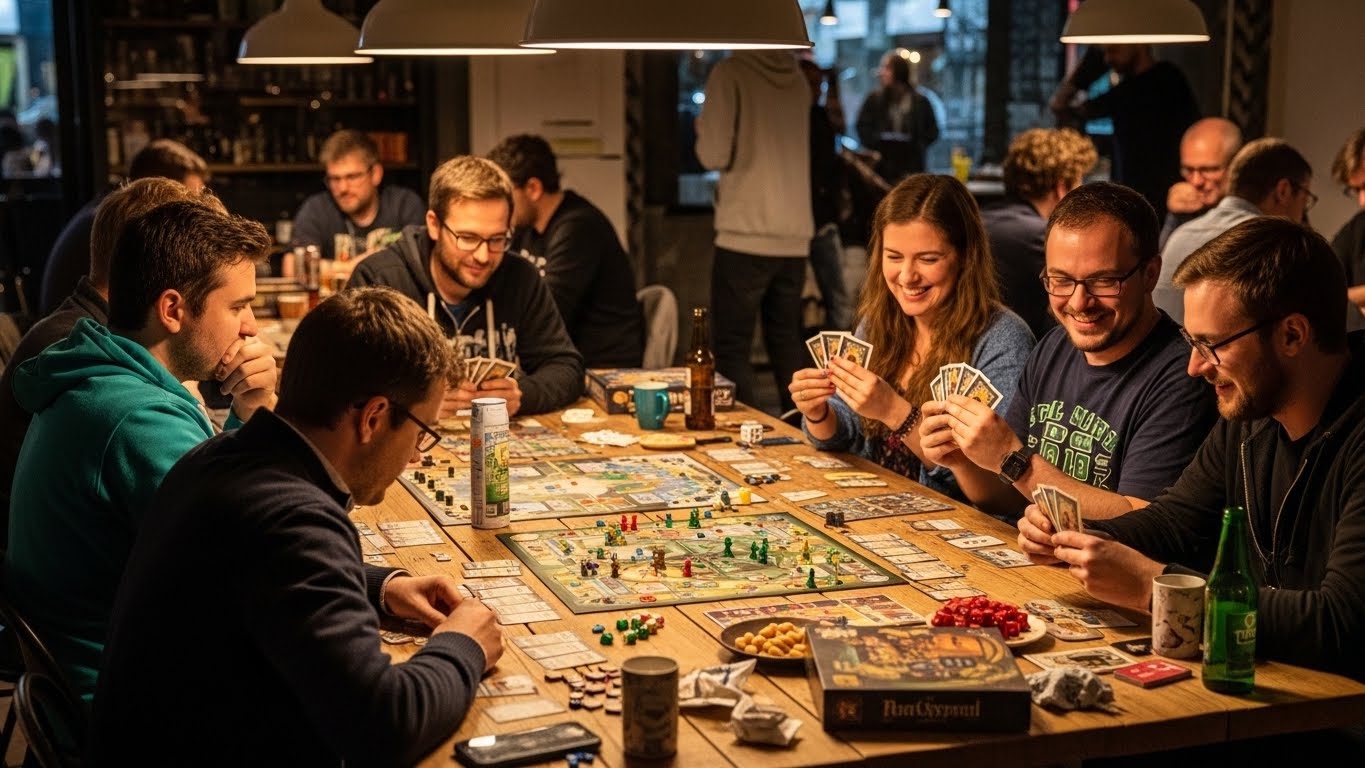
Contrary to the stereotype of the lone gamer, modern gaming is highly social. Online multiplayer games allow people to connect with friends and strangers across the globe. Games such as MMORPGs (Massively Multiplayer Online Role-Playing Games) create virtual societies where players collaborate, compete, and form communities. Cooperative gameplay encourages teamwork, communication, and problem-solving, while competitive play can develop strategic thinking and perseverance.
Board games and party games continue to thrive as social activities. They provide a tactile and interactive experience that strengthens personal bonds and creates shared memories. In a world increasingly dominated by digital interaction, games serve as a vital medium for human connection.
Unique and Experimental Games
While mainstream games often dominate the market, there is a fascinating world of unique and experimental games that push the boundaries of traditional gaming. These games often focus on storytelling, emotions, or unconventional mechanics rather than competition or high scores.
For example, games like journey emphasize exploration and emotional experiences rather than traditional objectives. Other indie games use unconventional controls or narrative structures to challenge players’ expectations. The beauty of these games lies in their ability to evoke deep feelings, provoke thought, or simply provide a refreshing alternative to mainstream gaming.
Physical and hybrid games also offer unique experiences. Escape rooms, augmented reality games, and interactive theater games blend physical activity, problem-solving, and narrative immersion. These experiences demonstrate that games are not confined to screens—they can be tactile, social, and transformative.
The Educational Potential of Games
Games are increasingly recognized as valuable educational tools. Educational games combine learning objectives with engaging gameplay, making subjects more accessible and enjoyable. For example, historical simulation games allow players to explore different eras and make decisions based on real-world events. Science games can illustrate complex concepts through interactive experiments and problem-solving challenges.
Gamification, the integration of game-like elements into non-game contexts, has also transformed education and professional training. By introducing rewards, levels, and challenges, gamification increases motivation, engagement, and retention of information. Beyond the classroom, training simulations in fields such as medicine, aviation, and military operations demonstrate that games can develop critical skills in safe, controlled environments.
The Cultural Impact of Gaming
Gaming is not just entertainment; it is a cultural phenomenon that reflects and shapes society. Games often incorporate narratives, art, music, and social commentary, making them a medium for storytelling and cultural expression. Popular games explore themes such as identity, morality, and human relationships, offering players a lens through which to examine their own lives and society.
Gaming culture has also fostered creativity beyond gameplay. Fan art, cosplay, streaming, and content creation around games have created vibrant communities where players express themselves and share their passion. The influence of gaming can be seen in fashion, music, and even architecture, highlighting its pervasive impact on modern culture.
The Future of Gaming
The future of games promises even more innovation and diversity. Virtual reality (VR) and augmented reality (AR) are expanding the boundaries of immersive experiences, allowing players to step inside fully interactive worlds. Artificial intelligence is creating smarter, more adaptive game environments that respond to player behavior, enhancing personalization and challenge.
Cloud gaming is making high-quality games accessible on multiple devices without the need for expensive hardware. Meanwhile, indie developers continue to experiment with storytelling, mechanics, and art styles, ensuring that the gaming landscape remains vibrant and diverse.
Moreover, games are increasingly recognized for their social and therapeutic value. Serious games are being used in mental health interventions, rehabilitation, and social skill development. The potential of games to educate, inspire, and heal highlights their significance beyond simple entertainment.
Why Games Matter
Games matter because they combine creativity, challenge, and social interaction in a way that few other mediums can. They offer escape, adventure, and self-expression while fostering skills such as problem-solving, collaboration, and critical thinking. Whether playing a complex strategy game, an emotionally-driven narrative game, or a casual mobile game, players engage with challenges and experiences that are meaningful and memorable.
In a rapidly changing world, games also provide a sense of continuity and community. They bridge generations, cultures, and geographies, connecting people through shared experiences and stories. The growing recognition of games as art, education, and social tools underscores their importance in contemporary society.
Conclusion
The world of games is vast, diverse, and ever-evolving. From ancient board games to immersive digital experiences, games continue to captivate, challenge, and connect people around the globe. Their psychological, social, educational, and cultural impacts are profound, making them more than mere entertainment.
As technology advances and creativity flourishes, the possibilities for games are endless. Unique and experimental games push boundaries, educational games inspire learning, and mainstream games foster global communities. The beauty of games lies in their ability to combine fun with meaning, challenge with creativity, and competition with cooperation.
In essence, games are a mirror of human imagination and ingenuity. They reflect our desire to explore, learn, connect, and express ourselves. Whether you are a casual player, a competitive gamer, or an avid enthusiast, the world of games offers endless opportunities for discovery, growth, and joy. Exploring games is not just about playing; it is about experiencing the limitless potential of human creativity in its most interactive form.