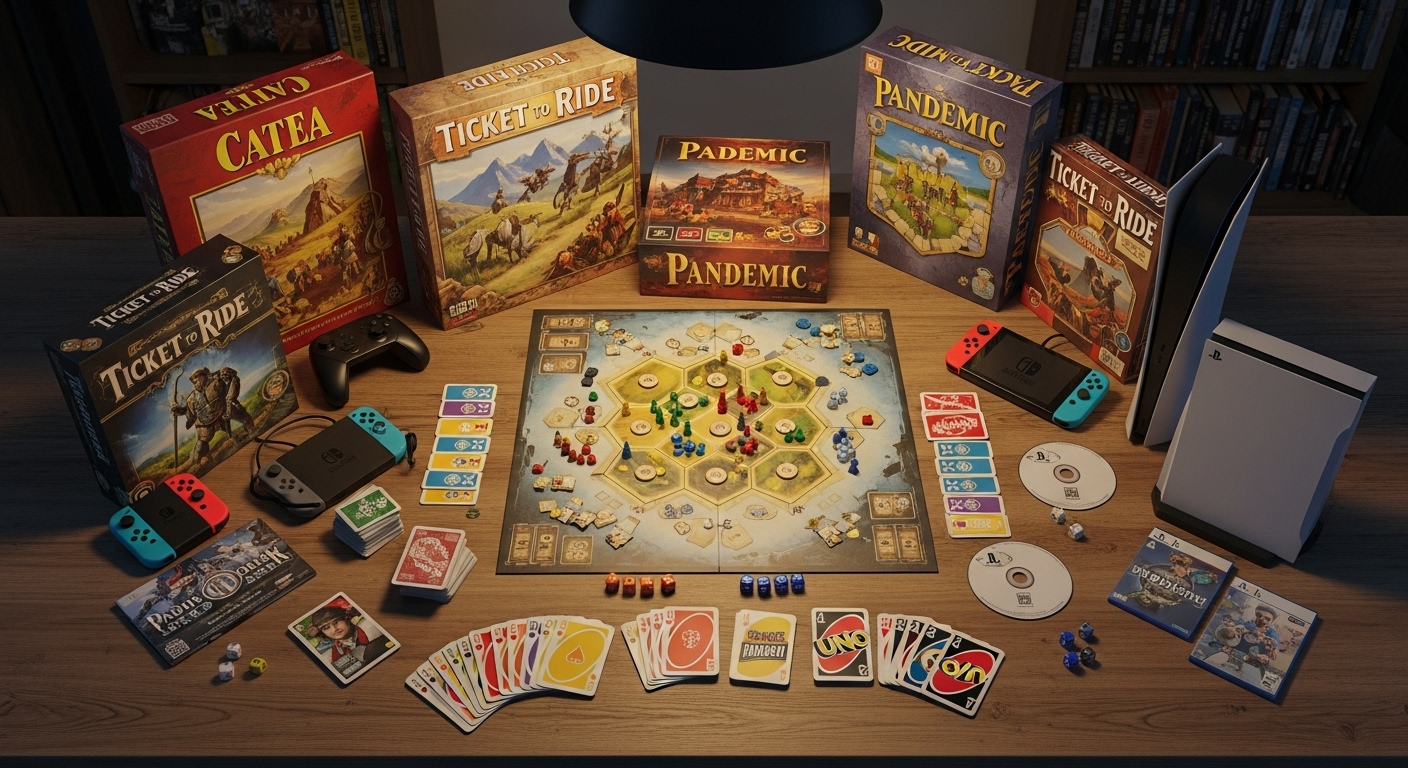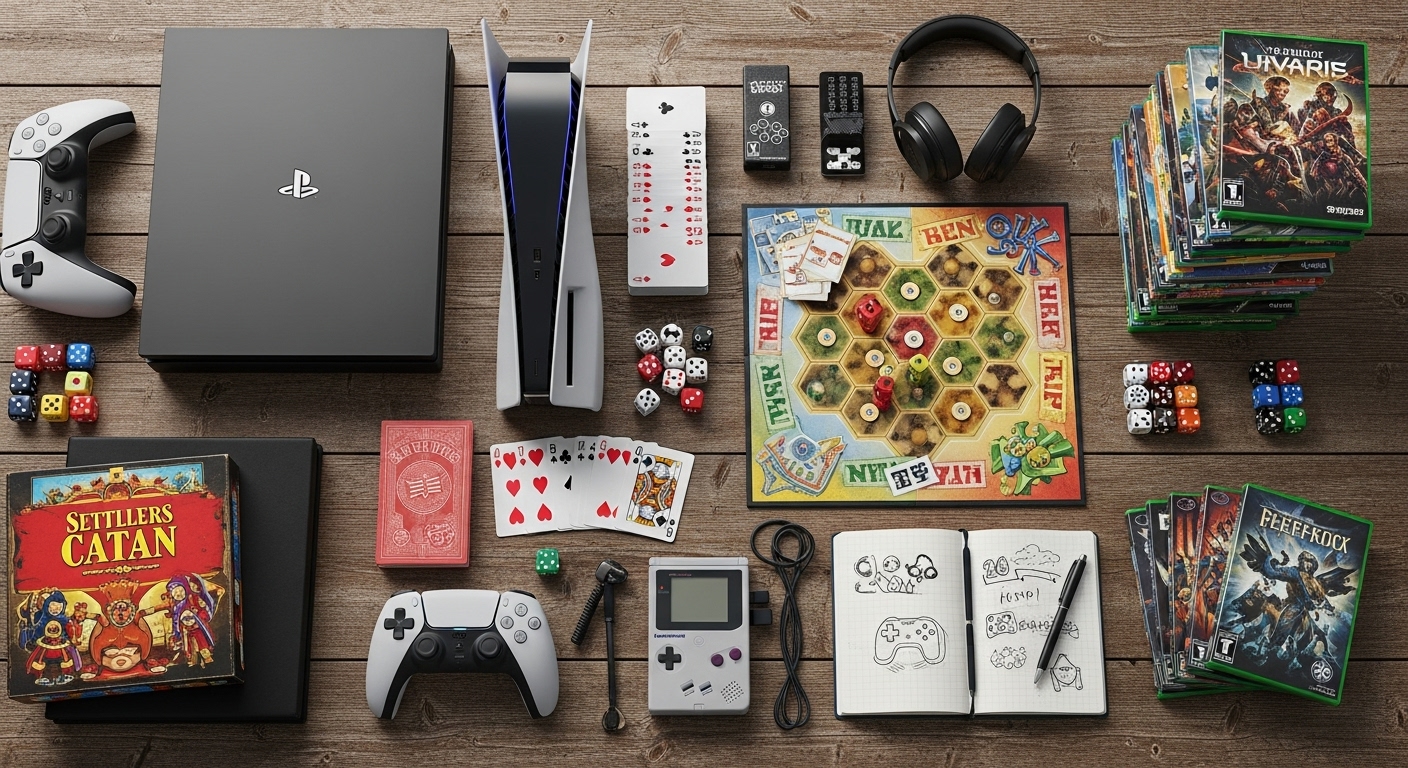
Introduction to the World of Games
Games have been an inseparable part of human life for centuries. From the earliest board games carved in ancient stones to today’s immersive virtual worlds, games have always reflected the creativity, intelligence, and competitive nature of humanity. They are more than entertainment; they are a bridge between people, cultures, and generations. Whether played for fun, relaxation, or competition, games have become a universal language that everyone understands.
The Historical Roots of Gaming
Before the rise of technology, games existed in their simplest forms. Ancient civilizations like Egypt, Greece, China, and India all had their versions of strategic and chance-based games. Chess, for instance, originated in India and spread across the world as a game of intellect and planning. The Royal Game of Ur in Mesopotamia and Senet in Egypt were among the earliest known board games. These early games weren’t just pastimes; they were a reflection of society, war strategy, and cultural values.
As societies evolved, so did their games. Physical sports became a central part of community life, serving as both entertainment and physical exercise. Games like wrestling, running, and ball sports became popular in ancient arenas and fields. This early passion for gaming laid the foundation for the multi-billion-dollar global industry we know today.
The Rise of Modern Gaming
With the invention of electricity and later the computer, a new form of gaming began to take shape. The 20th century saw a technological revolution that brought electronic games into existence. Arcade machines appeared in public spaces, offering pixelated adventures that captured the imagination of a generation. Then came the home gaming consoles—machines like the Atari, Nintendo Entertainment System, and Sega Genesis—which transformed how people experienced entertainment.
Games such as Super Mario Bros, Pac-Man, and The Legend of Zelda became cultural icons. They offered not only entertainment but also storytelling, creativity, and challenge. Players were no longer mere observers; they became active participants in their virtual adventures. This interactivity was what made video games truly unique compared to traditional forms of entertainment like film or books.
The Evolution of Game Genres
As technology advanced, so did the diversity of game genres. Today, games come in countless forms, each appealing to different types of players. Some prefer the adrenaline rush of action games, while others enjoy the mental challenge of strategy games. Here are a few of the most popular genres that define modern gaming:
Action Games
Action games focus on reflexes, hand-eye coordination, and quick decision-making. They include platformers, shooters, and fighting games. Titles like Call of Duty, God of War, and Devil May Cry are beloved for their fast-paced gameplay and cinematic experiences.
Adventure Games
Adventure games emphasize storytelling, exploration, and puzzle-solving. Players dive into rich narratives, uncover mysteries, and experience emotional journeys. Games like Tomb Raider and Uncharted have become benchmarks for this genre.
Role-Playing Games (RPGs)
RPGs allow players to assume the role of a character in a detailed world. Whether it’s a fantasy kingdom or a futuristic universe, RPGs focus on character development, choices, and immersive storytelling. Famous examples include Final Fantasy, The Witcher, and Skyrim.
Simulation Games
Simulation games replicate real-life experiences, allowing players to manage cities, farms, or even lives. Games like The Sims, SimCity, and Animal Crossing provide relaxation and creativity rather than competition.
Sports and Racing Games
These games bring real-world athletic experiences to screens. From FIFA and NBA 2K to racing titles like Forza Horizon and Gran Turismo, these games attract both fans of sports and those who enjoy fast-paced excitement.
Strategy Games
Strategy games challenge the intellect rather than reflexes. They require planning, resource management, and foresight. Classics like Age of Empires, Civilization, and StarCraft have defined this genre for decades.
Puzzle Games
These games test logic and problem-solving skills. From simple mobile hits like Candy Crush to complex brain-teasers like Portal, puzzle games have universal appeal.
The Power of Storytelling in Games
Modern games have evolved into powerful storytelling mediums. What once began as simple pixelated challenges has turned into a form of interactive art. Today, games tell stories that rival movies and novels in emotional depth and complexity. Titles like The Last of Us, Red Dead Redemption, and Life Is Strange have proven that games can evoke powerful feelings and tackle mature themes like love, loss, and morality.
This transformation has blurred the line between entertainment and art. Game developers now think like filmmakers, writers, and artists, creating detailed characters, immersive worlds, and compelling narratives that stay with players long after they finish the game.
The Social Aspect of Gaming
One of the most significant developments in the world of games is the rise of multiplayer and online gaming. Games have become a social hub where people from different corners of the world can connect, collaborate, and compete. Online communities have transformed gaming from a solitary activity into a global social experience.
Multiplayer games like Fortnite, Apex Legends, and Minecraft have become virtual meeting grounds for millions of players. Friendships are formed, rivalries are built, and teamwork is tested. For many, gaming is a way to stay connected with friends and even make new ones.
Esports, the competitive side of gaming, has further elevated this connection. Professional players, tournaments, and live streaming have turned gaming into a spectator sport watched by millions. The excitement of competition, combined with the skill and strategy of players, has made esports a legitimate part of the entertainment industry.
The Psychological Benefits of Gaming
Despite occasional criticism, studies and experiences show that games can have several positive effects on the human mind. They enhance problem-solving skills, improve memory, and boost creativity. Strategy and puzzle games sharpen the brain, while action games can improve coordination and reaction time.
Moreover, games can serve as a form of stress relief. In today’s busy world, immersing oneself in a virtual environment provides an escape from daily pressures. For many people, games are a form of self-expression and emotional release.
Some games even help with education and therapy. Educational games teach language, mathematics, and history in engaging ways. Therapeutic games have been used to help patients recover motor skills or cope with mental health challenges. The power of gaming goes far beyond fun—it can inspire learning and healing.
The Technological Advancements in Gaming
Technology has always driven the evolution of games. From simple 8-bit graphics to hyper-realistic visuals powered by artificial intelligence and ray tracing, the progress has been extraordinary. Virtual Reality (VR) and Augmented Reality (AR) have taken immersion to new heights, allowing players to physically move and interact within game worlds.
Cloud gaming has also emerged as a major innovation, allowing players to stream games without powerful hardware. This has made gaming more accessible to people around the world. Artificial intelligence now helps create smarter enemies, more dynamic worlds, and adaptive gameplay experiences that respond to player behavior.
The use of motion sensors, haptic feedback, and even brain-computer interfaces is changing how we interact with games. The line between player and game is blurring, making experiences more natural and intuitive.
The Cultural Impact of Games
Games have transcended entertainment to become a vital part of global culture. Characters like Mario, Sonic, and Master Chief are recognized worldwide, just like movie stars or musicians. Gaming conventions, cosplay, and fan communities celebrate these icons with enthusiasm and creativity.
Moreover, games often reflect societal issues and cultural trends. Titles like Detroit: Become Human and Cyberpunk 2077 explore futuristic ethics and technology, while others like Assassin’s Creed bring historical events to life. Through interactive storytelling, games offer perspectives on human nature, politics, and philosophy.
The influence of gaming extends into music, fashion, and art. Game soundtracks are performed in orchestras, game-inspired clothing lines exist, and digital artists draw inspiration from game worlds. Gaming is no longer a niche hobby—it’s a cornerstone of modern culture.
The Business of Gaming
The gaming industry has become one of the most profitable entertainment sectors in the world, surpassing movies and music combined. Major studios and independent developers alike contribute to this growth. The rise of mobile gaming has also expanded the audience, bringing casual games to billions of smartphones globally.
Microtransactions, downloadable content (DLC), and subscription models have changed how games are sold and supported. While these practices are sometimes controversial, they also allow developers to maintain and expand their games over time. Meanwhile, indie developers have found success through creativity and innovation, proving that passion and originality can rival even the biggest studios.
The Future of Gaming
The future of gaming promises even more exciting possibilities. Artificial intelligence will continue to revolutionize game design, creating worlds that learn and adapt. Virtual and augmented reality will become more realistic and accessible. The concept of the “metaverse” hints at a shared digital space where games, work, and social life merge into one interactive environment.
Cloud gaming and cross-platform play will make games universally available, regardless of device or location. Storytelling will grow richer, visuals more stunning, and player freedom greater than ever before. The boundary between the digital and real world will continue to fade.
As technology evolves, so will the meaning of play. Games will become tools for education, creativity, and even emotional growth. They will inspire new generations of thinkers, artists, and innovators.
The Human Connection Through Games
At the heart of gaming lies connection. Whether it’s two friends playing chess, a team competing online, or a solo player exploring a vast digital world, games bring people together. They create shared experiences that transcend language, culture, and distance.
Games remind us that imagination is limitless. They allow us to explore worlds that could never exist in reality, to become heroes, builders, explorers, and storytellers. Through games, we experience triumphs and failures, challenges and rewards, joy and curiosity—all essential parts of the human experience.
Conclusion: Games as a Reflection of Humanity
From ancient stones to futuristic simulations, the story of games is the story of humanity itself. They mirror our creativity, intelligence, and desire for connection. Every move, every choice, every challenge in a game reflects our instinct to learn, compete, and grow.
Games are more than entertainment—they are a celebration of imagination and innovation. They push the boundaries of technology, art, and storytelling. They bring people together and teach us to think, adapt, and dream.
In every age and every culture, games will continue to evolve. But their essence will remain the same: a joyful expression of what it means to be human.