Introduction: The Rise of Gaming Culture
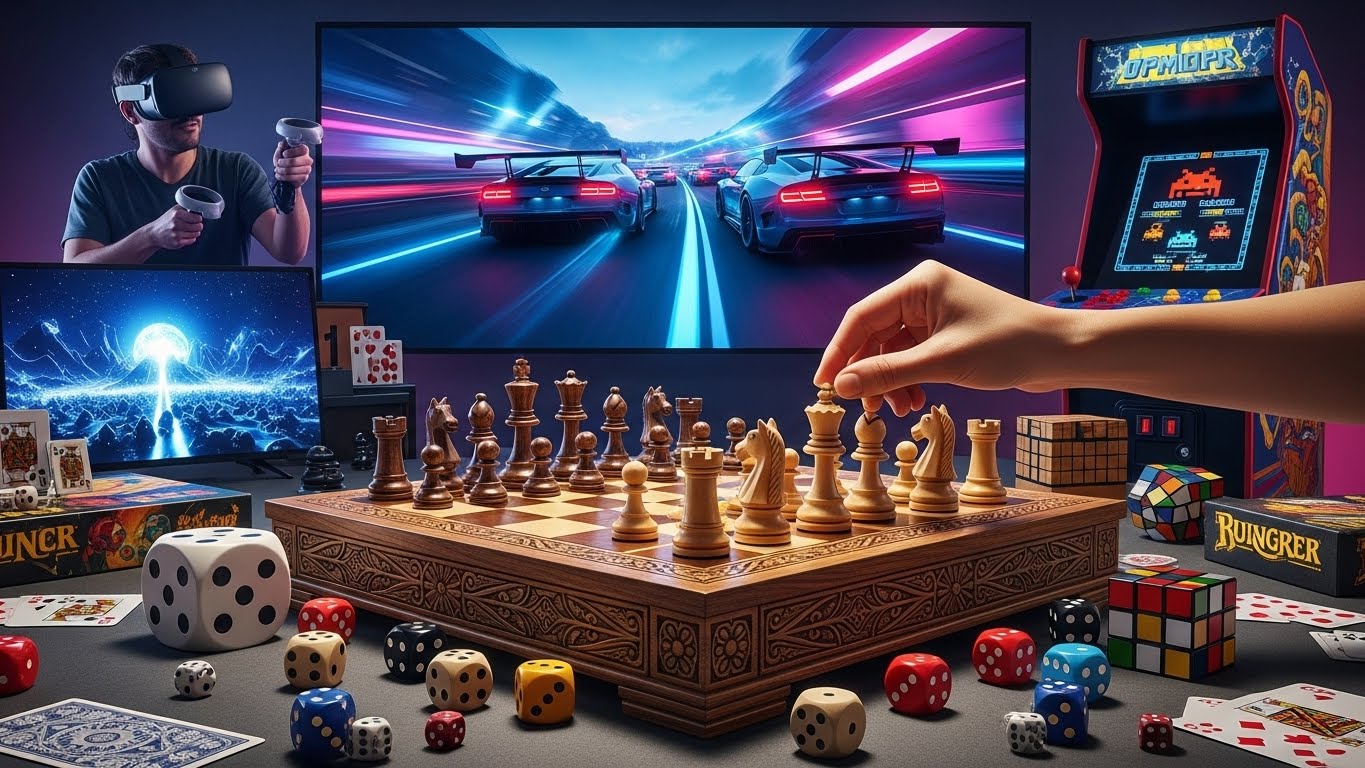
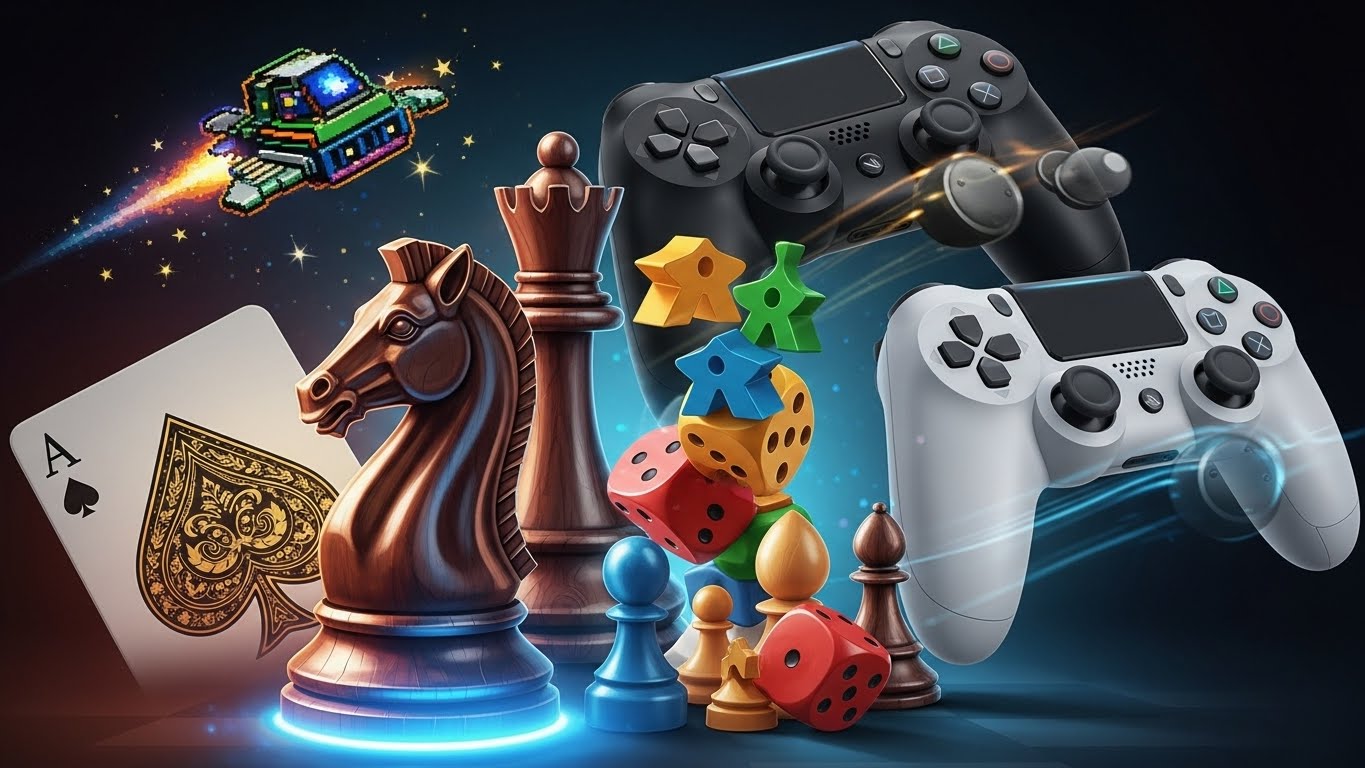
Games have come a long way from simple board games and playground activities. In the modern era, gaming is not just a pastime; it is a global phenomenon that connects millions of people across cultures and generations. From casual mobile games to complex multiplayer online worlds, games are influencing entertainment, social interaction, and even education. They are no longer just a way to pass the time—they have become a form of art, a tool for learning, and a platform for personal growth.
The Evolution of Games
The history of games reflects human creativity and technological innovation. Traditional games like chess, cards, and outdoor sports laid the foundation for strategic thinking and social engagement. The invention of video games in the late twentieth century revolutionized entertainment, offering immersive digital experiences. As technology advanced, games became more complex, interactive, and visually stunning. Today, virtual reality and augmented reality are pushing the boundaries of what gaming can be, making the experiences increasingly lifelike and engaging.
Storytelling in Video Games
At the heart of many successful games lies storytelling. Modern video games are often compared to interactive movies, with rich narratives, complex characters, and emotionally charged scenarios. Players are no longer passive observers; they actively influence the outcomes of stories, making the gaming experience highly personal and impactful. Games like role-playing adventures allow players to explore moral choices, face challenges, and experience triumphs that resonate beyond the screen. Storytelling in gaming has proven that digital worlds can evoke deep emotional responses, just like books or films.
Games and Cognitive Development
Gaming is often criticized for being a waste of time, but research shows that it can have significant cognitive benefits. Strategic games enhance problem-solving skills, decision-making, and critical thinking. Puzzle and logic-based games improve memory and attention to detail. Multiplayer games promote teamwork, communication, and adaptability. Even fast-paced action games can improve reflexes and hand-eye coordination. The mental stimulation provided by games makes them a unique form of entertainment that exercises the brain while keeping players engaged.
Social Interaction and Community Building
Games are no longer solitary activities; they are platforms for social interaction and community building. Online multiplayer games create global communities where players collaborate, compete, and share experiences. These virtual worlds foster friendships that transcend geographical boundaries. Gaming events and tournaments, both physical and virtual, bring people together in celebration of shared interests. Social interaction in games promotes collaboration, empathy, and understanding, demonstrating that gaming is as much about connection as it is about competition.
The Rise of eSports
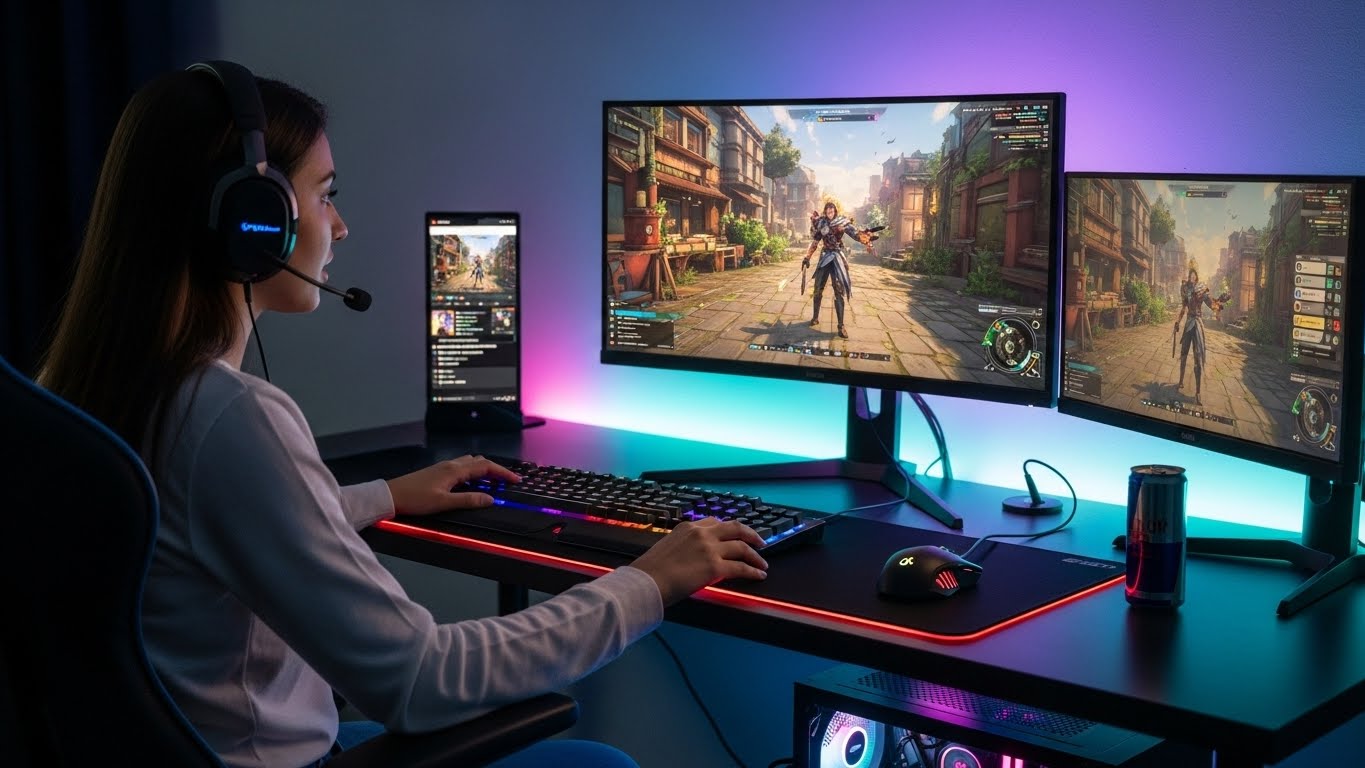
eSports has transformed gaming into a professional and competitive industry. Competitive gaming now attracts millions of viewers worldwide, rivaling traditional sports in popularity. Professional players train rigorously, and tournaments offer substantial financial rewards. The rise of eSports has legitimized gaming as a career and elevated it to mainstream entertainment. It has also created opportunities for content creators, analysts, and commentators, contributing to a rapidly growing ecosystem. The professionalization of gaming has reshaped perceptions, showing that video games are not just fun but also a serious pursuit.
Games and Emotional Well-being
Games have a profound impact on emotional well-being. They offer an escape from daily stress, provide a sense of achievement, and create immersive experiences that stimulate positive emotions. Many players find comfort in gaming communities, where they can express themselves and feel valued. Additionally, games designed with mindfulness or therapeutic elements help manage anxiety, improve focus, and promote relaxation. When played responsibly, games contribute to emotional resilience and mental health.
Mobile Gaming and Accessibility
The advent of smartphones has made gaming more accessible than ever. Mobile games reach a wider audience, including casual players who might never engage with traditional consoles or PCs. These games are often easy to pick up but challenging to master, making them ideal for quick entertainment during breaks or commutes. Mobile gaming has also encouraged innovation in game design, with developers creating new genres and mechanics suited for touchscreens and on-the-go play. Accessibility has broadened the gaming community and made it more inclusive.
Games as Tools for Learning
Beyond entertainment, games have immense educational potential. Serious games, simulations, and gamified learning platforms teach skills ranging from mathematics to history to leadership. Interactive learning in games makes complex subjects engaging and memorable. Educational games encourage experimentation, problem-solving, and critical thinking in ways traditional methods often cannot. The integration of gaming into education demonstrates that play and learning are not mutually exclusive but can complement each other effectively.
The Business of Gaming
The gaming industry is one of the fastest-growing sectors in entertainment. Revenue comes from game sales, subscriptions, in-game purchases, and merchandising. Developers invest heavily in research, technology, and storytelling to create experiences that capture players’ attention. The success of a game is determined not only by quality but also by marketing, community engagement, and innovation. This complex business landscape highlights that games are not just hobbies but also major economic drivers, influencing culture and lifestyle on a global scale.
Cultural Representation in Games
Modern games are becoming more diverse in content and representation. Developers are increasingly creating characters and narratives that reflect a wide range of cultures, identities, and experiences. Representation matters because it allows players to see themselves in the stories they play, fostering inclusion and empathy. Diverse games also introduce players to new perspectives, broadening horizons and encouraging cultural understanding. Gaming is thus not only entertainment but also a medium for social reflection and change.
Technology and the Future of Gaming
Technological innovation is shaping the future of games in unprecedented ways. Virtual reality, augmented reality, cloud gaming, and artificial intelligence are transforming the way players interact with digital worlds. Immersive environments will allow players to feel fully present in games, while AI-driven narratives will respond dynamically to player choices. The integration of technology promises more personalized, interactive, and realistic experiences. As the line between the virtual and real worlds continues to blur, gaming will redefine how people play, learn, and connect.
Gaming and Personal Growth
Games are more than entertainment—they can foster personal growth. Players develop strategic thinking, patience, adaptability, and resilience through challenges. Multiplayer experiences encourage teamwork and leadership skills. Story-driven games cultivate empathy by allowing players to experience diverse perspectives. Even failure in games can teach valuable lessons about persistence and problem-solving. Gaming is thus a unique platform for growth, where entertainment and self-improvement coexist naturally.
Conclusion: The Enduring Power of Games
Games are a reflection of human creativity, intelligence, and social connection. They entertain, educate, challenge, and inspire. From cognitive benefits to emotional well-being, from cultural representation to technological innovation, games touch nearly every aspect of life. As the industry continues to evolve, the role of games in shaping society, culture, and individual growth will only expand. Games are no longer just a hobby—they are a global force that transforms the way we live, think, and interact with the world around us.
This blog post provides a comprehensive look at gaming culture, its impact, and its potential, demonstrating why games are a defining feature of modern life.