Introduction: The Evolution of Games
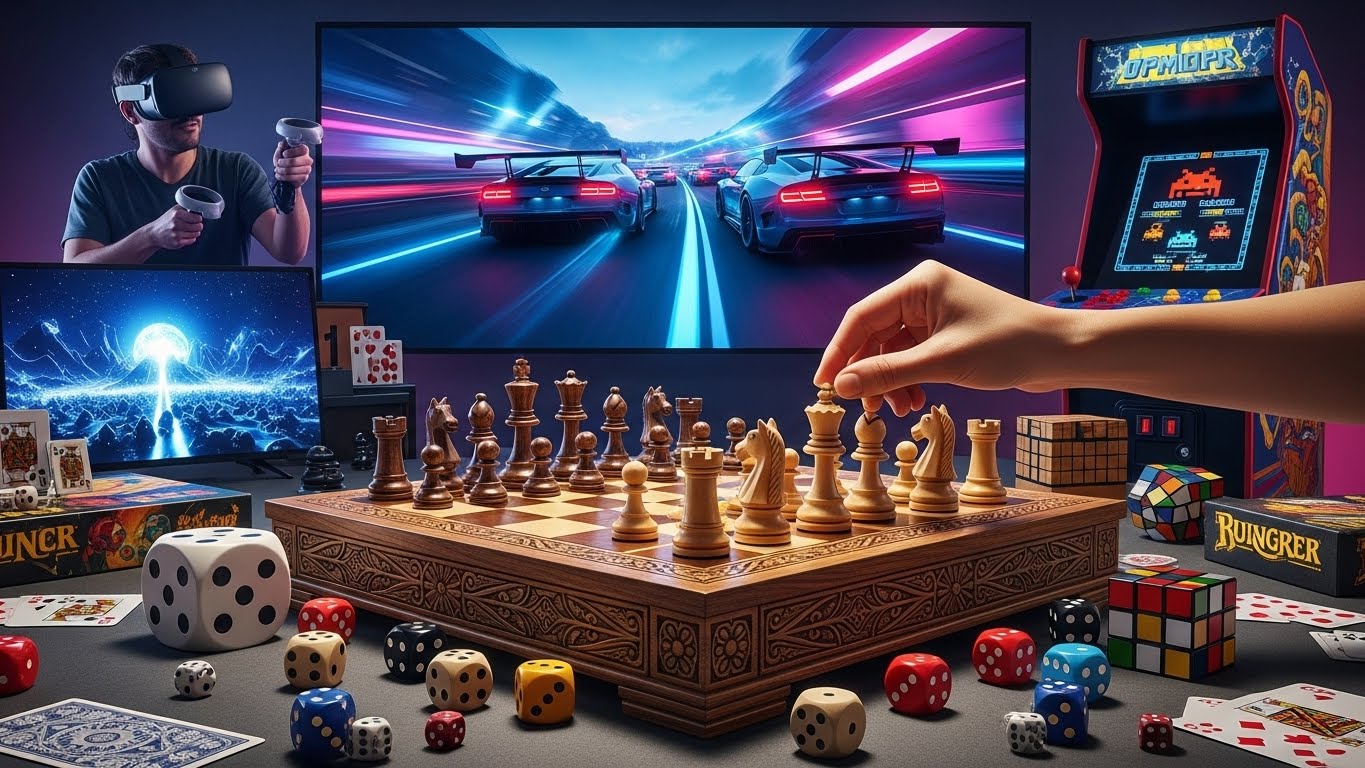
Games have been an integral part of human culture for thousands of years. From ancient board games to the rise of video games, they have always offered more than mere amusement—they teach strategy, foster social bonds, and challenge the mind. In the 21st century, gaming has become a cornerstone of modern entertainment, transforming how people spend their leisure time. Today, games are no longer confined to traditional consoles or physical spaces; they have expanded into digital, mobile, and online realms, reaching audiences of all ages across the globe.
This blog explores the world of gaming, tracing its history, examining why it captivates audiences, exploring technological advancements, analyzing its social impact, and looking ahead to the future of interactive entertainment.
The History of Gaming: From Ancient Times to Digital Revolutions
The roots of gaming can be traced back to early civilizations. Games like Senet in Egypt, Go in China, and chess in India were not just forms of entertainment; they were exercises in strategy, skill, and critical thinking. Over time, games evolved to include cards, dice, and board-based mechanics that required planning and competition.
The digital revolution brought a seismic shift. Early computer and console games introduced interactivity in ways that traditional games could not. Classics like Pong, Space Invaders, and Pac-Man laid the foundation for the gaming industry, blending technology, creativity, and entertainment into a new, immersive form.
Video Games: Immersion and Interactivity
Video games have emerged as a dominant form of entertainment, captivating millions of players worldwide. Unlike passive forms of media such as movies or television, video games allow players to interact, make decisions, and shape outcomes. This level of engagement creates a sense of agency and personal investment in the experience.
Games today span numerous genres. First-person shooters test reflexes and strategy, role-playing games immerse players in expansive narratives, strategy games challenge critical thinking, and simulation titles offer realistic recreations of life or scenarios. The diversity of gameplay ensures that everyone can find a genre that resonates with their interests and skills.
The Appeal of Gaming: Engagement, Challenge, and Reward
One of the main reasons games are so captivating is their combination of challenge and reward. Players face objectives that require skill, logic, or creativity, and achieving them provides a sense of accomplishment. Progression systems, achievements, and in-game rewards motivate players to invest time and effort.
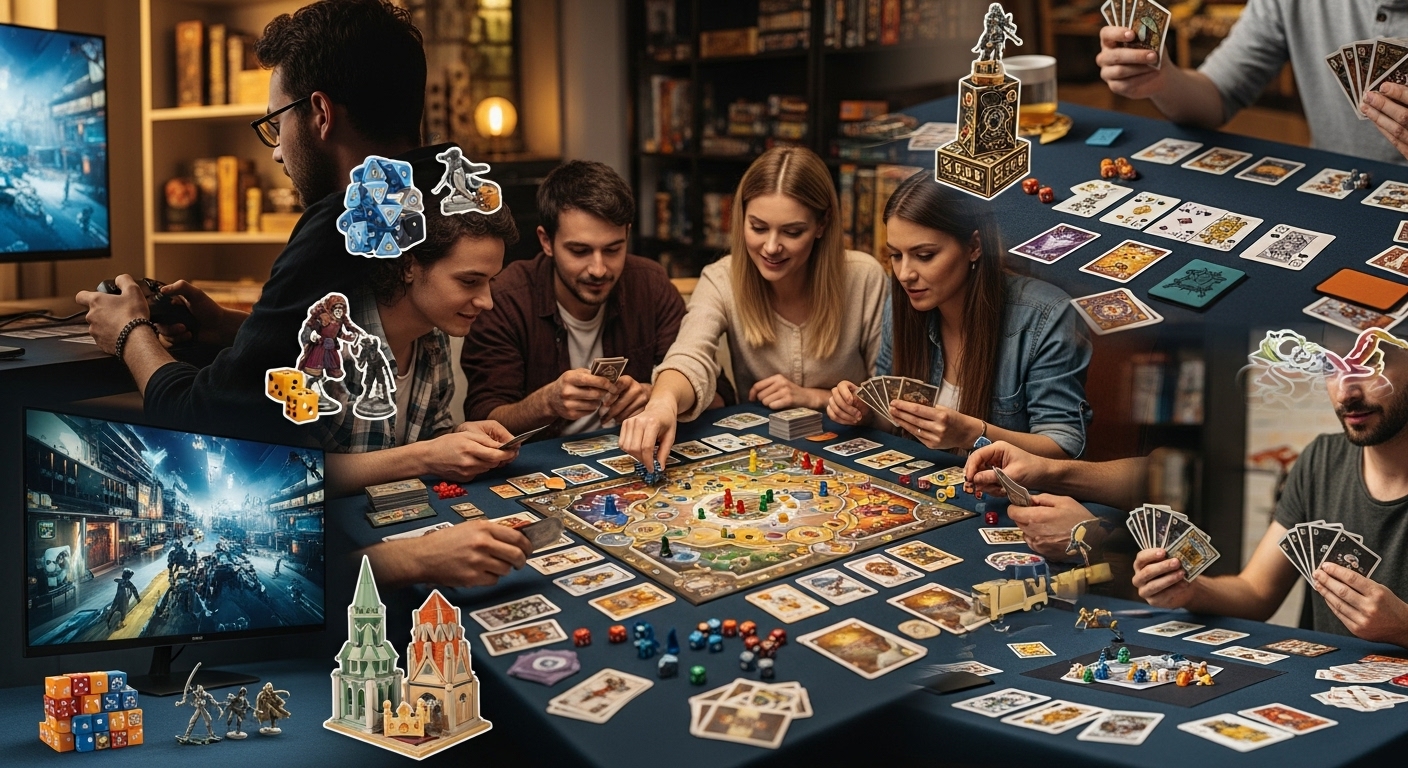
Social elements also enhance engagement. Multiplayer games allow players to compete or collaborate with friends and strangers worldwide, creating communities and fostering relationships. Whether through shared victories, strategic collaboration, or healthy competition, gaming builds connections that extend beyond the screen.
Mobile Gaming: Entertainment on the Go
Mobile technology has transformed gaming by making it accessible anywhere, anytime. Smartphones and tablets offer intuitive touch controls, high-quality graphics, and portable convenience, allowing players to enjoy games during short breaks, commutes, or leisure time.
Mobile gaming has democratized access, enabling casual players to join the gaming community without expensive hardware. Mobile platforms host a wide range of genres, from puzzle games and casual titles to deep strategy games and immersive RPGs. Social features integrated into mobile apps further enhance connectivity, letting players share achievements and participate in real-time competitions.
Esports: Competitive Gaming as Entertainment
Esports has elevated gaming from a hobby to a spectator sport. Professional players compete in high-profile tournaments for games like League of Legends, Dota 2, Fortnite, and Counter-Strike, attracting millions of viewers worldwide. Esports combines strategy, reflexes, teamwork, and mental acuity, turning gaming into a professional and highly competitive endeavor.
Esports also drives community engagement. Fans follow teams, participate in discussions, and watch live streams to learn strategies or enjoy the thrill of competition. The rise of esports has not only created professional opportunities but also influenced mainstream culture, making competitive gaming a respected entertainment medium.
Technology Driving Modern Gaming
Technology is the engine behind the gaming revolution. High-definition graphics, realistic physics, advanced AI, and immersive sound design create engaging worlds that draw players in. Virtual reality offers 360-degree immersion, while augmented reality blends digital elements with the real world, transforming everyday spaces into interactive playgrounds.
Cloud gaming is another transformative development. By streaming games from remote servers, cloud platforms eliminate the need for expensive hardware and allow seamless play on multiple devices. Artificial intelligence enhances gameplay by adapting challenges to player behavior, creating personalized and engaging experiences.
Storytelling in Games: Interactive Narratives
Gaming is unique because it combines interactivity with storytelling. Many modern games feature complex narratives, dynamic characters, and branching storylines influenced by player choices. Role-playing games, open-world adventures, and narrative-driven games allow players to actively shape the plot, creating personalized experiences that rival films and television in depth and emotional impact.
Interactive storytelling encourages critical thinking, moral decision-making, and empathy. Players become participants rather than passive observers, making each gaming experience distinct and memorable.
Social and Cultural Impact of Gaming
Gaming has a profound social and cultural influence. Online communities bring together players from different backgrounds, creating shared experiences and fostering friendships. Gaming also provides educational benefits, including problem-solving, strategic thinking, collaboration, and hand-eye coordination.
Culturally, games influence music, fashion, art, and language. Popular franchises inspire merchandise, fan art, and community events. Gaming tournaments and conventions create spaces where players can celebrate shared interests, strengthening the cultural presence of interactive entertainment.
Live Streaming and Content Creation
Live streaming platforms have changed how people consume and interact with games. Gamers can broadcast gameplay, share strategies, and build audiences that engage in real-time. Content creators have turned streaming into careers, gaining followers, sponsorships, and influence in the gaming industry.
Streaming also transforms games into a form of entertainment beyond playing. Audiences watch for skill, personality, and commentary, creating a new dimension of engagement. Content creation expands the reach of gaming, making it both a participatory and spectator experience.
Economic Significance of the Gaming Industry
Gaming is a global economic powerhouse. The industry generates billions of dollars annually through game sales, in-game purchases, mobile apps, and esports. It supports careers in development, design, marketing, customer support, event management, and content creation.
The industry also drives technological innovation. Advances in graphics, artificial intelligence, virtual reality, and cloud computing often emerge from gaming research and development. As a major sector of the digital economy, gaming contributes significantly to employment, technological progress, and cultural influence.
Future Trends in Gaming
The future of gaming promises even greater innovation and immersion. Virtual and augmented reality will create interactive, lifelike worlds. Artificial intelligence will personalize gameplay, adapt challenges, and enhance non-player character behavior. Cloud gaming will expand accessibility, allowing high-quality experiences on multiple devices without the need for expensive hardware.
Cross-platform integration, social gaming, and gamification will enhance engagement and community interaction. Games will increasingly blur the lines between entertainment, education, and social interaction, providing multi-dimensional experiences for players of all ages.
Conclusion: Gaming as a Cultural and Technological Force
Gaming has evolved from simple pastimes to a dominant force in entertainment. It blends strategy, creativity, social interaction, and technological innovation to provide immersive experiences for a global audience. From casual mobile games and competitive esports to narrative-driven adventures and virtual reality worlds, gaming appeals to diverse demographics and influences culture, technology, and society.
As gaming continues to innovate and expand, it will remain a key part of modern entertainment, shaping the way people play, connect, and experience digital worlds. Gaming is not just a hobby; it is a cultural phenomenon, a technological frontier, and a reflection of the evolving nature of interactive entertainment.