Introduction: Gaming as a Cultural Phenomenon
Gaming has evolved far beyond a simple pastime; it is now a global cultural phenomenon that connects millions of people across all age groups and continents. From traditional board games to immersive virtual worlds, games offer entertainment, challenge, and social interaction. The gaming industry has grown into a multi-billion-dollar sector, encompassing console games, PC games, mobile games, and emerging technologies like virtual and augmented reality. Games influence not only how we spend leisure time but also how we learn, communicate, and even develop problem-solving skills. Understanding the role of games in modern society provides insight into their impact on culture, technology, and creativity.
The Evolution of Games: From Ancient Pastimes to Digital Adventures
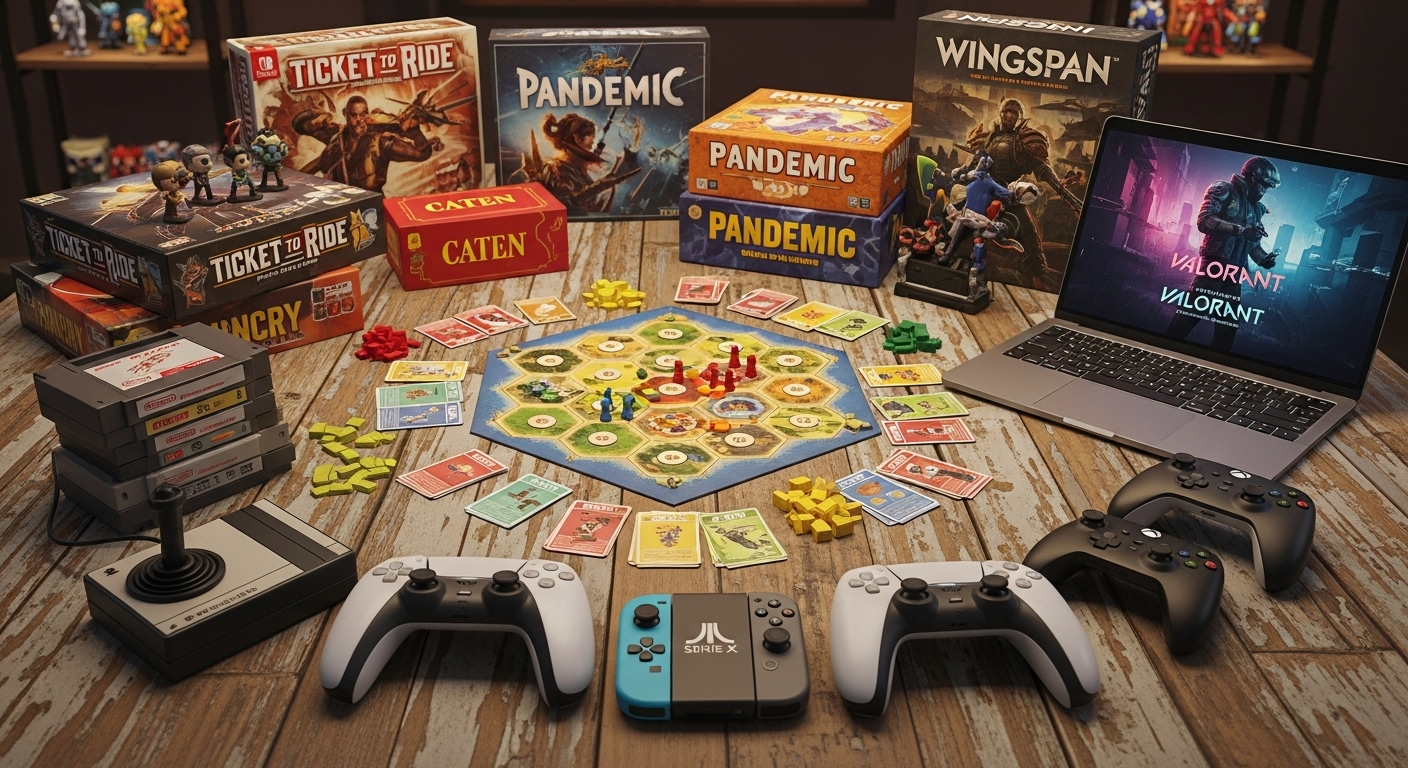
Games have been part of human civilization for thousands of years. Ancient societies enjoyed strategy games like chess and Go, while children played simple outdoor games for entertainment and social learning. The 20th century introduced video games, beginning with arcade classics such as Pong and Pac-Man. Home consoles like the Nintendo Entertainment System and PlayStation revolutionized gaming by making it accessible in living rooms around the world. The digital age brought online multiplayer games, mobile gaming, and esports, expanding the reach and complexity of gaming experiences. Today, games are not just entertainment; they are platforms for social interaction, skill development, and creative expression.
The Technology Behind Modern Games
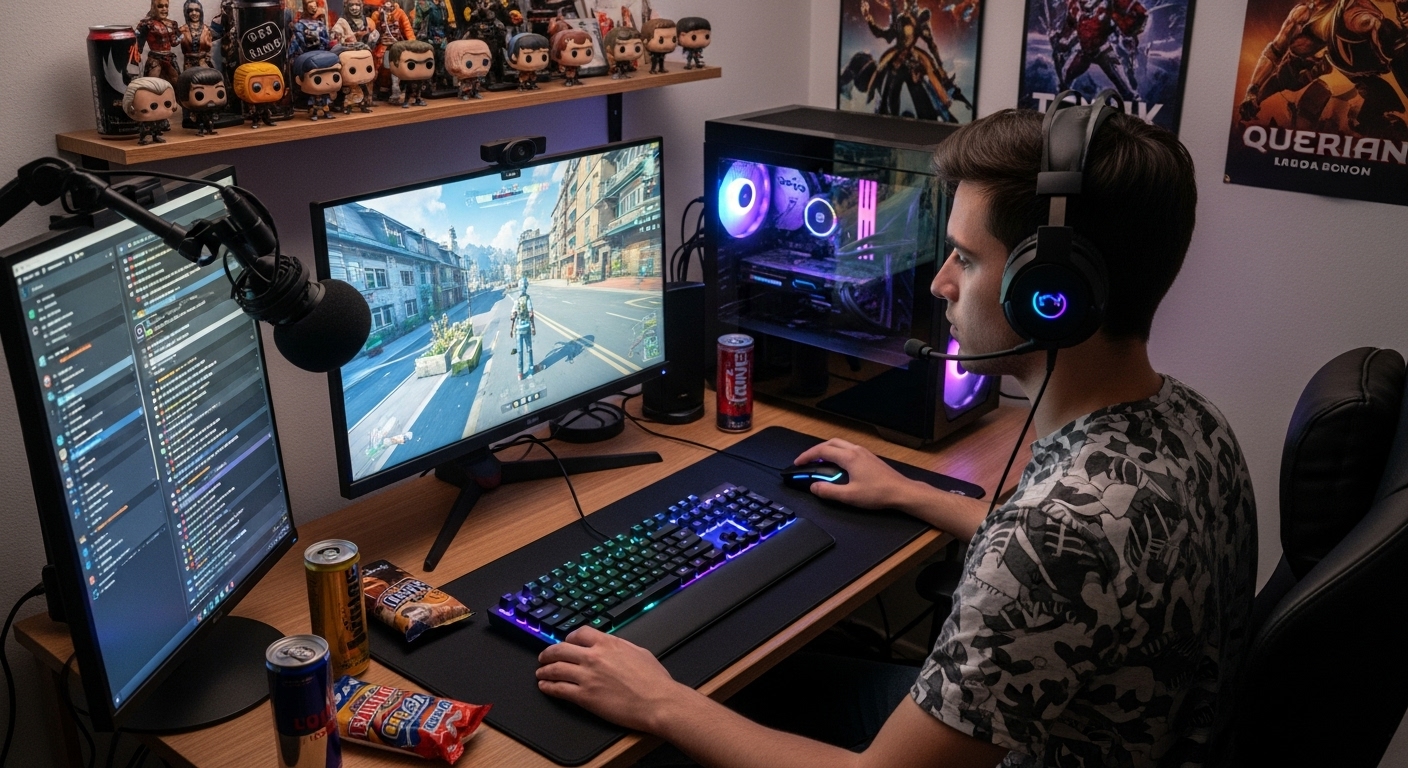
Modern games rely heavily on advanced technology to create immersive and interactive experiences. High-definition graphics, realistic physics engines, and sophisticated artificial intelligence make virtual worlds more lifelike than ever. Game engines like Unity and Unreal Engine allow developers to create complex environments and characters. Online connectivity enables multiplayer experiences and global competitions, while cloud gaming allows players to stream games without powerful hardware. The technological evolution of gaming not only improves entertainment quality but also drives innovation in computing, graphics, and artificial intelligence.
Genres of Games: Catering to Every Interest
The gaming industry is diverse, with genres designed to appeal to a wide range of audiences. Action games focus on fast-paced gameplay and reflexes, while role-playing games immerse players in complex narratives and character development. Strategy games challenge players to plan, think critically, and manage resources. Sports and racing games simulate real-life competition, and casual games offer simple, engaging experiences for short play sessions. Each genre serves different purposes, from relaxation and entertainment to skill-building and social engagement. The variety ensures that gaming remains accessible and enjoyable for people with different interests and skill levels.
Mobile Gaming: Gaming in the Palm of Your Hand
Mobile gaming has transformed the way people play games by making them accessible anywhere, anytime. Smartphones and tablets provide platforms for puzzle games, strategy games, and even complex role-playing experiences. The convenience of mobile gaming, combined with app stores and cloud services, has brought millions of casual gamers into the fold. Mobile games also leverage social features, allowing players to compete, share achievements, and interact with friends and communities. This accessibility has contributed to the exponential growth of the gaming industry and has made gaming a mainstream form of entertainment.
The Rise of Multiplayer and Online Gaming
Multiplayer and online games have revolutionized gaming by creating social and competitive environments. Online platforms allow players from different parts of the world to compete or collaborate in real-time. Massive multiplayer online role-playing games (MMORPGs) like World of Warcraft provide persistent virtual worlds where players can interact, form alliances, and embark on quests. Competitive online games, including MOBAs and battle royale games, host tournaments with professional players and global audiences. Multiplayer experiences enhance engagement, foster community, and transform gaming from an individual activity into a shared, interactive cultural experience.
Esports: Gaming as a Professional Sport
Esports has emerged as a legitimate form of professional competition, attracting millions of fans worldwide. Players train rigorously, often with coaching, analytics, and strategy development similar to traditional sports. Games like League of Legends, Dota 2, and Counter-Strike host international tournaments with prize pools reaching millions of dollars. Esports has its own culture, media coverage, sponsorships, and fan base. The rise of esports demonstrates that gaming is not only entertainment but also a career path and a spectator sport, bridging the gap between virtual competition and mainstream recognition.
The Social Impact of Gaming
Games have a profound social impact, connecting people across cultures and communities. Multiplayer games and online platforms allow players to form friendships, collaborate on tasks, and compete in friendly rivalries. Social games provide a sense of community and belonging, especially in immersive virtual worlds. Gaming also encourages teamwork, communication, and strategic thinking, skills that extend beyond digital environments into real-world applications. Beyond interaction, games often serve as cultural touchstones, influencing music, movies, and even fashion trends.
Educational Benefits of Games
Games are not only entertaining but also educational. Strategy and simulation games encourage critical thinking, resource management, and problem-solving. Puzzle games improve cognitive skills and memory. Educational games provide interactive ways to learn subjects like mathematics, history, and languages. Virtual reality games create immersive learning experiences that enhance retention and engagement. Gamification, the integration of game mechanics into non-gaming environments, is also used in classrooms and workplaces to motivate learning and productivity. Games, therefore, serve as both recreational and instructional tools, bridging fun and education.
Virtual Reality and Augmented Reality in Gaming
Virtual reality (VR) and augmented reality (AR) have transformed the gaming landscape by offering immersive experiences. VR creates fully virtual worlds that engage players physically and mentally, providing unparalleled immersion in games. AR overlays digital elements onto the real world, allowing players to interact with their surroundings in innovative ways. These technologies have applications beyond entertainment, including education, therapy, and professional training. As VR and AR hardware becomes more affordable and software more advanced, these immersive experiences are likely to become mainstream, enhancing how games are played and experienced.
The Economic Impact of the Gaming Industry
The gaming industry is one of the most lucrative sectors in entertainment, generating billions of dollars annually. Revenue comes from game sales, in-game purchases, subscriptions, esports, and merchandise. Mobile games, free-to-play models, and downloadable content have created diverse monetization strategies. The economic impact extends to job creation, technology development, and global trade. Countries that embrace the gaming industry benefit from innovation hubs, research opportunities, and a growing creative economy. The financial significance of gaming reflects its influence not only as entertainment but also as an economic powerhouse.
The Challenges of Gaming
Despite its benefits, gaming presents challenges that need attention. Excessive gaming can lead to addiction, social isolation, and negative impacts on mental and physical health. Inappropriate content and online harassment in multiplayer games are concerns that developers and communities must address. Cybersecurity is critical to protect players’ personal and financial information. Responsible gaming initiatives, parental controls, and educational programs help mitigate these risks while ensuring that gaming remains a safe and enjoyable activity.
The Future of Gaming: Innovation and Integration
The future of gaming promises continued innovation, fueled by advances in technology, artificial intelligence, and connectivity. Cloud gaming will allow instant access to high-quality games without expensive hardware. AI-driven games will offer adaptive challenges and personalized experiences. Virtual and augmented reality will provide immersive and interactive gameplay. The integration of gaming with social media, esports, and educational platforms will expand the role of games in society. The industry is moving toward experiences that are more interactive, inclusive, and culturally impactful than ever before.
Conclusion: Games as a Force for Entertainment and Growth
Gaming has evolved from a simple form of entertainment into a cultural, educational, and economic force. With advances in technology, immersive experiences, and global connectivity, games influence how people interact, learn, and compete. The rise of multiplayer gaming, esports, and mobile platforms demonstrates the versatility and reach of games in modern society. While challenges such as addiction and online safety remain, the positive impact of gaming on social interaction, education, and creativity is undeniable. As technology continues to evolve, games will remain a central part of entertainment, shaping culture, connecting communities, and pushing the boundaries of imagination.