
Introduction: Gaming’s Place in Modern Culture
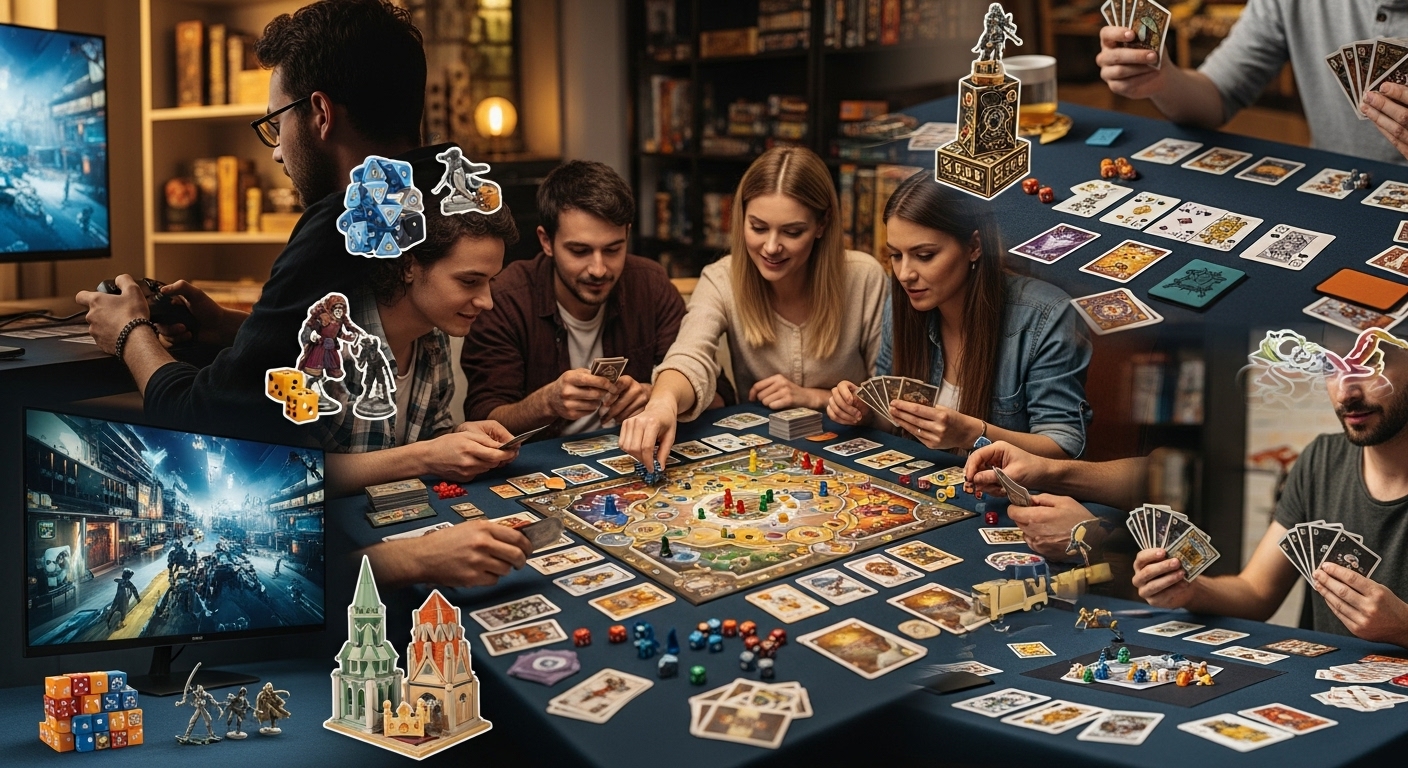
Video games have become an integral part of modern culture, shaping the way we entertain ourselves, connect with others, and even view the world. From the early days of pixelated graphics to today’s hyper-realistic environments, the evolution of video games has been nothing short of spectacular. In this blog post, we’ll explore how video games have transformed from simple pastimes to complex, immersive experiences that resonate with people across all walks of life.
The Humble Beginnings: The Birth of Gaming
In the 1970s, video games were a novelty—simple, arcade-style entertainment that captured the imaginations of a small group of players. Games like Pong, Space Invaders, and Asteroids laid the foundation for what would become a multi-billion-dollar industry. These early games were defined by their simplicity, with minimalistic graphics and easy-to-understand mechanics. The primary goal was clear: score as many points as possible. But despite their simplicity, these games created an entirely new form of entertainment that would grow exponentially over the next several decades.
As video game technology progressed, the idea of gaming began to move out of arcades and into the home, thanks to consoles like the Atari 2600 and the Nintendo Entertainment System (NES). These consoles introduced new audiences to the world of gaming and helped turn video games into a staple of family entertainment.
The 3D Revolution: Immersing Players in New Worlds
The 1990s brought a seismic shift in gaming technology with the introduction of 3D graphics. No longer were games confined to two-dimensional spaces. Consoles like the Sony PlayStation and Nintendo 64 allowed for the creation of expansive, three-dimensional environments that players could explore in a more natural, free-flowing way. Titles such as Super Mario 64 and The Legend of Zelda: Ocarina of Time revolutionized how games were played, offering vast, open worlds where players could run, jump, and explore at their own pace.
This era marked the beginning of open-world design, where the emphasis was no longer just on completing levels but on exploration, discovery, and interaction with dynamic environments. This new approach not only changed gameplay but also set the stage for more narrative-driven experiences. Games like Final Fantasy VII and Metal Gear Solid demonstrated that video games could also tell complex, emotionally engaging stories.
Online Multiplayer: Changing the Social Landscape
In the early 2000s, online multiplayer gaming began to take off, adding a whole new dimension to the gaming experience. Players no longer had to limit themselves to local play with friends or family. With the rise of the internet, games like World of Warcraft, Halo 2, and Counter-Strike allowed people from around the world to connect and compete in real-time. This new form of connectivity introduced a social aspect to gaming that forever changed the landscape of interactive entertainment.
Online multiplayer gaming helped create a global community of gamers who could share experiences, strategies, and, in many cases, friendships. The rise of competitive esports further amplified this, transforming casual gaming into a spectator sport with global tournaments and professional players. Today, esports is a billion-dollar industry, with millions of fans tuning in to watch their favorite teams and players compete at the highest level.
The Rise of Mobile Gaming: Play Anywhere, Anytime
With the advent of smartphones, gaming reached a new level of accessibility. Mobile games made it possible for people to play anywhere and anytime, transforming gaming from a dedicated activity into something that could be enjoyed during spare moments throughout the day. Games like Angry Birds, Candy Crush Saga, and Clash of Clans became cultural phenomena, attracting casual players who might not have considered themselves gamers before.
Mobile gaming has evolved significantly since its early days, with some titles now offering experiences that rival traditional console games. For instance, Genshin Impact and PUBG Mobile bring expansive, high-quality graphics and deep gameplay to mobile devices, offering more than just quick, casual sessions. Mobile gaming’s rapid growth has democratized gaming, making it accessible to a wider audience and proving that you don’t need a console or high-end PC to enjoy great gaming experiences.
Indie Games: A Burst of Creativity
While large game studios have historically dominated the industry, indie games have increasingly carved out a niche of their own. Thanks to platforms like Steam and itch.io, independent developers now have the tools and resources to create and distribute their games to a global audience. This has resulted in a wave of creative, innovative games that often push the boundaries of traditional gaming design.
Indie hits such as Undertale, Celeste, and Hollow Knight have gained significant critical acclaim for their originality, storytelling, and gameplay mechanics. These titles often focus on creativity over big-budget graphics, exploring unique themes and offering new gameplay experiences that larger studios may overlook. The indie gaming scene has become a vibrant hub for experimentation, and it’s clear that the creativity coming from independent developers has revitalized the gaming industry in many ways.
Virtual Reality: Entering New Dimensions
Virtual Reality (VR) is another frontier that has the potential to reshape gaming as we know it. With VR headsets like the Oculus Rift and PlayStation VR, players can immerse themselves fully in digital worlds, experiencing games from a first-person perspective that feels more real than ever before. Games like Beat Saber and Half-Life: Alyx have shown the immense potential of VR, offering experiences that let players physically interact with the virtual environments in ways that traditional gaming cannot match.
While VR is still in its early stages, it’s clear that the technology will continue to improve, with more developers experimenting with VR’s possibilities. As VR headsets become more affordable and accessible, the door will be open to new kinds of immersive experiences that will allow gamers to truly “step inside” the worlds they play in.
Gaming’s Impact on Society and Culture
Beyond entertainment, gaming has also become an influential force in society and culture. Video games now tackle important social issues, explore complex emotional narratives, and even provide a platform for creative expression. Games like The Last of Us and Hellblade: Senua’s Sacrifice have dealt with topics such as grief, trauma, and mental illness, using the interactive nature of gaming to create deeply emotional experiences for players.
Gaming also fosters community, providing spaces where players can connect with others who share their passion. Whether through multiplayer games, streaming platforms like Twitch, or fan communities, gaming has become a social experience that extends beyond the game itself. It’s a medium where people from all over the world can share experiences, collaborate, and build friendships—something that has only become more prominent with the rise of online gaming.
Looking Forward: The Future of Gaming
The future of gaming holds endless possibilities. With emerging technologies like augmented reality (AR) and artificial intelligence (AI), games are becoming more dynamic, responsive, and personalized. AI could lead to smarter NPCs, more adaptive storylines, and ever-changing game worlds. Meanwhile, AR could blur the line between the digital and physical worlds, offering new ways to interact with games in the real world.
Cloud gaming is also on the rise, making it possible to play high-quality games without the need for expensive hardware. Services like Google Stadia and Xbox Cloud Gaming allow players to stream games directly to their devices, making gaming more accessible and convenient than ever before.
Conclusion: A Never-Ending Adventure
The world of gaming is constantly evolving, with each new generation of technology bringing with it fresh possibilities and experiences. From humble beginnings in arcades to the vast, immersive worlds of today, gaming has become a central part of our cultural fabric. It connects people, pushes the boundaries of storytelling and art, and offers a unique form of entertainment that will continue to captivate audiences for generations to come. Whether you’re a casual player or a dedicated gamer, there’s always something new to discover in the ever-expanding universe of video games. The adventure is far from over, and the best is yet to come.